The Life Cycle (Grade 12 NSC Matric Life Orientation): Revision Notes
📚Revision Notes
The Life Cycle
Understanding the human life cycle
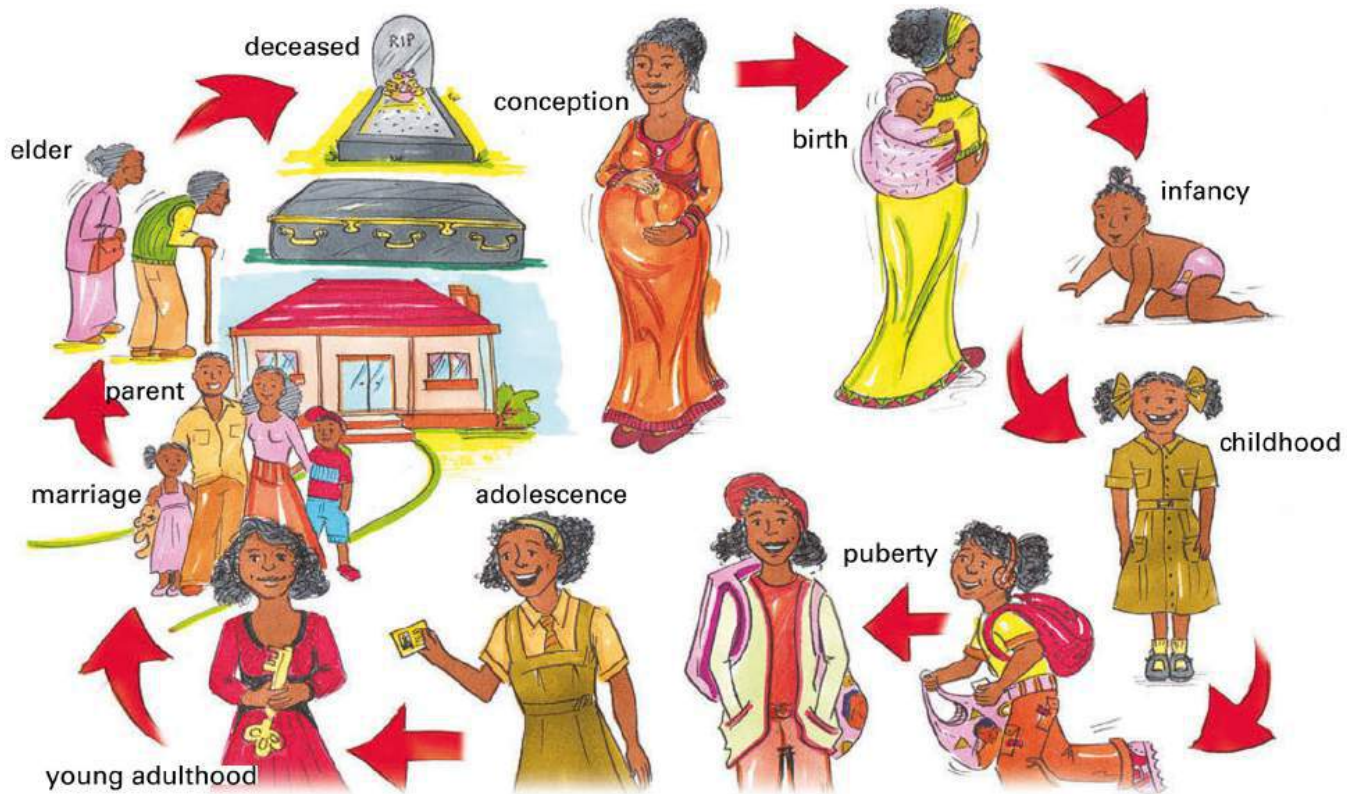
The life cycle refers to the natural progression of growth and development that all humans experience throughout their lives. It represents the journey from conception through to death, with each stage bringing unique characteristics, challenges, and opportunities for growth.
The human life cycle includes several distinct stages that follow one another in a predictable sequence:
- Conception - when life begins
- Birth - entry into the world
- Infancy - the first year of life
- Childhood - early learning and development years
- Puberty - physical changes preparing the body for reproduction
- Adolescence - teenage years and identity formation
- Young adulthood - independence and career building
- Marriage and parenthood - forming families and raising children
- Elder years - wisdom and reflexion stage
- Death - the end of life
Note
The life cycle is circular in nature, meaning that as one generation grows older, new generations are born, creating a continuous cycle of human development and renewal.
Traditional practices and rites of passage
Many cultures around the world use special ceremonies called rites of passage to mark important transitions between life stages. These traditional practices serve several crucial functions in society.
Note
Definition: Rites of passage are rituals, ceremonies, or events that symbolise important stages in a person's life. They help people move smoothly from one phase of life to the next.
Purpose of rites of passage
Rites of passage are not just celebrations - they serve important psychological and social functions:
Important
Key Functions of Rites of Passage:
- Ease transitions: They help people adapt to the changes happening in their lives
- Establish new social status: They formally recognise a person's new role in society
- Community acceptance: They ensure the person is accepted in their new position by the wider community
- Teach values: They pass on cultural knowledge, expectations, and responsibilities
Without these ceremonies, major life transitions like moving from childhood to adulthood would be much more difficult to navigate.
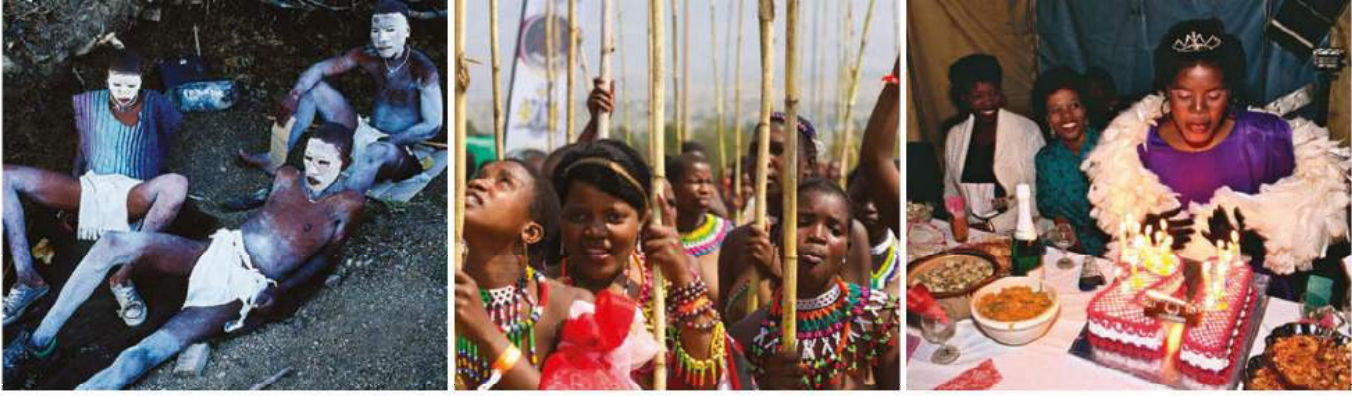
Important life stage transitions
Different cultures mark various stages of the life cycle with special ceremonies. Some of the most common transitions that are celebrated include:
- Birth - welcoming a new person into the world
- First year at school - beginning formal education
- Puberty - physical changes preparing for adulthood
- 18 years old - reaching voting age, getting a driver's licence, leaving school
- 21 years old - traditional age of full adulthood
- Graduation/profession/career - entering the working world
- Marriage and starting a family - creating new households
- Becoming grandparents - entering elder status
- Death - transitioning from life
Each transition comes with new responsibilities, privileges, and social expectations that the community helps the individual understand through these ceremonies.
Cultural examples of rites of passage
Birth ceremonies
Example
Traditional African Birth Practices
Traditional African birth practices involve special rituals when a woman goes into labour. Charms and protective offerings are made to ancestors, and both mother and child are cleansed with herbs to mark their entrance into a new life phase. The mother gains higher status in her community as she becomes recognised for her wisdom and authority.
Example
Islamic Birth Traditions
Islamic birth traditions include whispering the adhan (call to prayer) in the baby's right ear and the iqamah (command to rise and worship) in the left ear. This ensures the first words the baby hears are about worship. The Aqiqa ceremony takes place seven days after birth, where the child's name is announced to family and friends.
Coming of age ceremonies
Example
Traditional African Male Initiation (isiXhosa Culture)
Traditional African male initiation in isiXhosa culture includes separation from society, circumcision, teachings about adult responsibilities, and cultural knowledge about courtship and marriage. The young men live in temporary huts and undergo ritual sacrifice and isolation before being welcomed back as adult members of the community.
Example
Jewish Bar/Bat Mitzvah
Jewish bar/bat mitzvah ceremonies mark the transition from childhood to religious adulthood. At age 13 for boys and 12 for girls, young people take on the religious duties and responsibilities of Jewish adults. They demonstrate their readiness by reading from the Torah and leading religious services.

Example
Traditional African Female Initiation
Traditional African female initiation includes communal ceremonies teaching appropriate behaviour, wifely duties, and knowledge about married life. Girls receive new clothes and names to show their adult status, and their hair may be shaved as part of the transformation.
Marriage ceremonies
Marriage represents the joining of two people and often two families, creating new household units and social relationships.
Example
Traditional Sesotho Wedding (Lenyalo)
Traditional Sesotho wedding (lenyalo) involves arrangements between families, feasting, sheep slaughter, joyous singing and dancing. When the bride moves to her husband's home, a pot of beer is placed in the house as a sign that the new household is ready.
Example
Western Wedding Ceremonies
Western wedding ceremonies typically take place in churches where couples exchange vows saying "I do". The bride traditionally wears white and is accompanied by bridesmaids and flower girls. Families traditionally share the costs of the celebration, followed by food, drinks, and dancing.
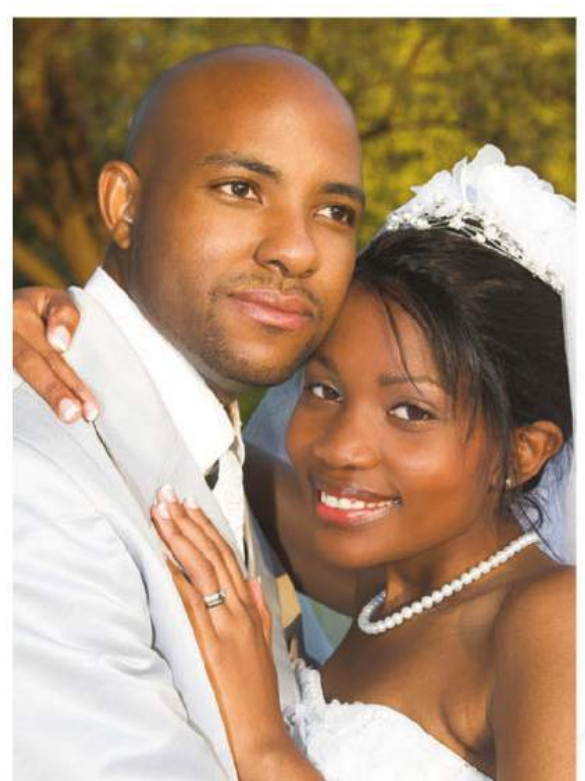
Note
Many South African families today incorporate both traditional and Western wedding elements, honouring their cultural heritage while embracing modern practices.
Death ceremonies
Example
Traditional African Death Rites
Traditional African death rites view death as becoming an initiate of the ancestors (badimo or amadlozi). The deceased person becomes a spirit who may guide earthly matters and protect the family. Funerals begin the process of initiation into the spirit world, with praises sung and requests made for the deceased to remember those left behind.
Example
Islamic Death Practices
Islamic death practices involve washing and covering the body, burial as soon as possible facing Mecca, and memorial observances at various intervals after the burial.
Benefits of understanding life cycles and rites of passage
Understanding these concepts helps us appreciate:
- How different cultures approach life transitions
- The importance of community support during major changes
- Why traditions and ceremonies matter to people
- How societies pass on values and knowledge to new generations
- The universal human need for ritual and celebration
Summary
Key Points to Remember:
-
The life cycle represents the natural progression of human development from conception to death, with each stage bringing unique characteristics and challenges
-
Rites of passage are traditional ceremonies that help people transition smoothly between life stages while gaining community acceptance and new social status
-
These rituals serve important functions: they ease transitions, establish new roles, ensure community acceptance, and teach cultural values and expectations
-
Different cultures have varied approaches to marking life transitions, but most societies recognise similar key stages like birth, coming of age, marriage, and death
-
Understanding rites of passage helps us appreciate cultural diversity and the universal human need for ritual, community support, and meaningful transitions through life stages