Communication for Positive Relationships (Grade 12 NSC Matric Life Orientation): Revision Notes
📚Revision Notes
The Importance of Communication
Communication forms the foundation of all meaningful relationships in our lives. Whether you're starting at a new school, university, or workplace, knowing how to connect with others through effective communication is essential for building and maintaining positive relationships that will support you throughout your journey.
Why communication matters for relationships
Good communication helps us understand others while sharing our own thoughts, feelings, and beliefs. These skills become particularly important when you transition to new environments where you'll meet different people and need to form new connections.
Maintaining contact with existing friends and family remains equally important. Even when life takes you in different directions, keeping communication channels open through social media, text messages, and regular visits helps preserve valuable relationships with people who know you best.
Note
Strong communication skills become especially valuable during major life transitions like starting university or beginning a new job, when building new relationships while maintaining old ones becomes crucial for your emotional well-being and success.
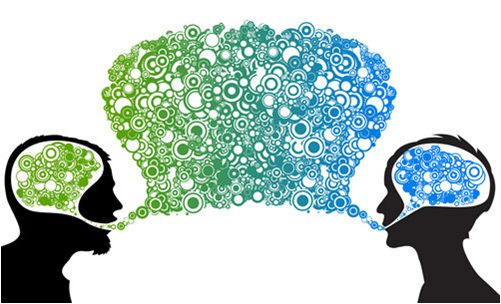
Building positive relationships through communication
Starting new relationships
When you find yourself in unfamiliar surroundings, taking the first step to connect with others can feel challenging. However, most people experience similar feelings of shyness or uncertainty. Here are effective approaches to break the ice and begin forming friendships:
- Learn and use people's names: Make an effort to remember names when you meet new people. This simple act makes others feel valued and special
- Show genuine interest: Ask people about their interests, work, or background. Most individuals enjoy discussing topics they care about
- Share appropriately about yourself: Be willing to open up without dominating conversations or appearing boastful. People connect better when they learn something personal about you
- Keep a friendship record: Consider maintaining notes about people you meet, including their names, interests, and where they work. This helps you remember important details for future interactions
Important
Remember that most people feel the same nervousness when meeting new people. Taking the initiative to introduce yourself often relieves everyone's anxiety and opens the door to meaningful connections.
Developing empathy in communication
Empathy means putting yourself in another person's position to understand their feelings and experiences. When you show empathy, you demonstrate that you can relate to what someone is going through, which strengthens your connection with them.
Example
Practical Example: Empathetic Responses
Here are effective ways to show empathy through your words:
- "I understand what you're going through..."
- "I can relate to how you're feeling..."
- "I'm here to support you in this situation..."
- "Something similar happened to me, so I know how you feel..."
- "Whatever happens, I'm here for you..."
This approach works in all settings - whether you're supporting a friend through difficulties or showing understanding to colleagues at work. The key is genuinely trying to see situations from the other person's perspective before making judgements.
Active listening skills
Effective listening involves much more than simply hearing words. Active listening means giving your complete attention to the speaker and demonstrating genuine interest in what they're sharing.
Example
Demonstration: Active Listening Techniques
Give full attention: Face the person speaking and avoid distractions like checking your phone
Use body language: Lean forwards slightly and nod to show you're engaged
Ask clarifying questions: If you don't understand something, ask for more information rather than pretending to follow along
Reflect back what you hear: Use phrases like "What I'm hearing is..." or "It sounds like you're feeling..." to confirm your understanding
Note
Building trust through listening: Remember that when someone shares personal information with you, they're showing trust. Respect this by keeping confidential matters private and avoiding gossip about what others have told you.
Expressing your own thoughts and feelings
Healthy relationships require honest communication about your own experiences, beliefs, and feelings. Sharing your authentic self helps others understand and connect with you on a deeper level.
Guidelines for sharing your thoughts:
- Be specific about feelings: Instead of saying "I'm upset," try "I feel disappointed because..." This clarity helps prevent misunderstandings
- Respect different viewpoints: Listen to others' perspectives before sharing your own opinions
- Use "I" statements: Begin with phrases like "I feel...", "I believe...", or "My experience has been..." rather than making general statements about others
- Stay true to your values: While being open to different perspectives, don't compromise your core beliefs to fit in with others
Important
Constitutional rights in communication: Everyone has the right to their own opinions and beliefs. Express yourself freely while respecting that others may hold different views. This balance between self-expression and respect for others forms the foundation of healthy communication.
Key communication strategies for relationship success
Make conversations enjoyable
Note
- Use appropriate humour to help people relax, but avoid jokes that might offend others or target specific groups
- Stay informed about current events and topics people discuss, but be honest when you don't know something rather than pretending
- Find common interests that you can discuss enthusiastically with others
Show respect and understanding
- Pay attention to cultural differences and be sensitive to various backgrounds
- Avoid making assumptions about people based on first impressions
- Give others space to express themselves without interrupting
Maintain ongoing connections
Note
Sustaining relationships requires consistent effort:
- Regular check-ins with friends and family show you care about the relationships
- Use various communication methods - face-to-face conversations, phone calls, messages, and social media
- Be reliable in your communication commitments
Summary
Key Points to Remember:
- Communication builds bridges: Effective communication helps you form connections with new people while maintaining existing relationships
- Empathy strengthens bonds: Understanding others' perspectives and showing you care about their experiences creates deeper relationships
- Active listening matters: Giving your full attention and asking thoughtful questions shows respect and genuine interest
- Authentic expression is important: Sharing your true thoughts and feelings helps others understand and connect with the real you
- Practice makes perfect: Communication skills improve with regular use, so look for opportunities to connect with others daily