Conflict Resolution Skills (Grade 12 NSC Matric Life Orientation): Revision Notes
📚Revision Notes
Conflict Resolution Skills
Understanding conflict
Conflict is a completely normal part of life. It occurs when people have disagreements, opposing viewpoints, or struggles for power. Rather than seeing conflict as something negative, it's important to understand that conflict can actually be helpful when handled properly. The key is learning how to resolve conflicts effectively before they escalate into bigger problems.
Note
Understanding the different types of conflict is the first step towards developing effective resolution strategies. Each type requires slightly different approaches and skills.
There are two main types of conflict that you'll encounter:
Interpersonal conflict
This type of conflict happens between two or more people. For example, when your best friend accuses you of gossiping about them, but you deny it because it's not true, yet your friend doesn't believe you. This creates tension and disagreement between you both.
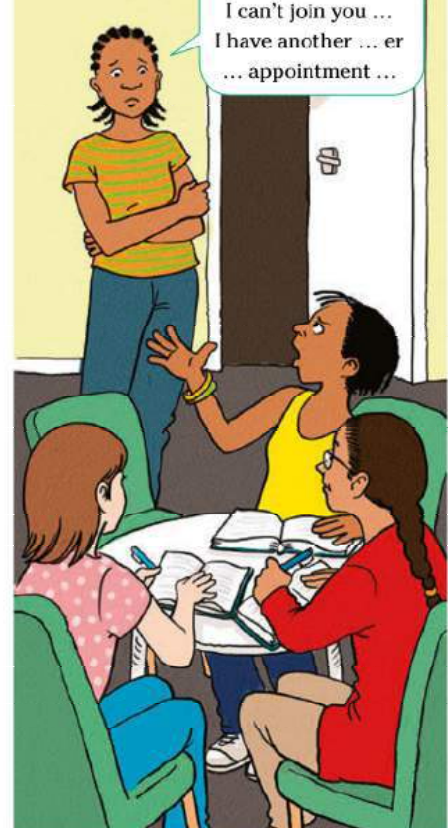
Common causes of interpersonal conflict include misunderstandings, different opinions, jealousy, or competing interests.
Intrapersonal conflict
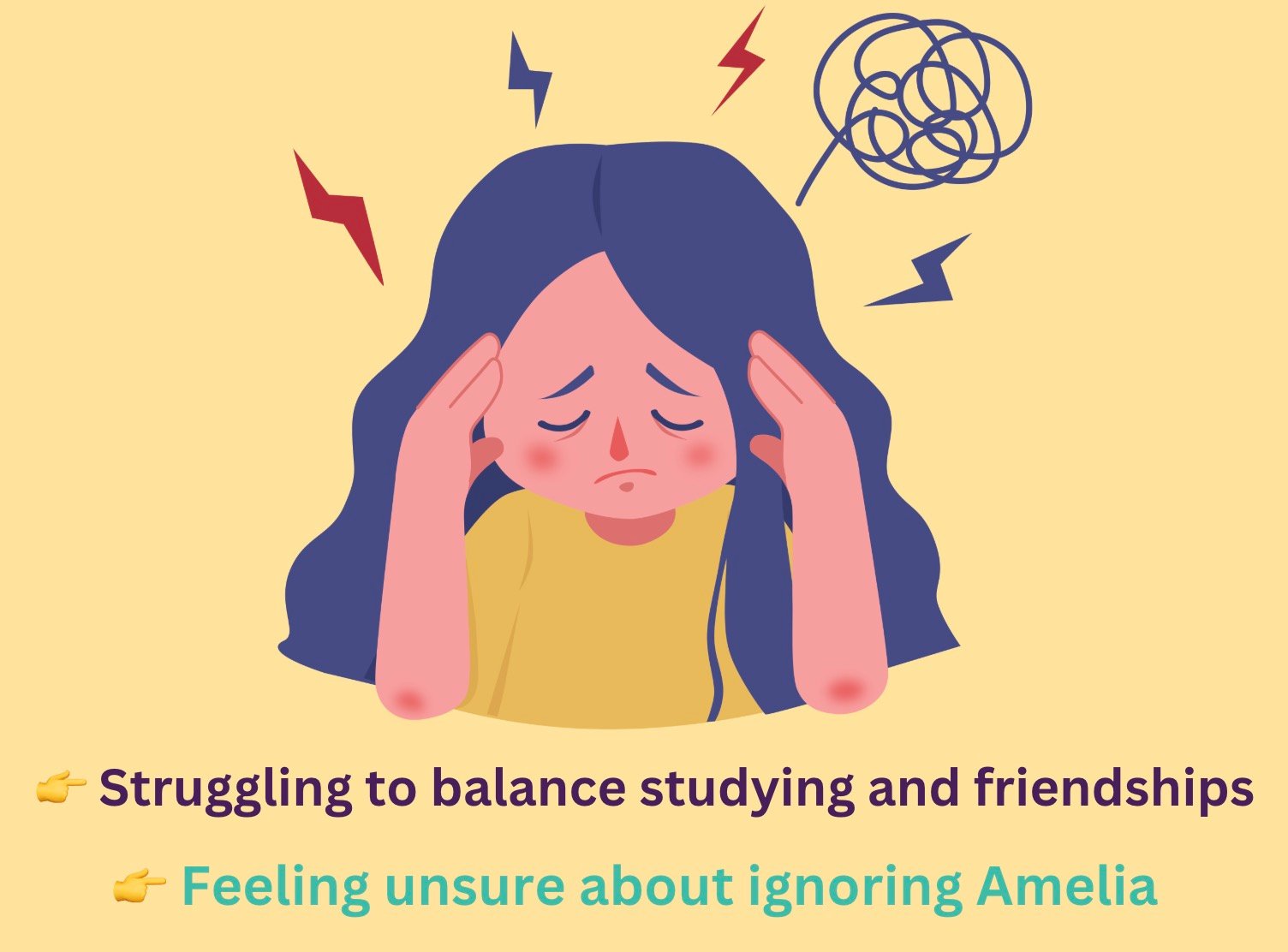
This type of conflict happens within yourself - it's basically when your mind is wrestling with different thoughts or desires. For example, you might want to do well on a test and study the whole weekend, but another part of you wants to visit a friend instead. This internal struggle can become so overwhelming that you end up doing nothing at all.
Important
Sometimes people become so disturbed by these inner conflicts that they struggle to make any decisions or take action. Recognising intrapersonal conflict early is crucial for maintaining mental well-being.
Essential conflict resolution skills
Learning to resolve conflicts properly is crucial for maintaining healthy relationships and personal well-being. Here are six essential skills that will help you handle both interpersonal and intrapersonal conflicts:
Skill 1: Map the conflict
Before you can solve any conflict, you need to understand exactly what's happening. Create a clear picture by writing down or drawing:
- What the conflict is actually about
- Who did what and when it happened
- How you and others feel about the situation
- What the ideal outcome or resolution would look like
Note
This process helps you think calmly about the situation rather than just reacting emotionally. When you can clearly see all aspects of the conflict, it becomes much easier to find a solution.
Skill 2: Use 'I' sentences
'I' sentences are a powerful tool for communicating during conflicts without making the other person feel attacked. Instead of saying "you" and directly accusing someone, you explain how the situation affects you personally.
The 'I' Sentence Formula:
- I feel ... (your honest emotion)
- When ... (specific situation)
- Because ... (logical reason)
- And I would like ... (desired outcome)
Example
Worked Example: Using 'I' Sentences
Situation: A group member didn't complete their part of a project, and you're worried about losing marks.
Using the 'I' sentence formula:
- "I feel disappointed and worried"
- "When every group member does not hand in their part for our task"
- "Because it lets the group down and we will lose marks"
- "And I would like this never to happen again, and an attempt made to explain to the teacher so that we get an extension"
This approach focuses on solving the problem rather than blaming the person.
Skill 3: Apply assertive skills
Being assertive means expressing your needs clearly and politely, while still being firm. It's the healthy middle ground between being aggressive (fighting) and being passive (giving in completely).
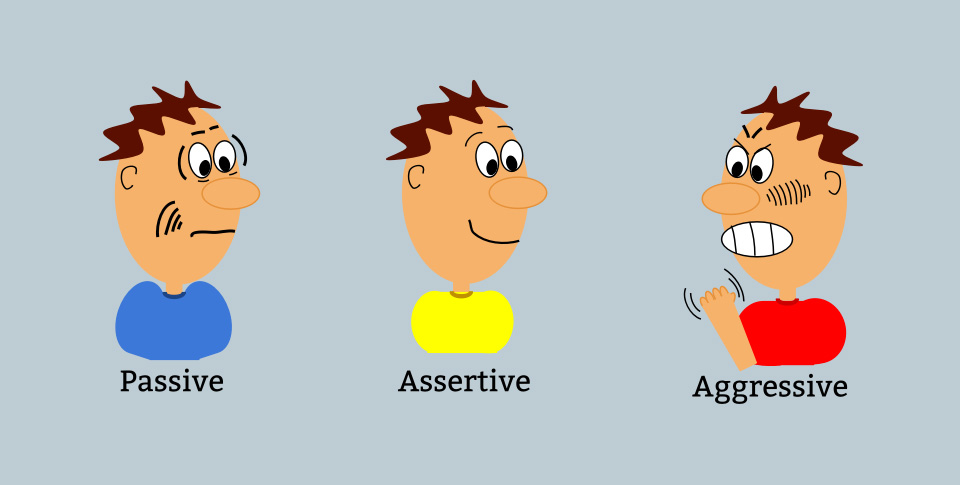
When you're assertive, you:
- Say what you need in a clear, respectful way
- Stand up for yourself without attacking others
- Try to reach a compromise that works for everyone
- Stay polite but firm in your communication
Important
Assertiveness helps prevent conflicts from escalating while ensuring your needs are heard and respected. It's not about winning - it's about finding solutions that respect everyone involved.
Skill 4: Use listening and rephrasing skills
Good listening is crucial for resolving conflicts. During disagreements, people often focus more on what they want to say next rather than truly hearing the other person.
Effective listening involves:
- Giving the other person your full attention
- Not interrupting when they're speaking
- Asking questions to make sure you understand
- Rephrasing what they said in your own words
- Checking that you understood correctly
This approach shows respect and helps ensure that both parties feel heard and understood.
Skill 5: Apply self-control skills
Managing your emotions is essential for resolving conflicts constructively. When you stay calm and in control, you can think more clearly and make better decisions.
Self-control techniques include:
- Taking a time-out to remove yourself from the heated situation
- Deciding how angry you want to be - remember, it's your choice
- Counting to 500 or more before responding
- Going for a short walk or jog to cool down
- Breathing deeply and slowly until you feel calmer
- Listening to music and moving to the rhythm
- Writing down your angry feelings, then throwing the letter away
- Visualising yourself calming down and finding a peaceful solution
- Imagining how you'll feel about this conflict in 10 years' time
Important
These techniques help you respond thoughtfully rather than react impulsively. The goal is to create space between your emotions and your actions, allowing for more constructive responses.
Skill 6: Apply negotiation and mediation skills
Negotiation involves talking through a conflict to reach a solution that works for everyone. Think of it as trading with words rather than fighting. The goal is to find common ground and create a win-win situation.
Steps for effective negotiation:
- Plan ahead and list your needs and the other person's needs
- Focus on what you both have in common
- Look for solutions where everyone gets something they want
- Be willing to compromise - both parties may need to give up something
- Approach it as partners working together, not opponents fighting
Mediation means helping other people resolve their conflicts by acting as a neutral referee. When you mediate:
- Stay impartial and don't take sides
- Give both people equal time to speak
- Help them listen to each other
- Guide them towards finding their own solution
- Remain calm and polite throughout the process
Practical application
Conflict resolution skills become stronger with practice. Real-life scenarios you might encounter include:
- Friends spreading gossip about each other
- Family disagreements about rules or expectations
- Group project disputes over responsibilities
- Romantic relationship conflicts about trust or communication
- Peer pressure situations requiring assertiveness
- Cultural or value differences causing misunderstandings
Note
The key is recognising which skills to apply in different situations and practising them regularly so they become natural responses. Start with small conflicts and gradually work your way up to more complex situations.
Remember!
Summary
Key Points to Remember:
- Conflict is normal - it's how we handle it that matters, not whether it happens
- The 'I' sentence formula is your go-to tool for respectful communication during disagreements
- Stay assertive, not aggressive - express your needs clearly while respecting others
- Listen actively - understanding the other person's perspective is crucial for finding solutions
- Control your emotions first - take time to calm down before trying to resolve the conflict
- Focus on win-win solutions - the best resolutions leave everyone feeling respected and heard