Human Factors That Cause Harm (Grade 12 NSC Matric Life Orientation): Revision Notes
📚Revision Notes
Human Factors That Cause Harm
Understanding human factors vs natural causes
When we talk about harm to people's health and safety, it's important to understand the difference between things we can control and things we cannot. Human factors are causes of harm that people are responsible for - things we can prevent, avoid or control. For example, if someone gets hurt in a car accident because the driver was speeding, this is a human factor because the speeding was a choice.
This is different from natural disasters like earthquakes or tsunamami, which are beyond our control. Understanding human factors helps us take responsibility for creating safer, healthier communities.
Note
The key distinction is that human factors involve choices and behaviours that can be changed, while natural causes are environmental events beyond our control. This understanding helps us focus on prevention and intervention strategies.
Types of harm caused by human factors
Human factors can lead to four main types of harm:
Ill-health
When someone becomes sick due to poor lifestyle choices or harmful behaviours. Common examples include:
- Having unprotected sex and contracting sexually transmitted infections (STIs)
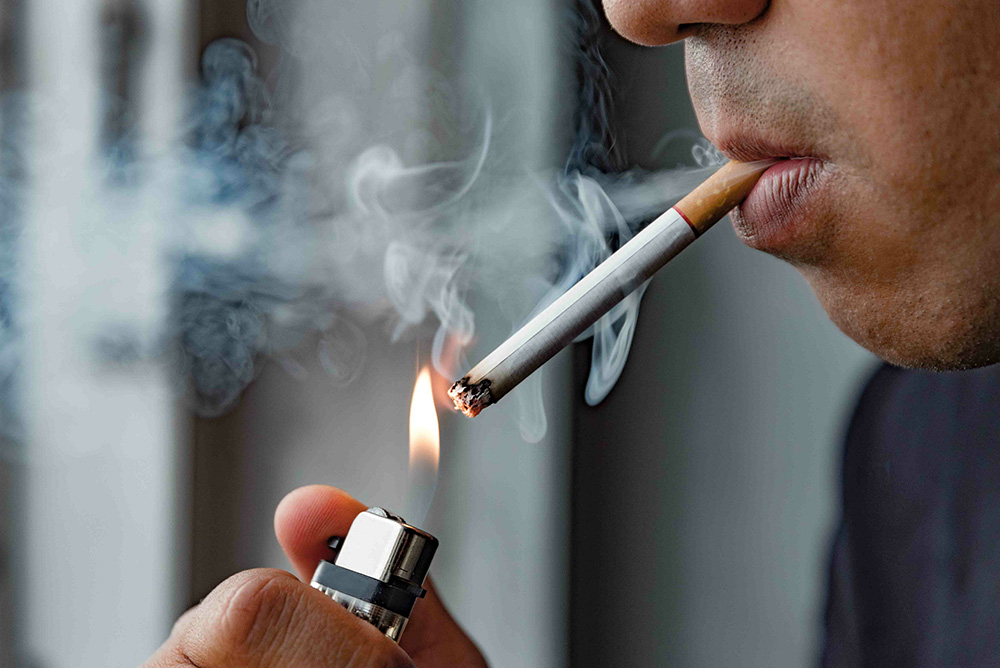
- Smoking cigarettes and developing lung cancer
- Drinking too much alcohol and getting liver disease
Accidents
Unexpected and unplanned harmful events that happen because of human actions or carelessness. Examples include:
- Car crashes caused by speeding or drinking and driving
- House fires started by leaving candles burning near curtains
- Burns from leaving hot liquids where children can reach them
Crises
Emergency situations that cause great stress and problems for people and communities. These often happen when people make harmful choices that affect others:
- A parent abandoning their family without providing money for food or school fees
- People stealing essential infrastructure like train cables, causing transport problems
Disasters
Major tragedies that cause widespread damage and suffering. Whilst some disasters are natural, humans can cause disasters through:
- Polluting water sources and causing disease outbreaks like cholera
- Factories dumping toxic waste into rivers, poisoning wildlife and people
- Wars that destroy cities and displace populations
- Overcrowding at events leading to structural collapses
Psychological factors that cause ill-health
Psychological factors refer to mental and emotional aspects of being human that can affect our physical health. The mind and body are closely connected - sometimes psychological problems can cause physical illness, and sometimes physical illness can create psychological problems.
The mind-body connection
When someone has low self-esteem or a negative self-image, they might not value themselves enough to make healthy choices. For example, they might not insist on using condoms during sex, which could lead to contracting HIV. This illness can then cause psychological effects like depression and stress.
Important
The mind-body connection is real and powerful. Mental health problems can manifest as physical symptoms, and physical illness can severely impact mental wellbeing. Both aspects need attention for complete healing.
Psychosomatic illness
This is when an illness involves both the mind and body. It might start with emotional stress but becomes a real physical problem. Examples include:
- Stress causing stomach ulcers
- Anxiety leading to chronic headaches
- Worry causing muscle pain and tension
- Emotional trauma triggering digestive problems
These illnesses are very real and need proper medical treatment, not just mental health support.
Social factors that cause ill-health
Social factors involve how people interact with each other and the conditions they live in. The way communities treat different groups of people can seriously affect health outcomes.
Violence and its health impacts
Violence causes both immediate injuries and long-term health problems:
Important
Gender-based violence particularly affects women's health through physical injuries like broken bones, burns, and head trauma. Victims of violence are more likely to be exposed to STIs, including HIV, through forced sexual contact. Violence creates psychological trauma that can lead to depression and anxiety.
Social conditions affecting health
- Foetal alcohol syndrome (FAS) occurs when pregnant mothers drink alcohol, causing permanent damage to babies
- Poverty prevents people from accessing proper healthcare, nutrition, and safe living conditions
- Gender inequality means women and girls often receive less healthcare and nutrition than men and boys
Religious factors that cause ill-health
Whilst religion can provide comfort and healing for many people, certain religious beliefs and practices can sometimes prevent people from getting the medical care they need.
Refusing medical treatment
Some religious groups discourage or forbid their members from:
- Taking prescribed medications
- Receiving blood transfusions during emergencies
- Seeking professional medical or mental health treatment
Instead, they may believe that only prayer or divine intervention can heal illness. This can lead to serious health complications or death when medical treatment is needed.
Important
Common Mistake to Avoid: Relying solely on faith-based healing while refusing medical treatment for serious conditions can be life-threatening. Many religious leaders now encourage combining spiritual support with proper medical care.
Guilt and blame around illness
Some religious teachings make people feel that illness is their fault or a punishment for wrongdoing. This can prevent people from:
- Seeking help when they need it
- Taking proper care of their health
- Getting support from healthcare professionals
Dangerous mixing of treatments
In some religious practices, traditional herbal medicines are mixed with modern prescribed drugs. This can be dangerous because:
- The herbs might cancel out the effects of prescribed medication
- There might be harmful chemical reactions between different substances
- People might rely on unproven treatments instead of getting proper medical care
Practices that spread disease
Some religious practices unintentionally spread illness:
- Forbidding the use of condoms increases the spread of STIs
- Sharing communal cups or utensils can spread infections like flu
- Large gatherings without proper hygiene measures can spread contagious diseases
Cultural practices that cause ill-health
Cultural practices are traditional behaviours and customs that are passed down through generations. Whilst many cultural practices are positive and meaningful, some can cause serious harm to people's health, particularly affecting women and girls.
Male child preference
In some cultures, male children are valued more than female children. This leads to:
- Better nutrition being given to boys while girls suffer from malnutrition
- Female babies being weaned from breastfeeding much earlier than male babies
- Girls receiving less medical care and education opportunities
- Psychological damage to girls who grow up feeling worthless and less important than boys
This low self-esteem can make girls more vulnerable to risky behaviours and abuse as they grow up.
Harmful practices affecting females
Important
Female genital mutilation (FGM) involves surgically removing parts of female genital organs. This outdated practice is done to try to control women's sexuality and ensure virginity before marriage. FGM causes serious health problems including:
- Severe bleeding and infections
- Extreme pain during and after the procedure
- Complications during childbirth
- Difficulty with menstruation due to blocked passages
- Increased risk of death from infections or bleeding
Arranged marriages of young girls happen when families marry off girls as young as 11 years old, often to much older men. This is usually done for money or to pay debts. The health consequences include:
- Loss of childhood and education opportunities
- Dangerous pregnancies and childbirth due to young age
- High risk of death during delivery
- Malnutrition during pregnancy due to young bodies still growing
Harmful sexual practices
Dry sex involves removing natural lubrication from the vagina, which causes:
- Injuries to genital tissues
- Increased risk of HIV infection because protective bacteria are removed
- Higher chance of condoms tearing during sex
- Greater risk of contracting other STIs
Nutritional harm from cultural taboos
Many cultures have food restrictions that particularly affect women and girls:
- Pregnant women and girls being forbidden from eating nutritious foods like eggs, meat, or fish
- Cultural beliefs that thin women are more beautiful, leading to eating disorders
- Girls receiving smaller food portions than boys in the same family
Important
These practices lead to malnutrition, making women and girls more vulnerable to infections and serious illnesses. In severe cases, eating disorders like anorexia and bulimia can cause death.
Unsafe traditional procedures
Male circumcision, whilst it can help reduce HIV transmission when done properly, becomes dangerous when performed by untrained people using:
- Unsterilised instruments
- Unsanitary conditions
- Improper techniques
This can lead to serious infections, the need for amputations, or death.
Different knowledge perspectives
A knowledge perspective is the way different people view and understand the same information. People's backgrounds, cultures, and experiences shape how they interpret facts about health and wellness.
Note
Understanding different knowledge perspectives helps us communicate better about health issues and find solutions that work for different communities while maintaining medical safety standards.
Examples of different perspectives
- Some people believe fasting for several days is healthy for spiritual or physical reasons, while others consider it harmful to the body
- Vegetarians might view eating meat as unhealthy or morally wrong, while others see it as an important source of protein
- Some cultures view mental illness as a spiritual problem, while medical professionals see it as a health condition needing treatment
Why this matters for health
Different knowledge perspectives can sometimes prevent people from getting proper healthcare or making healthy choices. It's important to:
- Respect different viewpoints while prioritising evidence-based medical advice
- Understand that cultural beliefs can influence health decisions
- Find ways to combine traditional wisdom with modern medical knowledge safely
Summary
Key Points to Remember:
- Human factors are causes of harm that people can control, unlike natural disasters that are beyond our control
- Psychological, social, religious and cultural factors all influence health outcomes, often in ways that disproportionately harm women and girls
- Psychosomatic illness shows how mental and emotional stress can cause real physical health problems that need medical treatment
- Many harmful cultural practices continue because they are traditional, but understanding their health impacts can help communities make positive changes
- Different knowledge perspectives mean people interpret health information differently based on their backgrounds and beliefs, which can affect their healthcare decisions