Lifestyle Diseases from Poverty and Gender Imbalances (Grade 12 NSC Matric Life Orientation): Revision Notes
📚Revision Notes
Lifestyle Diseases from Poverty and Gender Imbalances
What are lifestyle diseases?
A lifestyle disease is an illness that develops because of the way people live their daily lives. These diseases can be prevented through positive changes in several key areas:
Note
Definition of Lifestyle Disease: An illness that is linked to the way people live. It is a disease that can be prevented by changes in nutrition, environment, your general lifestyle, avoiding substance abuse, as well as the promotion of gender equality and the reduction of poverty.
- Nutrition - eating healthy, balanced meals
- Environment - improving living conditions and sanitation
- General lifestyle - regular exercise, adequate rest, stress management
- Avoiding substance abuse - staying away from harmful drugs, alcohol, and tobacco
- Promoting gender equality - ensuring fair treatment and opportunities for all genders
- Reducing poverty - improving economic conditions and access to basic needs
Common examples of lifestyle diseases include heart disease, stroke, obesity, osteoporosis, some forms of cancer, hypertension, tuberculosis, sexually transmitted infections (STIs), and HIV. These conditions are largely preventable with the right lifestyle choices and social conditions.
Lifestyle diseases in South Africa
South Africa faces significant challenges with lifestyle diseases affecting millions of people. The statistics reveal the scale of these health problems in our country.
Important
Staggering Numbers in South Africa: The data shows that smoking-related diseases affect approximately 7 million people, making it the most prevalent lifestyle disease. HIV affects around 5.5 million people, hypertension impacts about 6 million, and diabetes affects roughly 4 million South Africans. These numbers highlight the urgent need for prevention and treatment programmes.
Major lifestyle diseases affecting South Africans
Cardiovascular diseases and heart problems
Cardiovascular diseases affect the heart and blood vessel system. The leading cause of these conditions is hypertension (high blood pressure). These diseases include heart attacks, strokes, and various heart conditions.
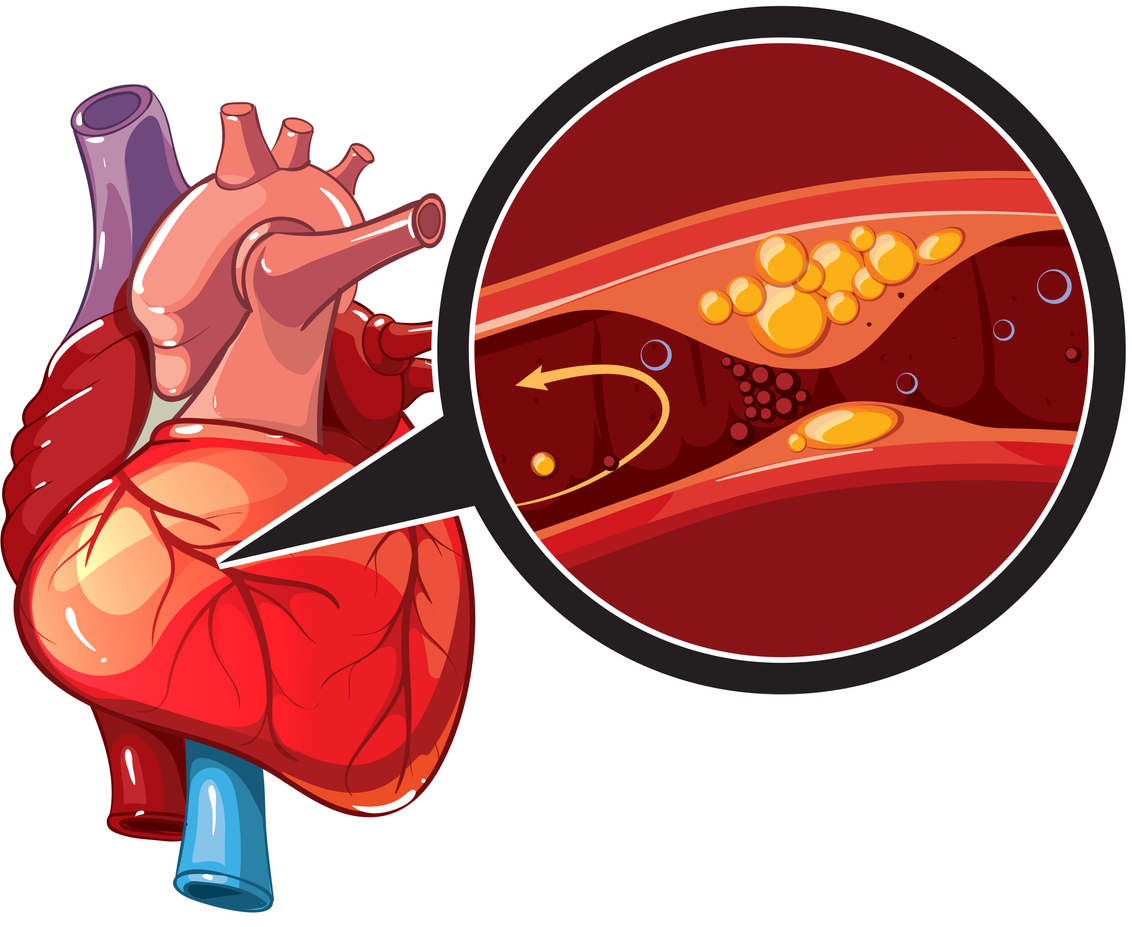
Coronary heart disease is the most common form of heart disease. This condition occurs when blood vessels become narrowed, reducing the flow of oxygen and nutrients to the heart. When this happens severely, it can result in a heart attack.
Note
Understanding Atherosclerosis: The narrowing happens because of a process called atherosclerosis - the build-up of fatty deposits (plaque) in the arteries. This plaque hardens over time, making arteries narrow and reducing blood flow to the heart.
Important
World Health Organisation Warning: Cardiovascular diseases are extremely serious and represent a global health crisis:
- They are the number one cause of death worldwide
- They cause an estimated 17.5 million deaths every year (30% of all global deaths)
- About 7.5 million deaths are from coronary heart disease and 6.2 million from strokes
- Over 80% of heart disease deaths occur in low- and middle-income countries like South Africa
- The problem affects men and women almost equally
- Deaths from these diseases could reach 23.6 million by 2030
Lung cancer and smoking-related diseases
Smoking causes severe damage to the lungs and respiratory system. Women face higher risks from smoking compared to men - they can develop lung cancer with lower levels of smoking. Women who smoke just 3-5 cigarettes per day may double their lung cancer risk, while men need to smoke 6-9 cigarettes daily to face the same increased risk.
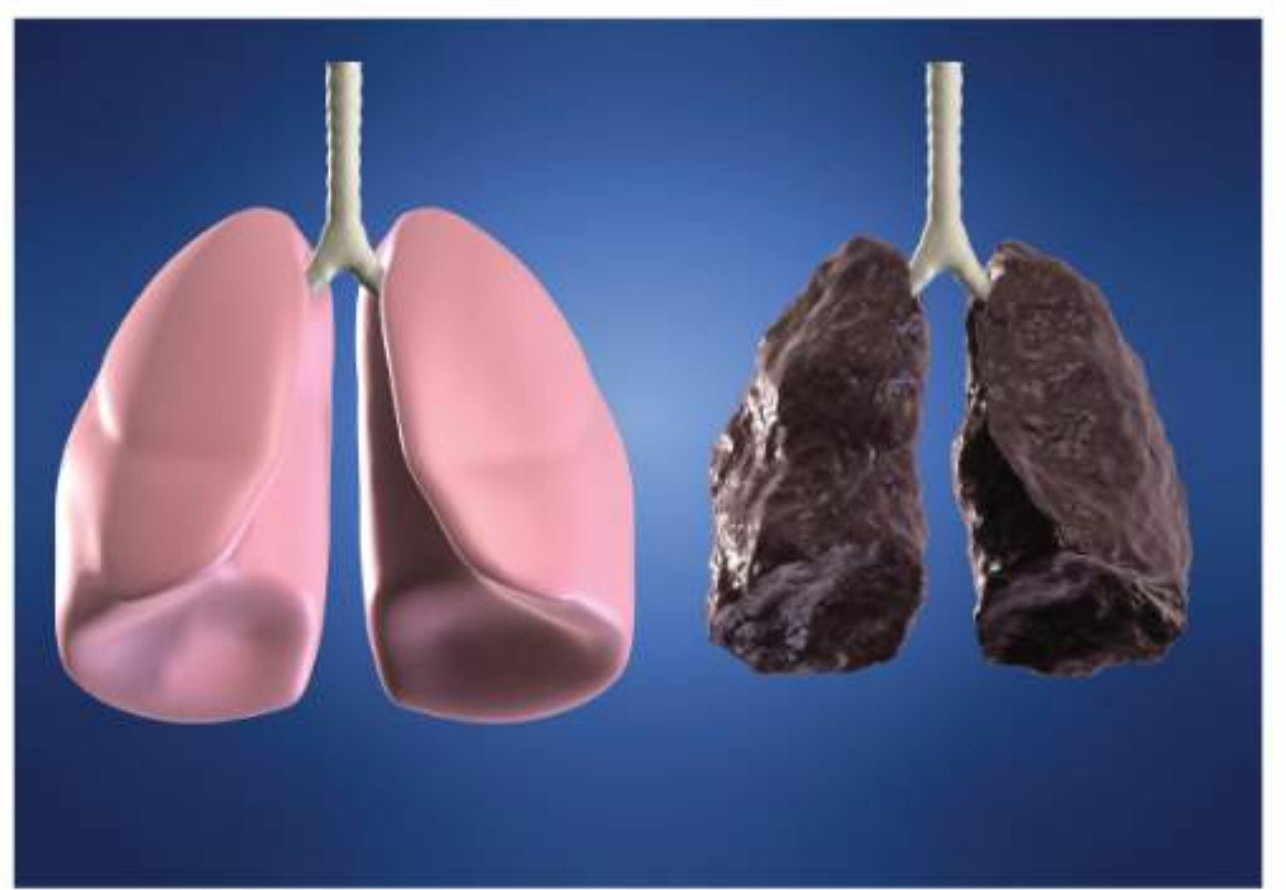
The image clearly shows the devastating difference between healthy pink lungs and the blackened, damaged lungs of a smoker. Smoking-related diseases affect about 7 million South Africans, making this the most prevalent lifestyle disease in our country.
Prostate cancer in men
Prostate cancer affects the male reproductive system, specifically a small gland called the prostate that wraps around the urethra (the tube that carries urine from the body). This disease primarily affects older men and can be detected early with regular screening.
Note
Key Symptoms of Prostate Cancer:
- Delayed or slow start when urinating
- Weak urine flow
- Dribbling or urine leaks after urinating
- Inability to completely empty the bladder
- Blood in urine or semen
- Bone pain in the lower back and pelvic area
Early detection through regular medical check-ups significantly improves treatment outcomes.
Tuberculosis (TB) in South Africa
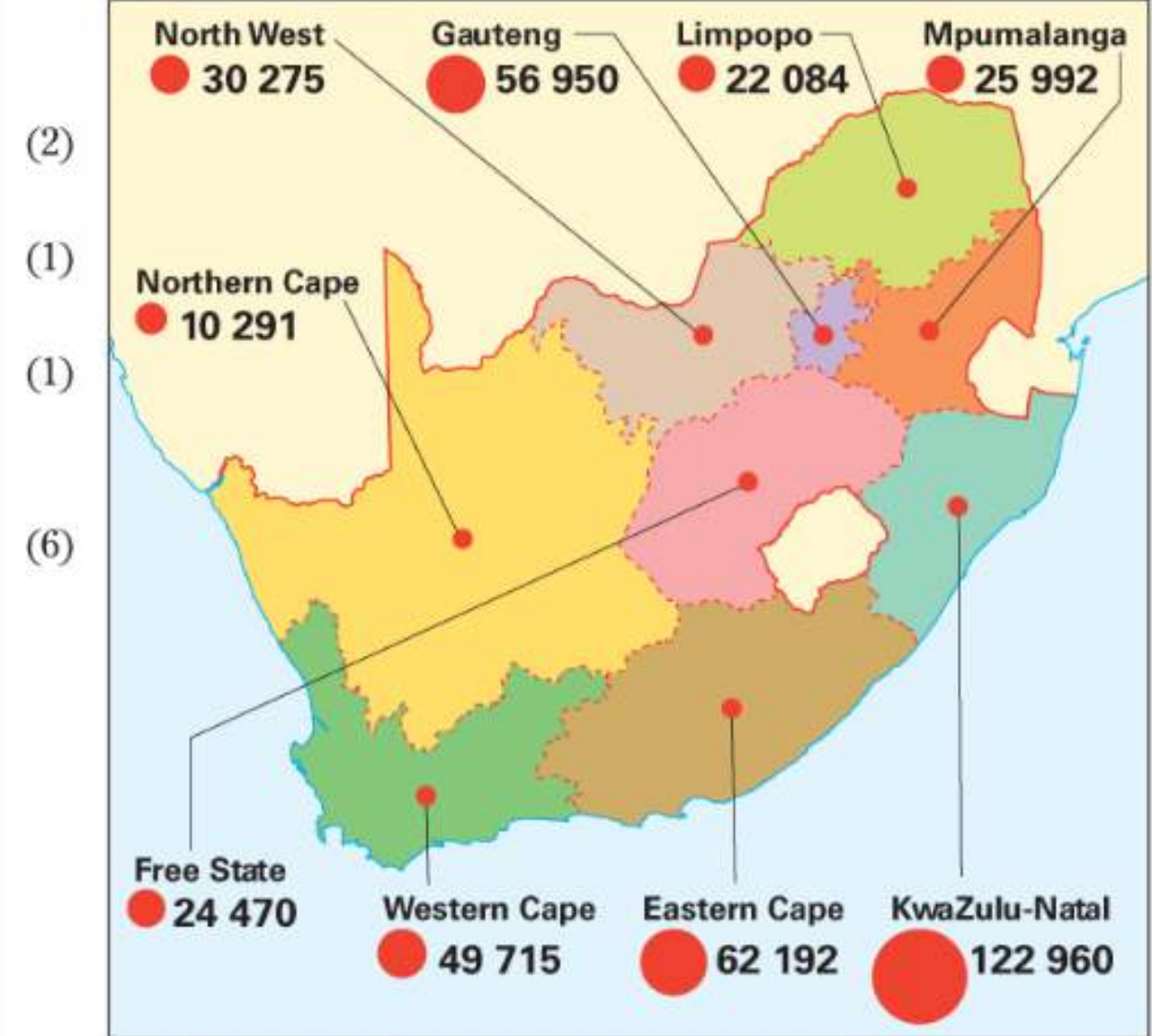
Tuberculosis remains a major health challenge in South Africa, with significant differences between provinces. Understanding the distribution helps identify areas needing urgent attention.
Important
TB Distribution Across South African Provinces: The TB statistics reveal concerning patterns:
- KwaZulu-Natal has the highest incidence with 122,960 cases
- Eastern Cape follows with 62,192 cases
- Gauteng has 56,950 cases
- Western Cape reports 49,715 cases
- Northern Cape has the lowest incidence with 10,291 cases
These differences reflect various factors including population density, poverty levels, living conditions, and access to healthcare services.
Sexually transmitted infections (STIs) including HIV and AIDS
STIs spread through sexual contact between infected individuals. Beyond common STIs like syphilis and gonorrhoea, this category includes HIV (which causes AIDS), chlamydia, and human papilloma virus (HPV). HIV affects approximately 5.5 million South Africans, making it one of the most significant lifestyle diseases in our country.
How poverty creates health problems
Poverty directly contributes to poor health outcomes through several interconnected pathways. When people lack adequate income and resources, their health suffers in multiple ways.
Poor sanitation and water access
Poverty often means living in areas without proper sanitation facilities or clean water. This creates conditions where diseases can spread easily, particularly infectious diseases like cholera, typhoid, and diarrhoeal illnesses.
Food insecurity and malnutrition
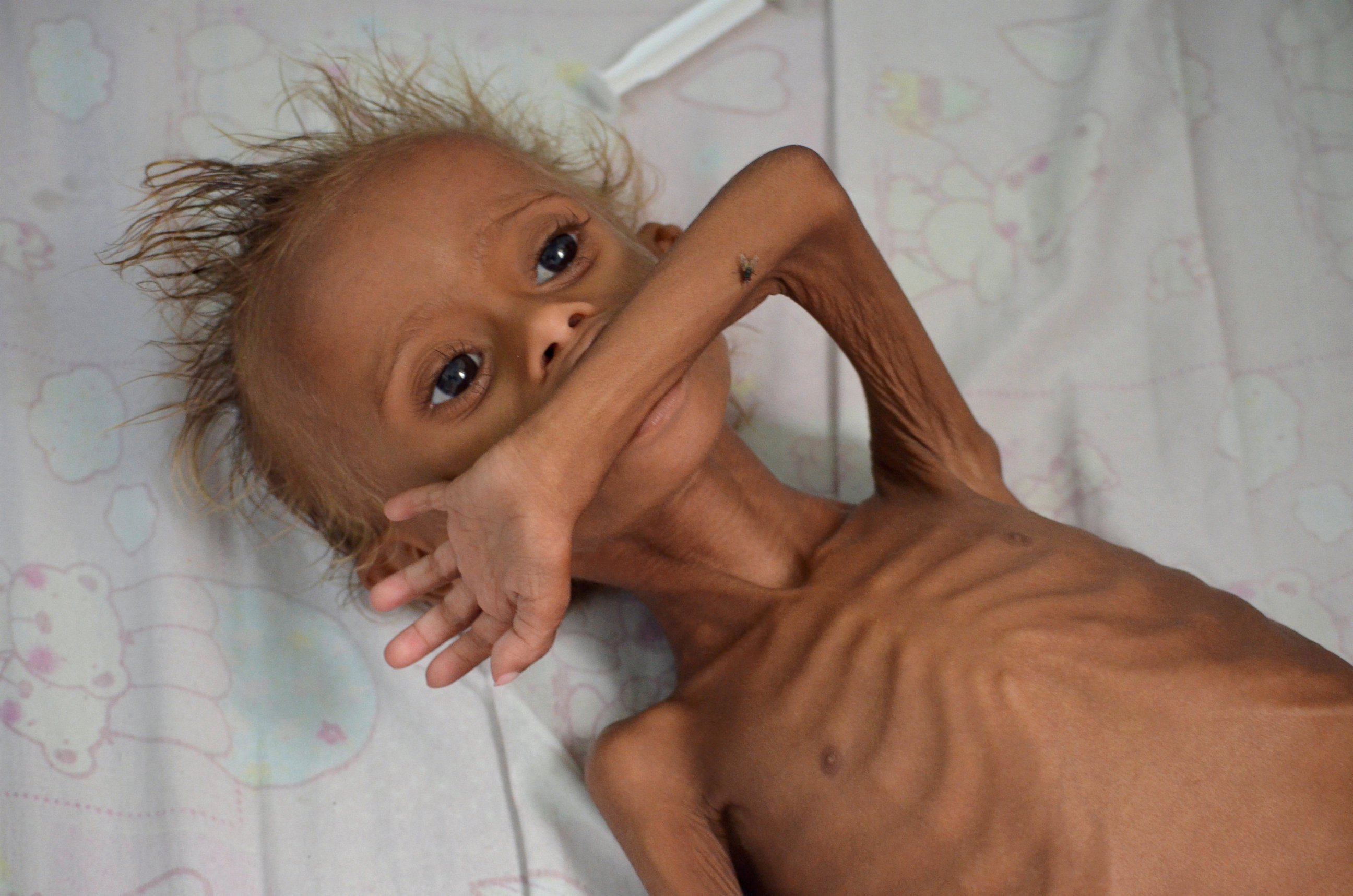
When families cannot afford sufficient nutritious food, malnutrition becomes a serious problem. Poor nutrition weakens the immune system, making people more vulnerable to infections and illnesses.
Important
The Malnutrition Crisis: The image shows the tragic reality of malnutrition - a severely underweight child who lacks access to adequate nutrition. When people don't have enough healthy food, their bodies cannot fight off diseases effectively. This makes them particularly vulnerable to conditions like tuberculosis and other infections.
Harmful cooking practices
Financial constraints force some families to reuse cooking oil repeatedly because they cannot afford to buy fresh oil regularly. This practice can lead to the formation of harmful compounds that increase cancer risk.
Overcrowded living conditions
Poverty often means multiple families sharing small living spaces with inadequate ventilation. These conditions create perfect environments for airborne diseases like tuberculosis to spread rapidly between people.
Note
Healthcare Access Barriers: Limited access to healthcare services also means that even when people become ill, they struggle to get proper medical care and treatment.
Gender imbalances and health risks
Men and women face different health risks because of biological differences, reproductive functions, and different gender roles in society. These differences create distinct patterns of illness and health outcomes.
Biological and reproductive factors
Women's reproductive health needs create specific vulnerabilities, particularly during pregnancy and childbirth. Reproductive health issues are the main cause of illness and death among women worldwide, and these outcomes are heavily influenced by poverty levels and gender inequality.
Gender-based violence and health risks
Women face higher risks of physical violence from partners, sexual violence, and forced sexual encounters. This gender-based violence significantly increases women's risk of contracting HIV and other sexually transmitted infections. Violence also creates psychological trauma and can prevent women from accessing healthcare services.
Case study: maternal mortality in sub-Saharan Africa
Example
Case Study: Maternal Mortality Crisis in Sub-Saharan Africa
This case study demonstrates how poverty and gender inequality combine to create devastating health outcomes for women.
The Statistics: In sub-Saharan Africa, over 500,000 women die each year during childbirth or from pregnancy-related causes. Almost all (99%) of these maternal deaths occur in low-income countries.
The Stark Contrast:
- Maternal death rate: 44 per 100,000 live births in Europe and Central Asia
- Compared to: 900 per 100,000 in sub-Saharan Africa
- Risk comparison: One in 30,000 in wealthy Northern Europe versus one in six in the poorest countries
Main Causes: The majority of maternal deaths (80%) result from complications during pregnancy, delivery, or within six weeks after delivery. HIV infection makes this situation even worse by increasing the likelihood of complications during childbirth. Common causes include anaemia, heavy bleeding (haemorrhage), and other preventable complications.
Compounded Risks: Women living with HIV face significantly higher risks of dying during childbirth, showing how multiple health challenges intersect to create compounded risks.
Remember!
Summary
Key Points to Remember:
-
Lifestyle diseases are preventable - they develop because of how we live and can be avoided through better nutrition, environment, lifestyle choices, avoiding substance abuse, promoting gender equality, and reducing poverty.
-
South Africa faces major challenges - millions of people suffer from hypertension, diabetes, smoking-related diseases, and HIV, with smoking-related diseases affecting the most people (7 million).
-
Poverty creates multiple health risks - poor sanitation, food insecurity, overcrowded housing, and limited healthcare access all contribute to poor health outcomes.
-
Gender differences matter - men and women face different health risks due to biological differences, reproductive factors, and social roles, with women facing particular vulnerabilities during pregnancy and from gender-based violence.
-
Prevention is possible - most lifestyle diseases can be prevented through improved living conditions, better healthcare access, education, and addressing social inequalities like poverty and gender discrimination.