Assessing Stress Levels (Grade 12 NSC Matric Life Orientation): Revision Notes
📚Revision Notes
Assessing Stress Levels
Understanding stress indicators
When learning to manage stress effectively, you first need to understand how to recognise when you're experiencing it. There are two main ways that stress shows itself in our lives: through signs and symptoms.

Signs of stress are the physical, measurable indicators that others can observe or that medical equipment can detect. These might include changes in your heart rate, blood pressure, or body temperature.
Symptoms of stress are the personal experiences and feelings that only you can notice. These include sensations like headaches, stomach discomfort, or feeling anxious.
Note
The key difference is that signs are objective and observable by others, while symptoms are subjective experiences that only you can identify and describe.
Key vocabulary
- Adrenaline: A hormone your body releases during stressful situations that increases heart rate and blood pressure, preparing you for action
- Signs: Observable, measurable physical indicators of stress
- Symptoms: Personal feelings and experiences of stress that only you can identify
Types of stress: Good versus harmful
Not all stress is harmful to your wellbeing. Understanding the difference between helpful and harmful stress is crucial for managing your mental health effectively.
Positive stress (Eustress)
Important
Eustress is beneficial stress that can actually improve your performance and motivation. This type of stress:
- Releases just enough adrenaline to energise you
- Helps you focus during exams or presentations
- Motivates you to take positive action
- Can bring out your best abilities
Negative stress (Distress)
Important
Distress is harmful stress that becomes overwhelming and dangerous to your health. This occurs when:
- You face stressful situations for too long
- The stress level exceeds your ability to cope
- Your body releases too much adrenaline
- It affects your thinking, health, and life quality
Recognising your stress level
Understanding whether you're experiencing low, average, or high stress levels helps you decide what action to take.
Low stress level: You can manage the pressures in your life effectively without significant difficulty.
Average stress level: You're still coping, but certain stressors require attention before they become unmanageable.
High stress level: You urgently need to apply stress management techniques or address the root causes of your stress.
Note
Research Findings
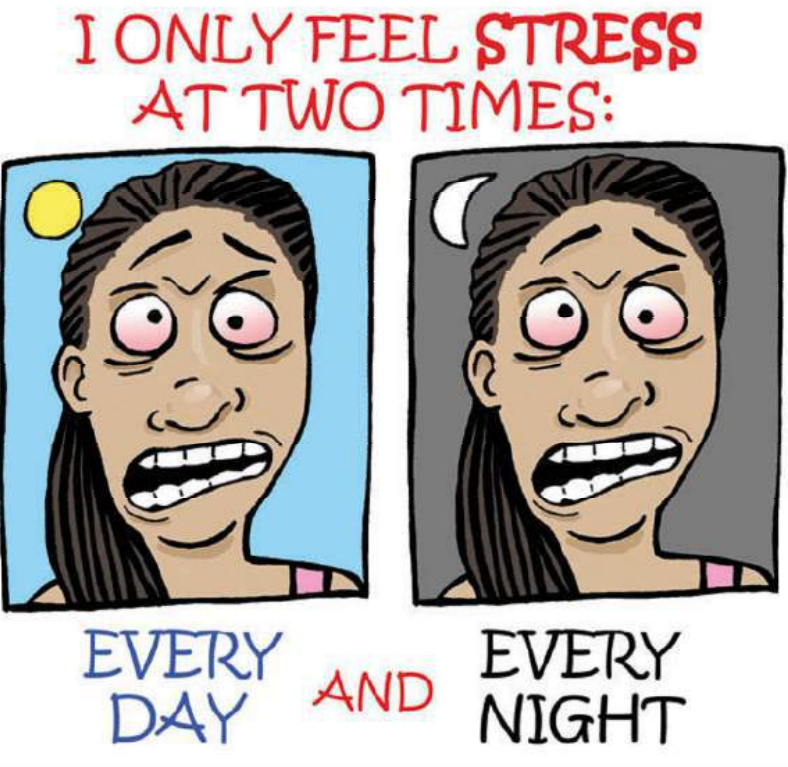
Studies show that the majority of people (68%) experience high stress levels, while only 9% report low stress. This highlights how common stress-related challenges are in modern life.
Methods for assessing stress
There are several ways to evaluate your current stress levels systematically:
Physical stress assessment
Physical symptoms often appear first when you're under stress. Common indicators include:
- Changes in eating patterns (eating too much or too little)
- Dizziness or feeling faint
- Chronic fatigue
- Sleep difficulties
- Frequent headaches
- Heart palpitations or rapid heartbeat
- Digestive problems or stomach discomfort
- Excessive sweating
- Teeth grinding or jaw tension
- Muscle tension and spasms
- Skin problems or rashes
Emotional stress assessment
Emotional indicators of stress affect your mental wellbeing and include:
- Unexplained crying or sadness
- Difficulty making decisions
- Feelings of hopelessness
- Self-doubt and low confidence
- Feeling unable to cope with daily challenges
- Sensation of being trapped
- Panic attacks or intense worry
- Irritability over minor issues
- Constant worry about various problems
- General feelings of uneasiness
Life satisfaction evaluation
Your overall satisfaction with life often reflects your stress levels. This assessment considers whether you feel:
- Generally happy and content with your circumstances
- Positive about your future
- Satisfied with your current life situation
- Hopeful about potential changes
- In control of your life direction
Note
Assessment Tips for Students
When evaluating your stress levels:
- Be honest about your experiences - there are no "right" or "wrong" answers
- Consider patterns over time rather than just how you feel on one particular day
- Remember that some stress is normal and can be beneficial
- Look for combinations of physical, emotional, and life satisfaction indicators
- Use these assessments as starting points for conversations with trusted adults or counsellors
Summary
Key Points to Remember:
- Signs can be measured by others, while symptoms are your personal experiences
- Eustress (good stress) motivates you, while distress (bad stress) overwhelms you
- Most people experience high stress levels, so you're not alone if you're struggling
- Regular self-assessment helps you catch stress problems before they become severe
- Physical, emotional, and life satisfaction indicators all contribute to your overall stress picture