Conservation of energy (Edexcel GCSE Physics Combined Science): Revision Notes
📚Revision Notes
Conservation of Energy
Note
The Conservation of Energy principle states that energy cannot be created or destroyed; it can only be transferred from one store to another.
What is a System?
Note
A system is just a group of things that we can think of as a whole. Inside the system, energy might move around, but the total energy always stays the same.
- Energy doesn't increase or decrease; it's just passed from one store to another.
Closed Systems
Note
A closed system is a special kind of system where no energy enters or leaves. The energy only moves between things inside the system, so the total energy stays the same.
- You can make a system closed by including more objects in it.
Example
Example:
-
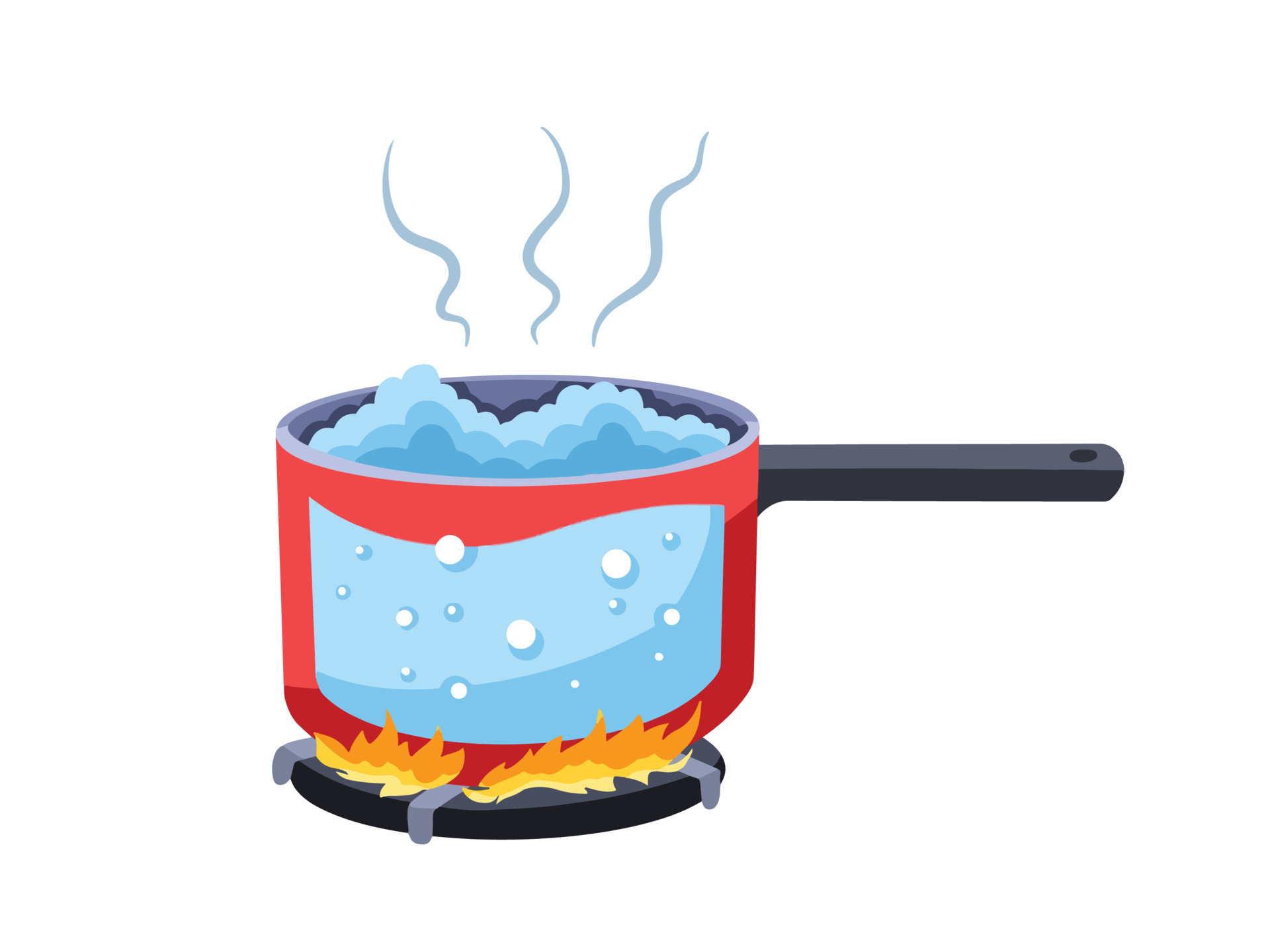
If you heat a pan of water, energy from the surroundings is going into the water, so it's not a closed system.
-
But if you think about the pan, the gas flame, and the surrounding air together, now nothing is leaving or entering, so it can be thought of as a closed system.
Energy Diagrams
Energy diagrams help show how energy moves between different stores.
Note
Let's look at a simple example: Imagine you throw a ball upwards:
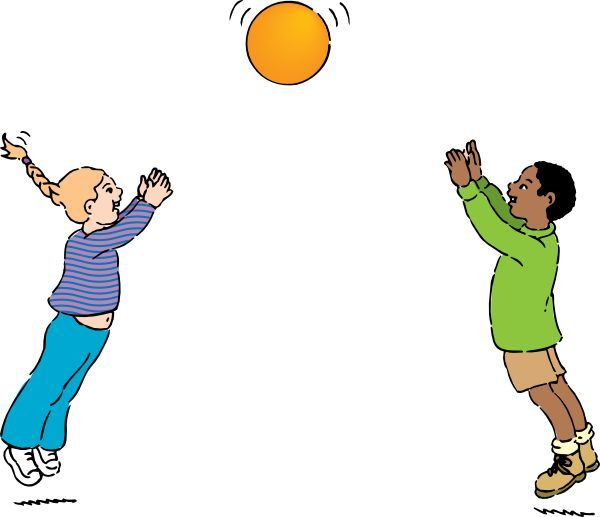
- At first, the ball has energy in its kinetic energy store (because it's moving).
- As the ball goes higher, energy is slowly transferred to its gravitational potential energy store (because it's gaining height).
How Energy is Transferred
| Method of Transfer | Description | Example |
|---|---|---|
| Mechanically | Energy is transferred when a force moves an object. | Pushing a car transfers energy to its kinetic energy store. |
| Electrically | Energy is transferred through electric currents. | A battery transfers energy to a light bulb, which releases light and heat. |
| Heating | Energy moves from something hot to something cooler. | Heating water on a stove transfers energy from the flame to the water. |
| Radiation | Energy is transferred by light or sound waves. | Energy from the Sun reaches Earth as sunlight. |