Food Preservation (Junior Cert Home Economics): Revision Notes
📚Revision Notes
Food Preservation
Food Preservation Methods
Definition:
Food preservation slows food spoilage caused by enzymes, moulds, yeast, or bacteria by altering the conditions they need to grow.
Methods of Food Preservation:
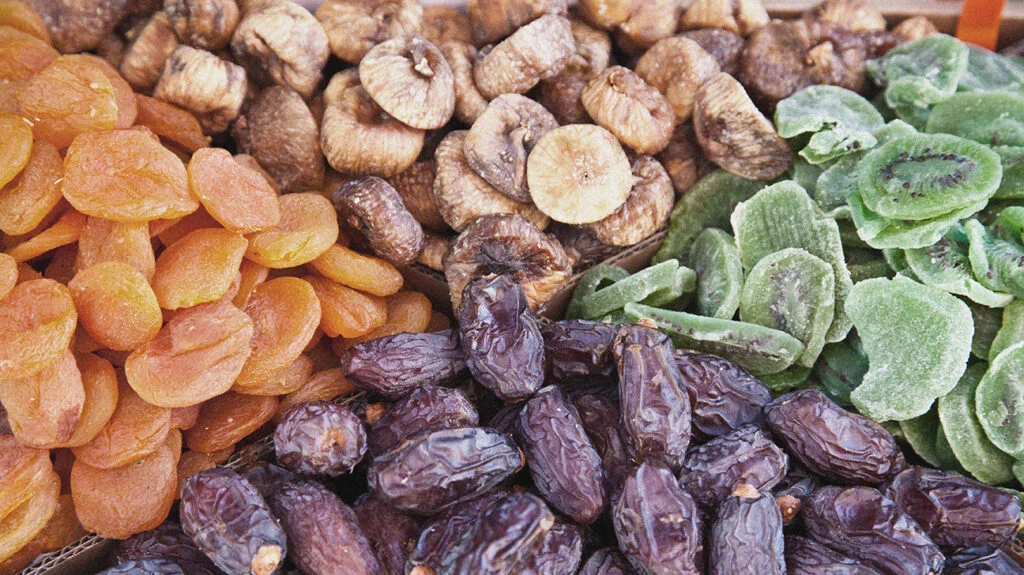
Drying:
- Condition Removed: Moisture
- Examples: Rice, raisins, herbs.
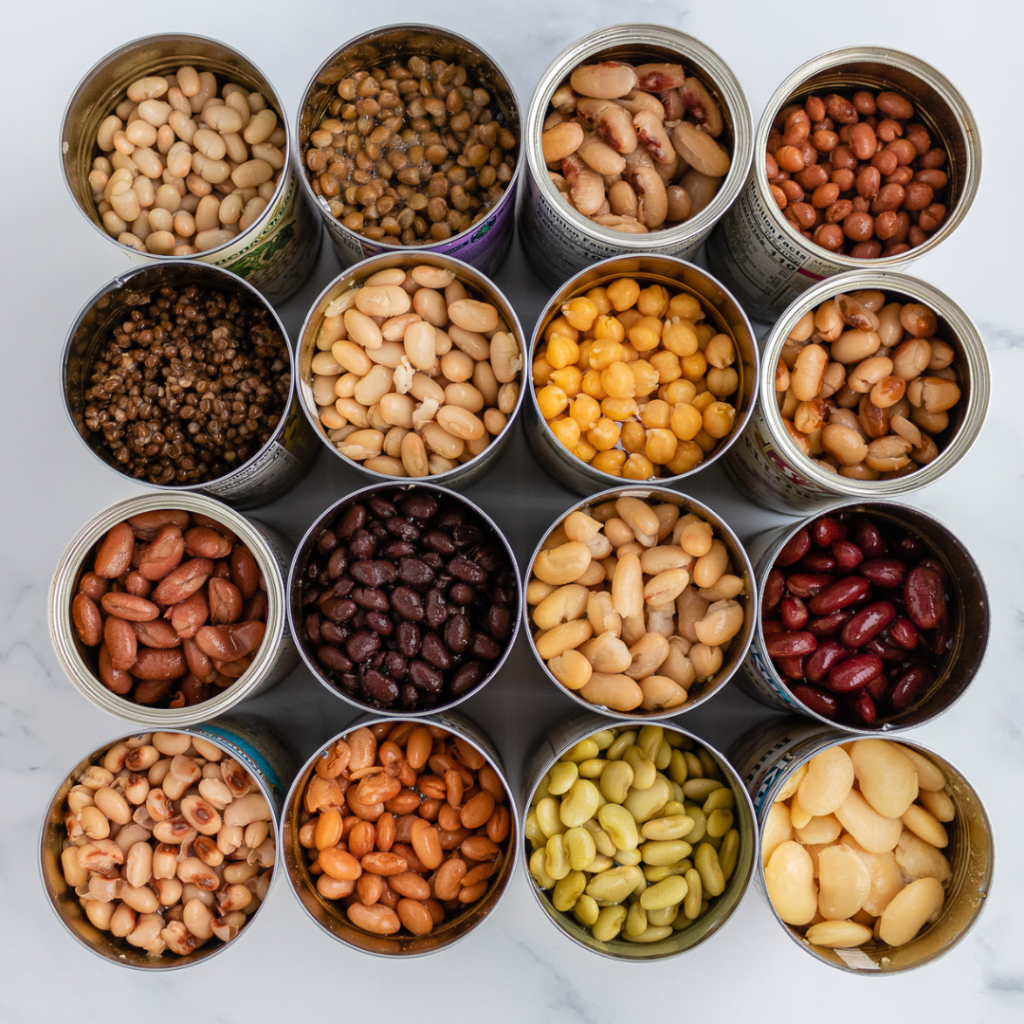
Canning and Bottling:
- Condition Removed: Oxygen
- Examples: Pickles, chutneys, beans.
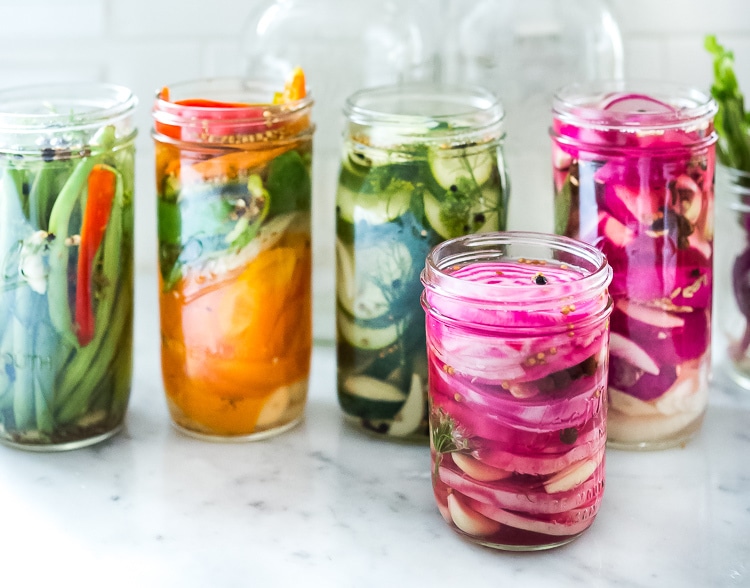
Chemical Preservation:
- Condition Removed: pH and/or moisture.
- Examples: Pickles, smoked fish.
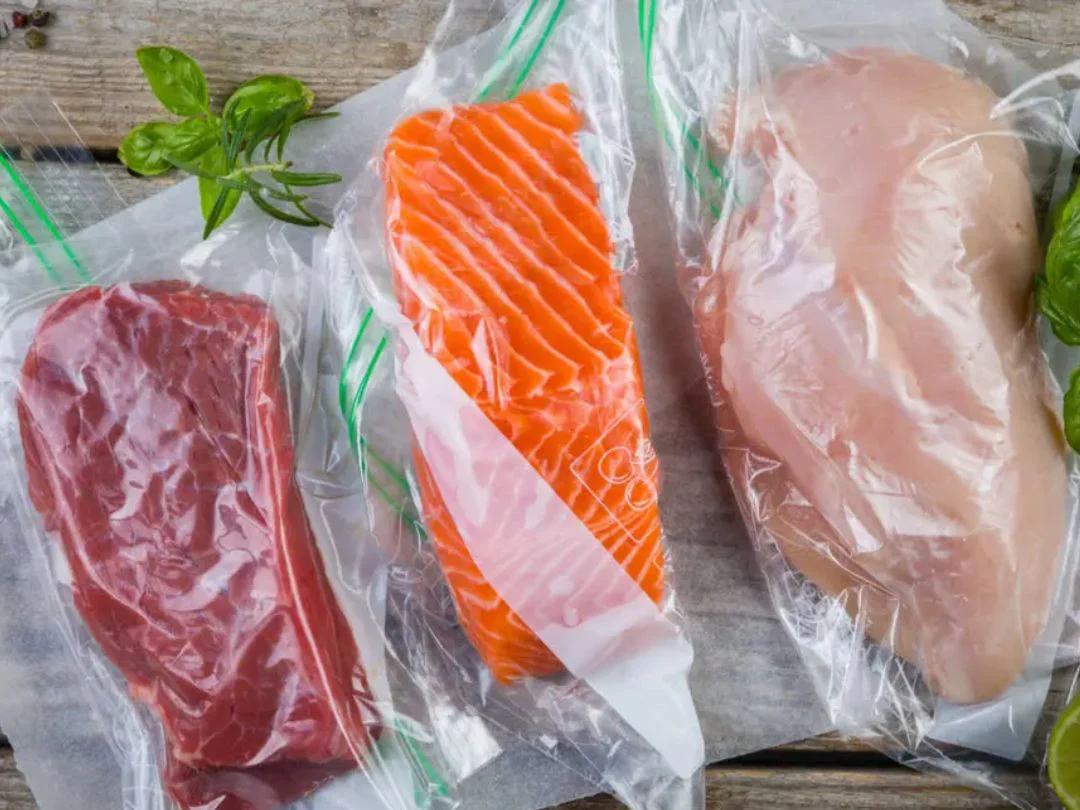
Vacuum Packing:
- Condition Removed: Oxygen
- Examples: Fresh meat, rashers.
Advantages of Food Preservation:
- Extends shelf life.
- Makes food more convenient.
- Reduces waste.
Disadvantages of Food Preservation:
- Loss of some nutrients, like water-soluble vitamins.
- Can be more expensive than fresh foods.