Classification of Fats, Spreads and Oils (Junior Cert Home Economics): Revision Notes
📚Revision Notes
Classification of Fats, Spreads and Oils
Fats and Oils Overview
- Fats:
- Come mainly from animal sources and are typically saturated.
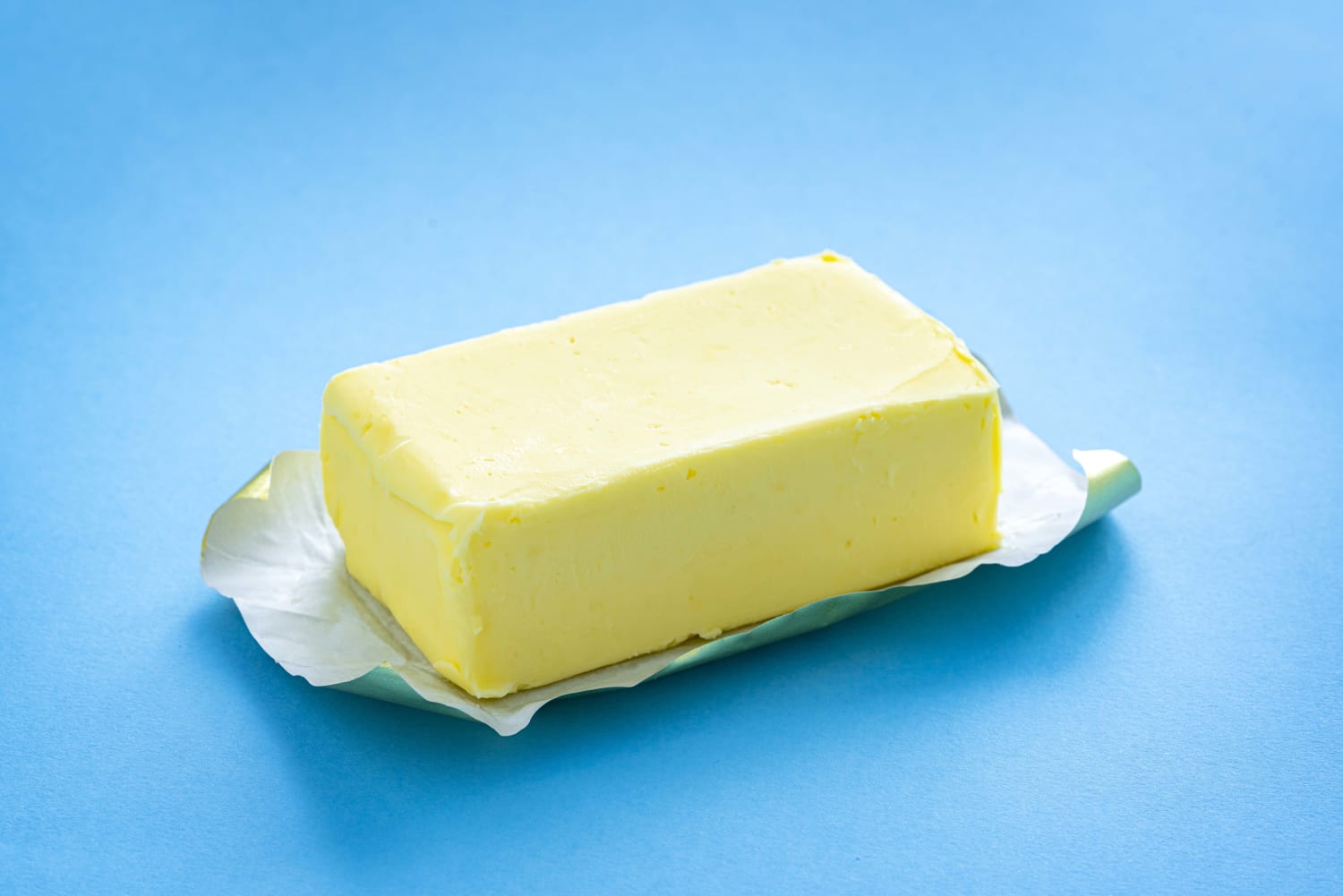
- Solid at room temperature (e.g., butter).
- Saturated fats contain cholesterol, so it's healthier to limit them.
- Oils:
- Come from marine or plant sources and are mostly unsaturated.
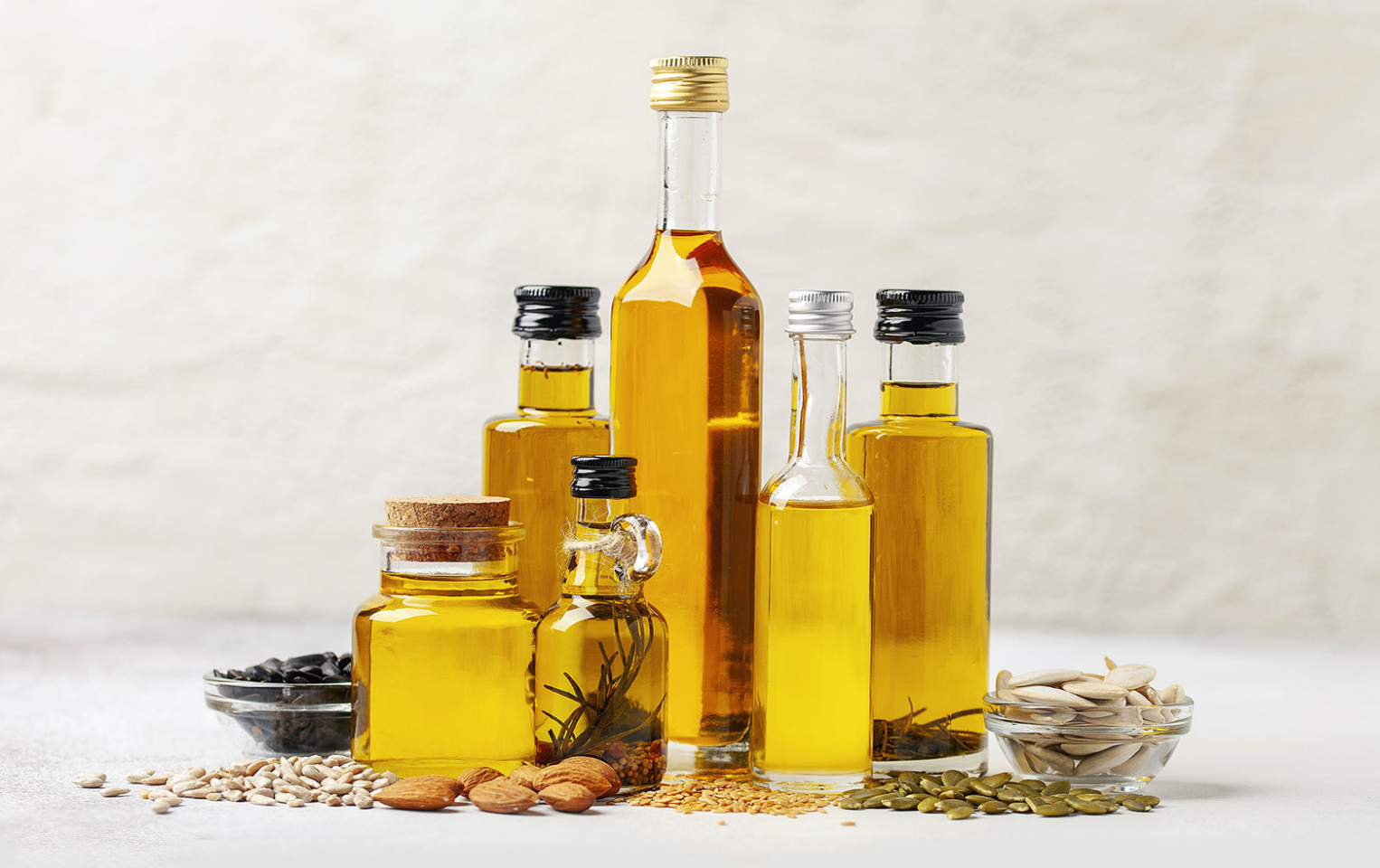
- Liquid at room temperature (e.g., olive oil).
- Unsaturated fats are healthier and help to lower cholesterol.
Classification of Fats, Spreads, and Oils
Fats and oils are classified based on their source and whether they are saturated or unsaturated.
Note
Animal (Saturated)
- Butter
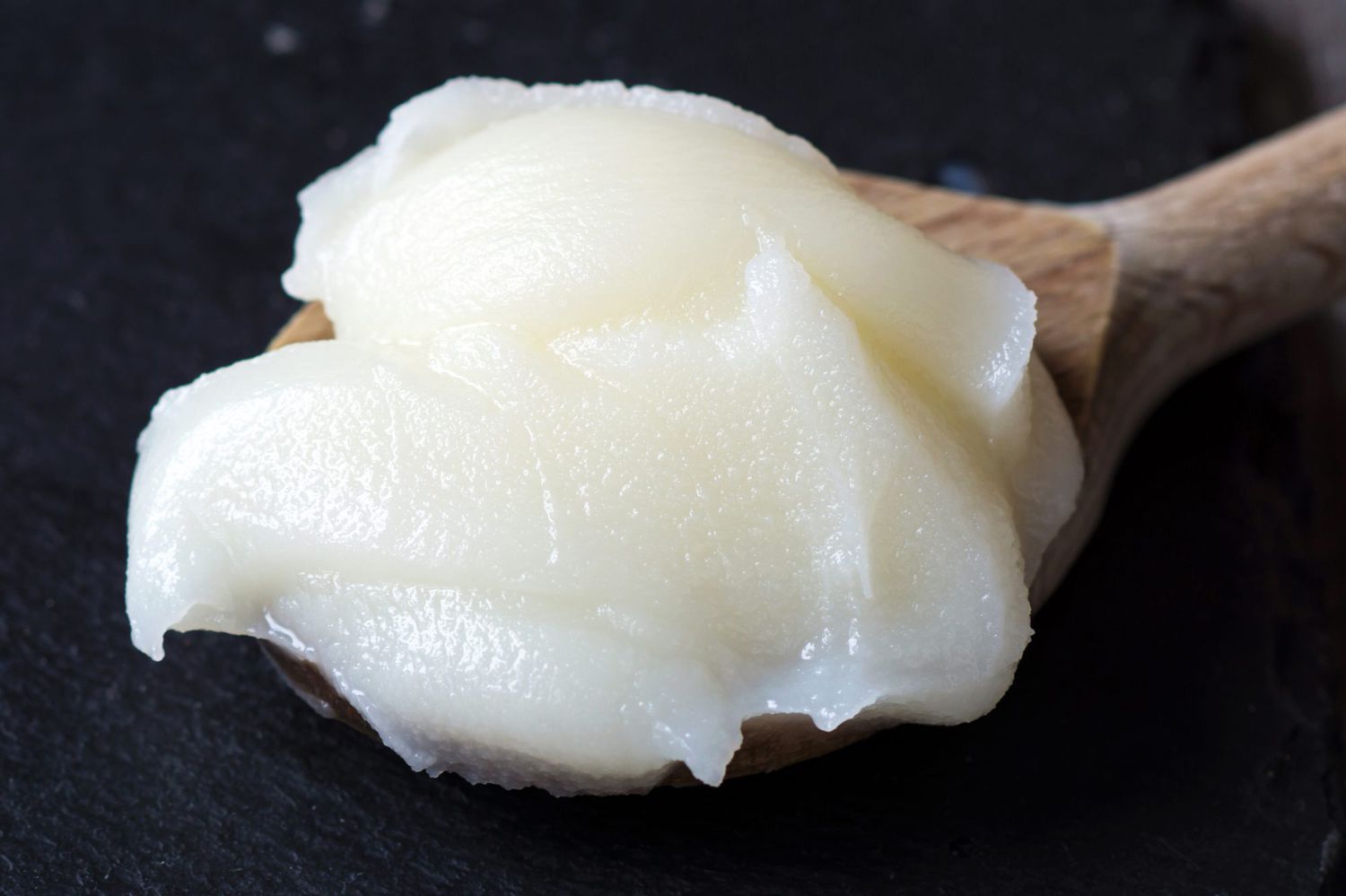
- Lard
Note
Plant (Unsaturated)
- Vegetable oils (olive)
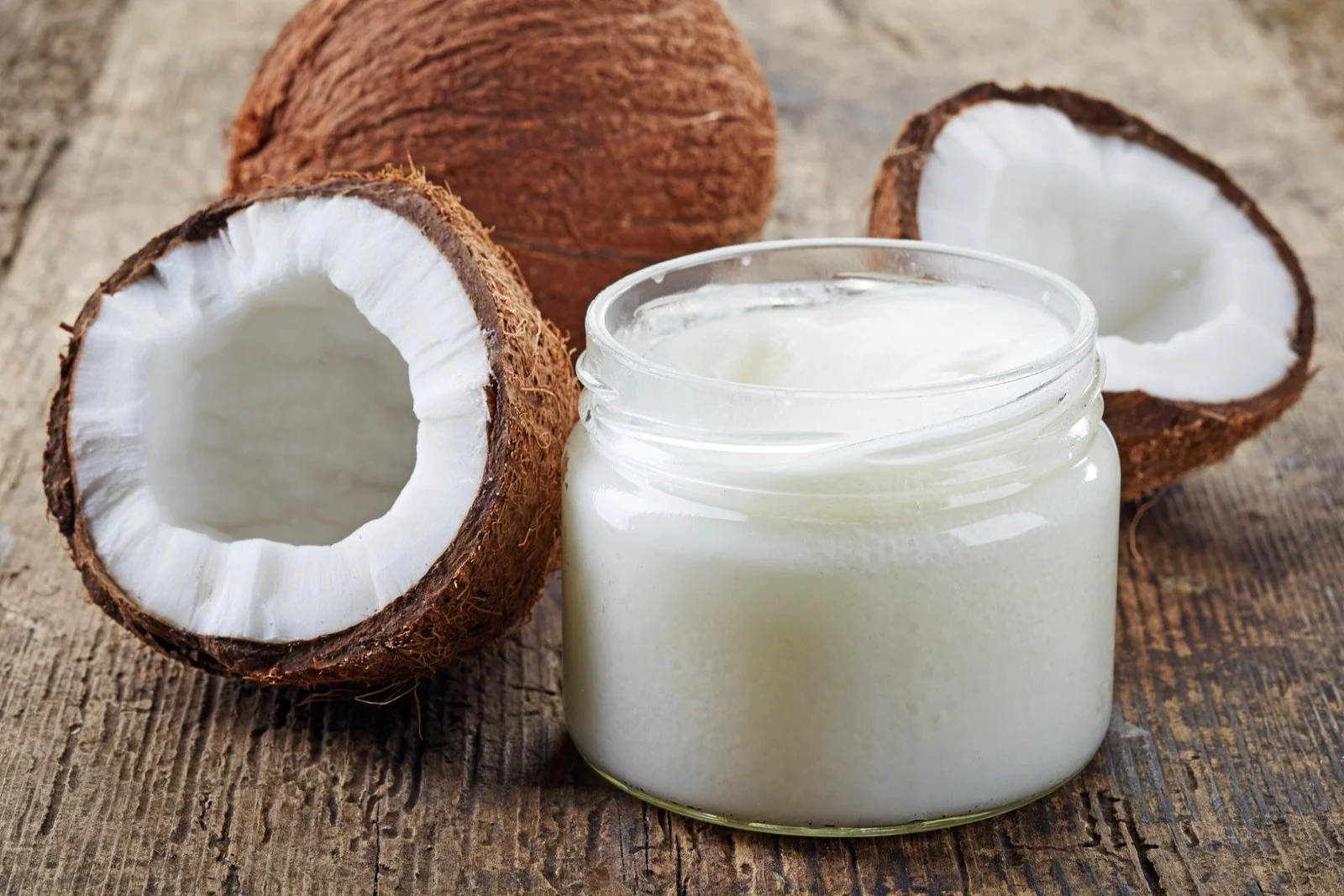
- Nut oils (coconut)
- Seed oils (rapeseed)
- Functional spreads (Flora)
Note
Marine (Unsaturated)
- Oily fish (e.g., herring, mackerel),
- Fish liver oils (e.g., cod, halibut)
Important Notes
- Functional Foods: Some plant and marine fats (like functional spreads) have added health benefits, such as lowering cholesterol.
- Margarine: Made from vegetable oil but becomes a saturated fat through processing. It should be limited in the diet and is used mainly for baking and frying.