Soup, Sauces and Batters (Junior Cert Home Economics): Revision Notes
📚Revision Notes
Sauces
Sauces are flavourful liquids that complement or form part of a dish. They can be sweet or savoury and served hot or cold.
Reasons for Using Sauces
- Flavour: Enhances dishes, e.g., cheese sauce with cauliflower.
- Appearance: Adds visual appeal, e.g., fruit coulis on cheesecake.
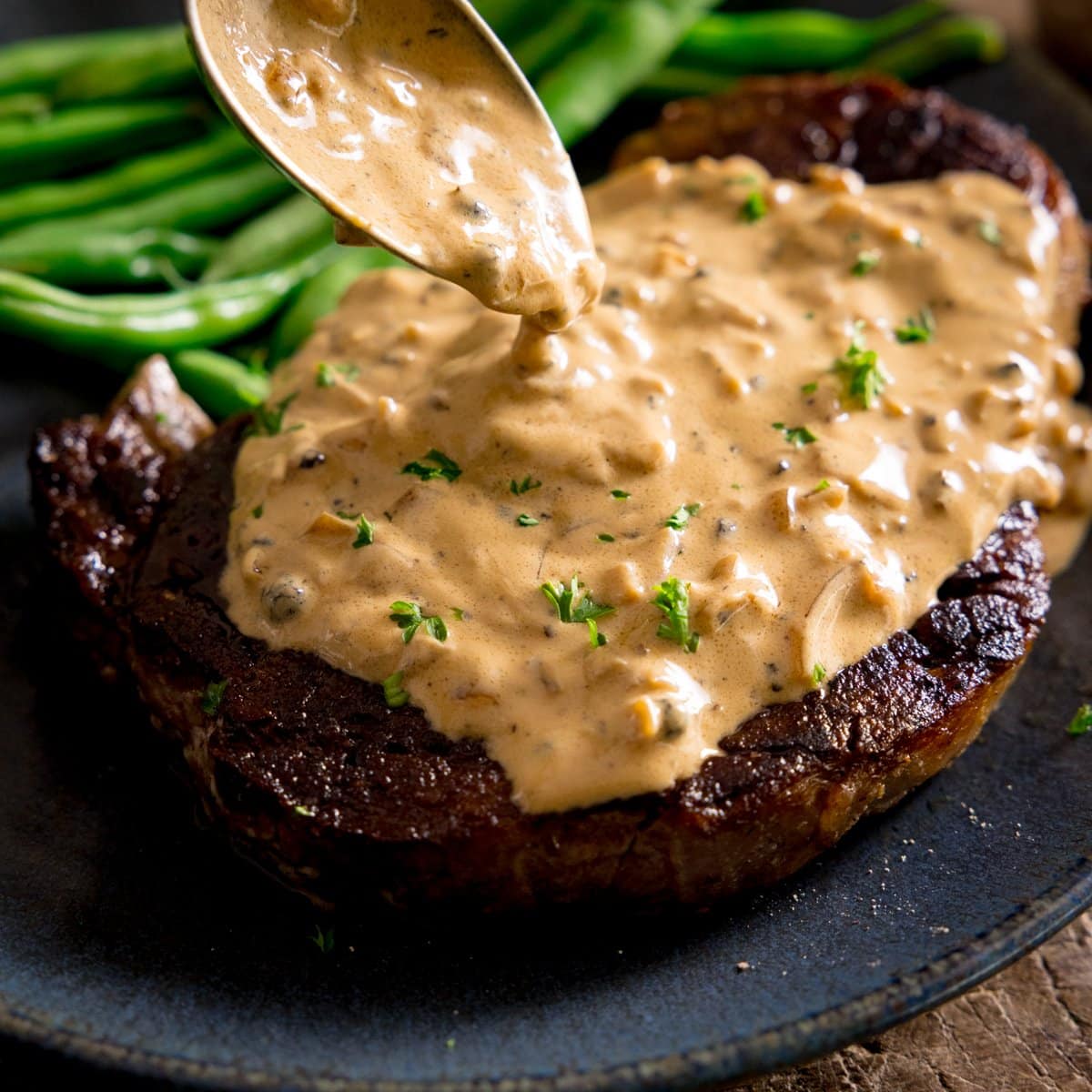
- Moisture: Keeps dishes moist, e.g., pepper sauce with steak.
Classification of Sauces
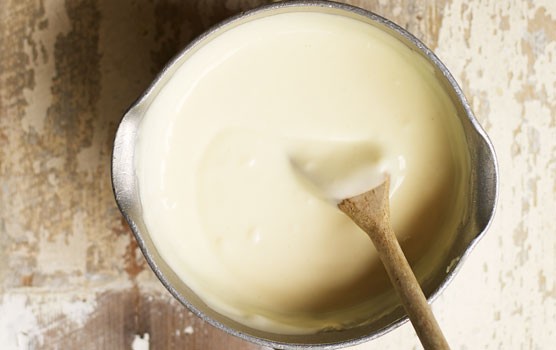
Roux-Based: Made with equal parts fat and flour.
- Examples: Parsley sauce (with fish), Cheese sauce (with cauliflower).
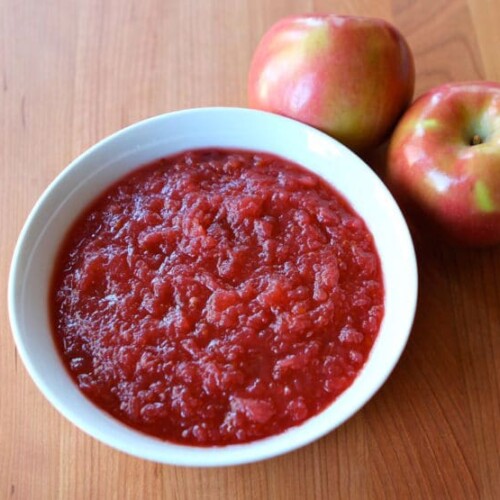
Fruit Purée: Blended fruit for sweet or savoury pairings.
- Examples: Apple sauce (with pork), Cranberry sauce (with turkey).
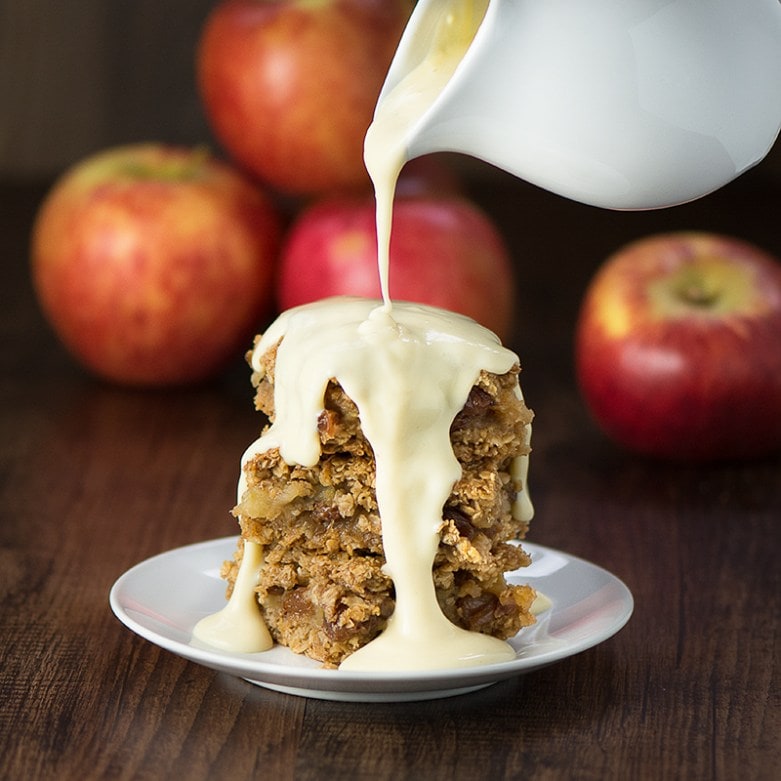
Egg-Based: Made with eggs for texture and richness.
- Example: Custard (with pies).
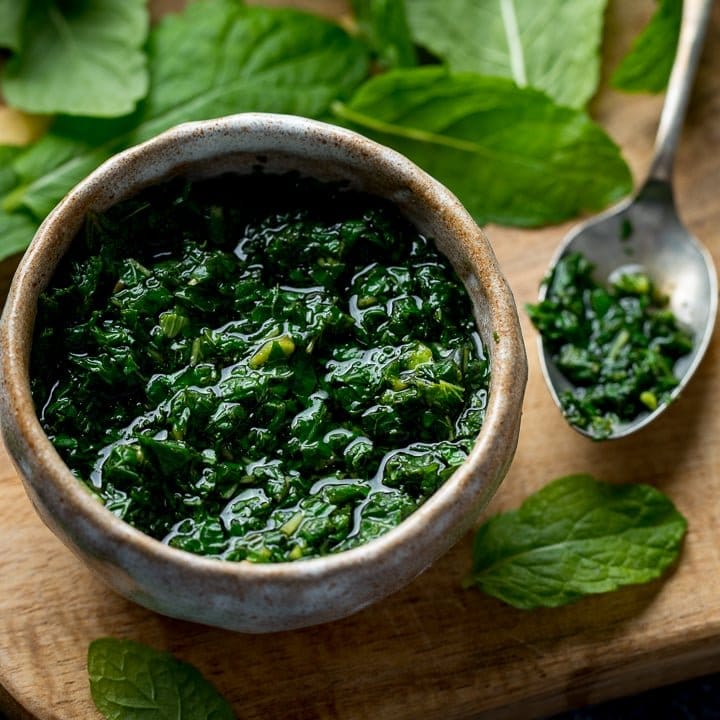
Cold: Chilled sauces for refreshing contrast.
- Examples: Mint (with lamb), Horseradish (with beef).
Other: Varied sauces used with different dishes.
- Examples: Peppercorn (with steak), Barbecue (with chicken wings), Tomato (with spaghetti), Chocolate (with profiteroles).
Advantages and Disadvantages of Convenience Sauces
| Advantage | Disadvantage |
|---|---|
| Convenient and time-saving | Can lack flavour |
| Useful for quick meals | May be high in salt, sugar, and additives |
| Easy for beginners | Can be costly |
Roux-Based Sauces
- Ingredients: Equal amounts of fat and flour with liquid added later.
- Flavour Variations: Add cheese, parsley, or mushroom.
- Thickness: Adjust by changing the amount of liquid:
- Binding (thickest)
- Coating
- Stewing
- Pouring (thinnest)
Batter
- Definition: A mixture of flour, eggs, and liquid (usually milk), beaten to add air.
- Uses:
- Coating food for frying, e.g., fish.
- Making pancakes, crêpes, and Yorkshire puddings.
- Benefits: Batters are cost-effective and versatile for breakfast or snacks.