Pricing Strategies (Edexcel A-Level Business): Revision Notes
📚Revision Notes
Pricing strategies
What is a pricing strategy?
A pricing strategy is a planned approach to setting prices that helps a business achieve its marketing and overall business objectives. It forms part of the wider marketing strategy, which includes decisions about product, promotion and distribution. Pricing decisions must align with corporate goals.
Note
Example Application:
If a business aims to move into premium markets, the pricing strategy might involve gradually increasing prices to reflect higher quality positioning. Different pricing strategies suit different situations - some work best for new product launches, while others are more appropriate for established products.
Types of pricing strategies
Cost plus pricing

Cost plus pricing ensures all production costs are covered by adding a percentage mark-up to the unit cost. The mark-up represents the profit margin and is expressed as a percentage of unit cost.
Formula:
Example
Worked Example: Calculating Cost Plus Price
If a canoe costs $80 to manufacture and the business adds a 25% mark-up:
Calculating percentage mark-up:
The percentage mark-up shows the difference between unit cost and price as a percentage of unit cost.
Formula:
Example
Worked Example: Finding the Percentage Mark-up
If unit cost is $40 and price is $70:
Advantages:
- Simple to calculate and implement
- Guarantees all costs are covered
- Ensures a predictable profit margin
- Commonly used by retailers
Important
Key Limitations of Cost Plus Pricing:
- Ignores market conditions and competitor prices
- May set prices too high or too low relative to competitors
- Difficult to allocate costs accurately for multi-product businesses
- Doesn't consider customer willingness to pay
Price skimming
Price skimming involves charging a high initial price for new products, then gradually reducing it over time. This strategy aims to maximize revenue from early adopters before competitors enter the market.
Note
When Price Skimming is Used:
- Technology products (e.g., laptops initially cost over $1,000, now available for under $200)
- Pharmaceutical companies with new drugs protected by patents
- Innovative products with few substitutes
How it works:
The high initial price targets consumers willing to pay premium prices for new products. As the price decreases, different customer segments enter the market. This approach helps recover high research and development costs.
Advantages:
- Maximizes early revenue from customers willing to pay premium prices
- Helps recover development costs quickly
- Different customer segments can be targeted as price falls
- Creates a premium brand image
- Works well when demand is price inelastic
Disadvantages:
- Only effective when demand is price inelastic
- May attract competitors into the market
- Requires genuine innovation or differentiation
- Can alienate price-sensitive consumers initially
Example
Real-World Example: Sony PlayStation 3
Sony launched PlayStation 3 at $599 (60GB model) in 2006, reducing the price to $299 by 2009 as the product matured and competition intensified. This demonstrates the classic price skimming approach of starting high and gradually decreasing prices over time.
Penetration pricing
Penetration pricing sets an initially low price for new products to gain rapid market entry. The business then raises prices once market share has been established. This is sometimes called an introductory offer.
Note
Forms of Penetration Pricing:
- Free trial periods
- First item free or heavily discounted
- Half-price introductory offers
- Buy-one-get-one-free promotions
Advantages:
- Particularly effective for middle and low-income consumers who are price-sensitive
- Generates rapid sales growth - lower prices typically mean faster adoption
- Enables economies of scale through increased production volumes
- Puts competitive pressure on rivals who may need to respond with price cuts or differentiation
- Helps establish brand loyalty
Considerations:
- Requires a low cost base to maintain profitability
- Risk of conditioning customers to expect low prices
- Customers may leave when prices increase if they're not prepared to pay more
- Should be time-limited to avoid profit erosion
Examples:
- Sports clubs offering discounted memberships
- Driving schools providing cheap initial lessons
- Satellite broadcasters offering introductory subscription rates
- Online gaming sites with free trial periods
Example
Case Study: Virgin Media
New customers received sports channel packages for $46.75 per month, rising to $66.25 after six months - a penetration strategy encouraging sign-ups with an initial saving of $19.50 monthly. This demonstrates how businesses use temporary low pricing to attract customers before returning to normal pricing levels.
Important
Critical Distinction: Penetration vs Predatory Pricing
Penetration pricing differs from predatory pricing. Penetration is a short-term strategy to enter a market legally. Predatory pricing aims to eliminate competitors and may be illegal. Don't confuse these two strategies in exams!
Predatory pricing
Predatory pricing (or destroyer pricing) involves charging very low prices - sometimes below production costs - to force competitors out of the market. Once rivals have exited, the predator can raise prices.
Important
Legal Position on Predatory Pricing:
Predatory pricing is illegal in the UK and EU when a business deliberately sells below cost to eliminate competitors. This practice is outlawed because it reduces competition, potentially harming consumers through higher long-term prices.
When low pricing is legal:
- Low-cost businesses maintaining low margins for extended periods
- Clearing excess stock
- Breaking into new markets without intent to eliminate competition
Example
Real Example: Esso and Shell (2013)
In 2013, Esso and Shell faced accusations of predatory pricing from the RMI Petroleum Retailers Association. The complaint alleged that franchised dealers had to buy fuel at wholesale prices higher than retail prices at company-owned sites - potentially illegal competitive behavior.
Competitive pricing
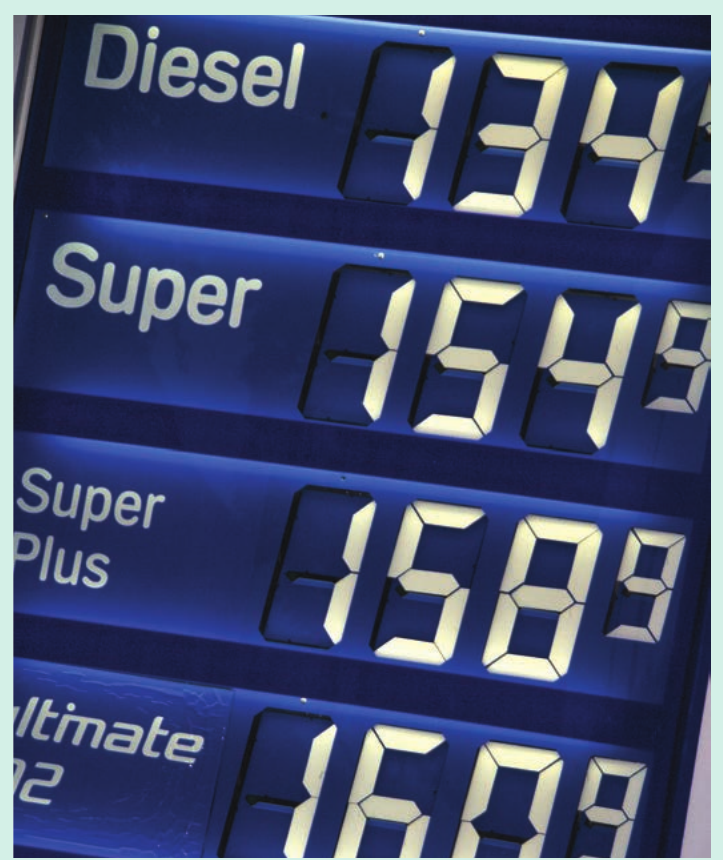
Competitive pricing involves setting prices based on what competitors charge. This strategy is common in highly competitive markets where businesses want to avoid price wars.
Two main approaches:
-
Matching competitor prices: Charging the same or very similar prices to rivals. This is considered a "safe" strategy that avoids aggressive price competition.
-
Price leadership: The dominant firm sets the price and others follow. Price leaders typically achieve this position through:
- Being low-cost operators
- Building strong brands over time
- Having significant market power
Advantages:
- Reduces risk of price wars
- Provides pricing certainty
- Appropriate for businesses operating as price takers (e.g., farmers selling commodities)
- Maintains market stability
Note
Example in Practice:
Petrol stations often display similar prices for different fuel grades (Diesel, Super, Super Plus, Ultimate) because they engage in competitive pricing, monitoring and matching nearby competitors.
Psychological pricing
Psychological pricing sets prices just below round figures to make them appear significantly cheaper. The most common example is pricing at $99.99 instead of $100.
How it works:
Consumers perceive $99.99 as substantially cheaper than $100, even though the difference is only 1p. This psychological effect influences purchasing decisions, particularly among bargain-seeking consumers.
Note
When to Use Psychological Pricing:
Appropriate for:
- Mass market products
- Retail environments
- Price-sensitive consumer segments
Avoid for:
- Premium or luxury products
- Up-market positioning
- When targeting affluent consumers
The strategy exploits consumer psychology but is not appropriate for businesses trying to maintain a premium brand image.
Factors determining appropriate pricing strategy
Setting the right price requires careful consideration of multiple factors. Businesses must evaluate their situation against these six key determinants.
Differentiation and unique selling points (USPs)
Products with strong differentiation or clear USPs can command higher prices. Consumers willingly pay premium prices for products offering unique features or benefits.
Note
Example:
Restaurants can charge more by offering innovative dishes, unique ambience and exceptional customer service. These differentiating factors justify higher prices compared to standard alternatives.
Products lacking differentiation must compete primarily on price, limiting pricing flexibility.
Price elasticity of demand
Price elasticity of demand (PED) measures how quantity demanded responds to price changes. Understanding elasticity is crucial for pricing decisions.
Price inelastic demand (PED between 0 and -1):
When demand is inelastic, businesses can raise prices without significantly reducing sales. This increases total revenue.
Example
Example: Inelastic Demand
If PED = -0.8, a 10% price increase causes only an 8% fall in demand, increasing total revenue. Utility companies (gas, electricity, water) have successfully raised prices because demand for these essential services is price inelastic.
Price elastic demand (PED less than -1):
When demand is elastic, price reductions increase revenue by stimulating proportionally larger increases in demand.
Example
Example: Elastic Demand
If PED = -2.7, a 10% price reduction generates a 27% increase in demand, increasing total revenue. Low-cost supermarkets use this strategy effectively.
Understanding elasticity helps businesses predict the revenue impact of pricing decisions.
Amount of competition
Competition levels significantly influence pricing power.
Low competition:
Businesses facing little competition can charge higher prices because consumers have few alternatives. Example: An isolated village shop in the Scottish Highlands can charge premium prices due to geographical monopoly.
High competition:
Intense competition limits pricing flexibility. Many businesses become price takers - they must accept the market price. This commonly affects farmers selling commodities in national or international markets.
Competitive market strategies:
In competitive markets, businesses typically use competition-based pricing:
- Charging the "going rate" (matching competitor prices)
- Following price leaders
- Avoiding aggressive price competition to prevent price wars
Strength of brand
Strong brands command higher prices than weak brands. This explains why companies like Coca-Cola and Unilever invest heavily in brand building through advertising and promotion.
Benefits of strong brands:
- Price skimming opportunities for new product launches
- Ability to charge premium prices
- Greater pricing flexibility
- Option to use predatory pricing to deter market entry
- Customer loyalty reducing price sensitivity
Brand strength creates pricing power by building perceived value beyond functional product attributes.
Stage in the product life cycle
Products pass through distinct stages from development to market withdrawal. This progression is called the product life cycle, and pricing strategies should adapt to each stage.
Introduction stage:
- Penetration pricing to establish market presence
- OR price skimming if the product is innovative with few rivals
Growth stage:
- Prices can increase as the product gains acceptance
- If skimming was used, prices gradually decrease as competitors emerge
Maturity stage:
- Prices often reduced to remain competitive
- Focus on maintaining market share
Decline stage:
- Further price reductions or clearance pricing
- Minimizing losses on declining products
Note
The appropriate pricing strategy evolves as the product moves through its life cycle stages. Businesses must be flexible and adjust their approach based on where the product sits in its lifecycle.
Costs and the need to make profit
Long-term survival requires prices that cover all production costs and generate profit. This fundamental principle explains the popularity of cost plus pricing - it guarantees costs are covered and profit is earned.
Important
Critical Consideration:
While costs set the floor for pricing, businesses must also consider customer value perceptions. Customers care about value for money, not business costs. Cost plus pricing can lead to under-pricing if customers would pay more for the perceived value delivered.
Balance required:
Effective pricing considers both:
- Costs (to ensure profitability)
- Customer value perceptions (to maximize revenue)
Businesses focusing solely on costs may miss opportunities to capture additional revenue from customers willing to pay higher prices.
Changes in pricing to reflect social trends
Modern consumers are increasingly informed and price-conscious. Social trends, particularly digitalization, have transformed pricing strategies.
Online sales and new pricing strategies
Digital commerce has enabled innovative pricing approaches beyond traditional models:
Dynamic pricing:
Prices fluctuate based on multiple variables including demand, time, capacity and customer characteristics.
- Airlines: Different passengers pay different fares depending on booking timing, day of week, time of day and route popularity
- Hotels: Prices vary based on occupancy, season and booking patterns
- Entertainment and retail: Prices adjust to maximize capacity utilization
Note
Objective:
Maximize revenue and profit by filling capacity (flights, hotel rooms, stadiums) through flexible pricing.
Auction sites:
Platforms like eBay, Gumtree and Avabid sell to the highest bidder.
Advantages:
- Sellers achieve the best possible price
- Creates urgency - buyers fear missing out on bargains
- Stimulates faster purchasing decisions
Disadvantage:
- Sellers pay platform fees
Personalized pricing:
Prices vary for individual shoppers based on their data:
- Purchase history
- Browsing behavior
- Demographic information
- Device used
- Location data
Note
Advantage:
Businesses can charge higher prices to customers with greater willingness to pay, maximizing revenue per transaction.
Example: Amazon has experimented with personalized pricing, using customer data to optimize individual pricing.
Subscription pricing:
Regular monthly or annual fees for ongoing access to services or products.
Examples:
- Online newspapers and magazines
- Software providers (Adobe Systems)
- Audio streaming (Spotify)
- Gaming services (PlayStation Plus)
- Fashion retailers (ASOS Premier)
- TV and film (Netflix)
Advantages:
- Customers locked into long-term agreements
- Many subscriptions continue even after use decreases
- Improved cash flow predictability
- Reduced uncertainty about future revenue
- Customer retention benefits
Price comparison sites
Price comparison websites allow consumers to compare prices across multiple suppliers for specific products or services.
Types:
- General: Broad product ranges
- Specialist: Focused categories
- trivago (hotel prices)
- KAYAK (flight prices)
- Carrentals (car hire)
- uSwitch (energy prices)
- Mobile Checker (mobile phone prices)
Benefits for consumers:
- Easy identification of cheapest deals
- Time-saving price research
- Use for both online and offline shopping (research online, buy in-store)
Important
Important Note for Consumers:
No two comparison sites yield identical results because they access different supplier networks. Consumers should check multiple comparison sites for comprehensive market coverage.
Impact on businesses:
Price comparison sites increase price transparency, forcing businesses to remain competitive. This limits pricing flexibility and can intensify price competition.
Remember!
Summary
Key Pricing Strategies:
- Cost plus - adds percentage mark-up to unit costs; simple but ignores market conditions
- Price skimming - high initial prices for new products; maximizes early revenue
- Penetration pricing - low introductory prices to gain market entry; builds share quickly
- Predatory pricing - very low prices to eliminate competitors; often illegal
- Competitive pricing - prices based on competitors; avoids price wars
- Psychological pricing - prices just below round figures ($99.99); creates value perception
Critical Factors Determining Pricing:
- Level of differentiation and USPs
- Price elasticity of demand
- Competition intensity
- Brand strength
- Product life cycle stage
- Costs and profit requirements
Modern Pricing Trends:
- Online strategies include dynamic, auction, personalized and subscription pricing
- Price comparison sites increase transparency and competition
- Digital tools enable more sophisticated, data-driven pricing approaches
Essential Formulas:
Legal Consideration:
Predatory pricing is illegal when deliberately selling below cost to force competitors out of the market - this reduces competition and harms consumers long-term.