Convenience Foods (Junior Cert Home Economics): Revision Notes
📚Revision Notes
Convenience Foods
What are Convenience Foods?
- Foods that have been processed in some way to make them quicker and easier to use.
Types of Convenience Foods:
-
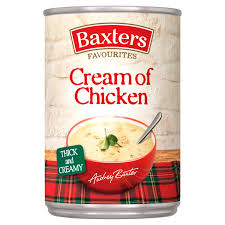
Canned, bottled, or jarred: Includes soups, vegetables, fruits, and sauces.
-
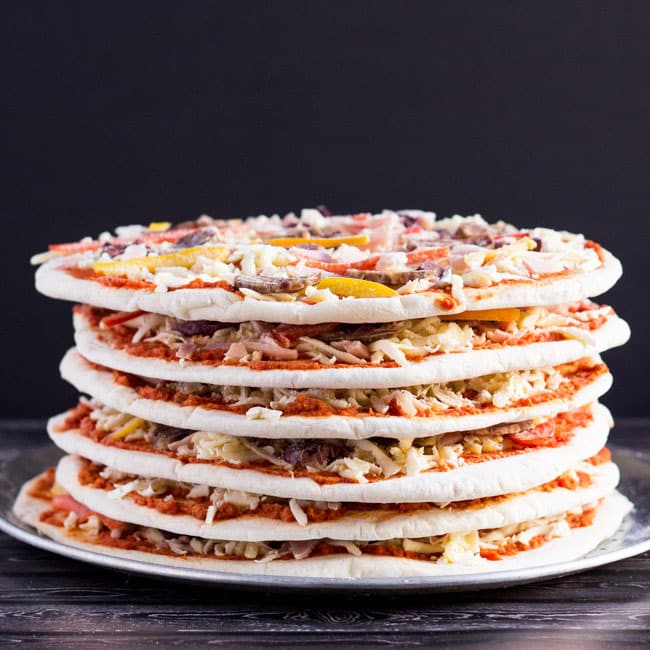
Frozen: Examples include vegetables, meat, fish, ready meals, and pizza.
-
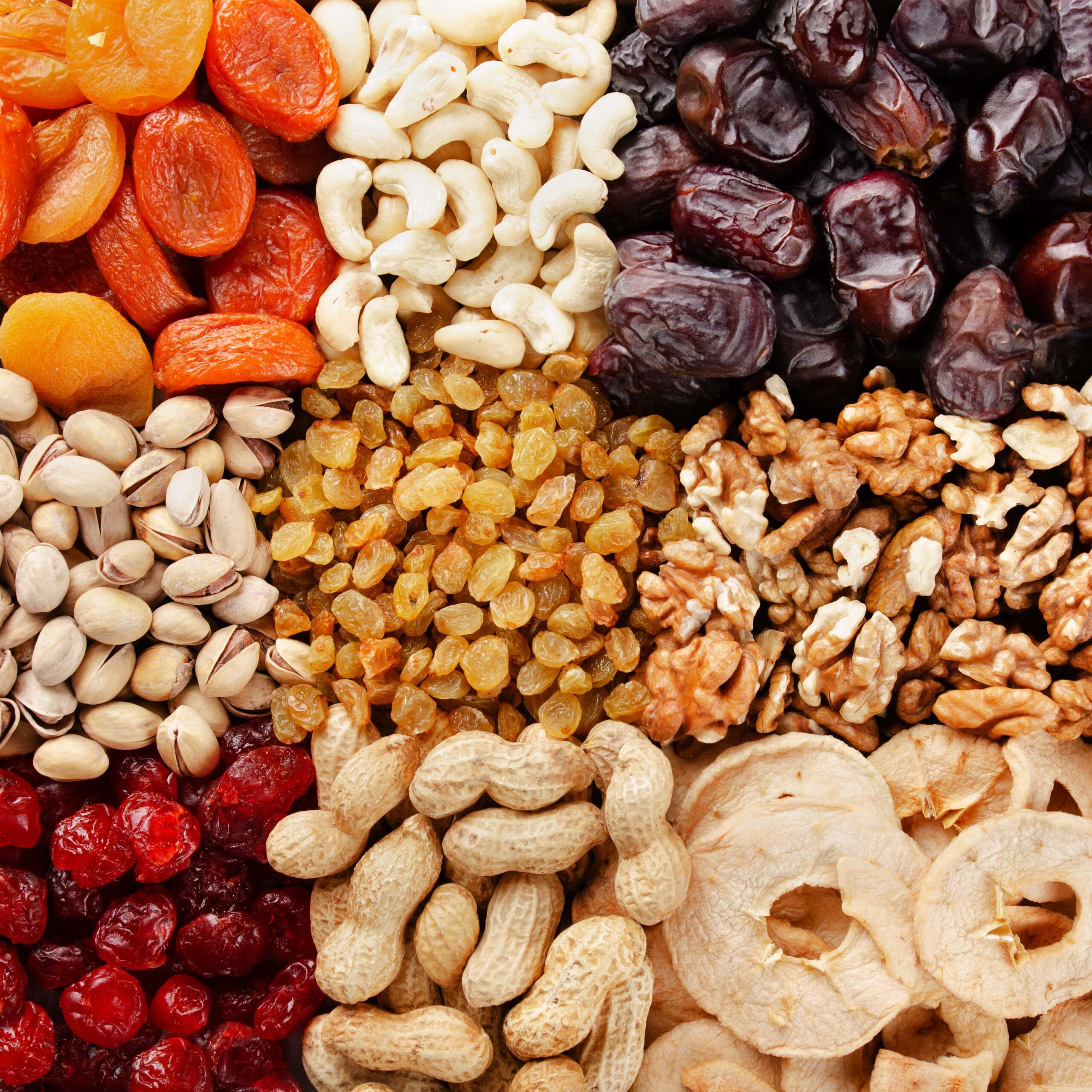
Dried: Foods like soups, noodles, sauces, and dried fruit.
-
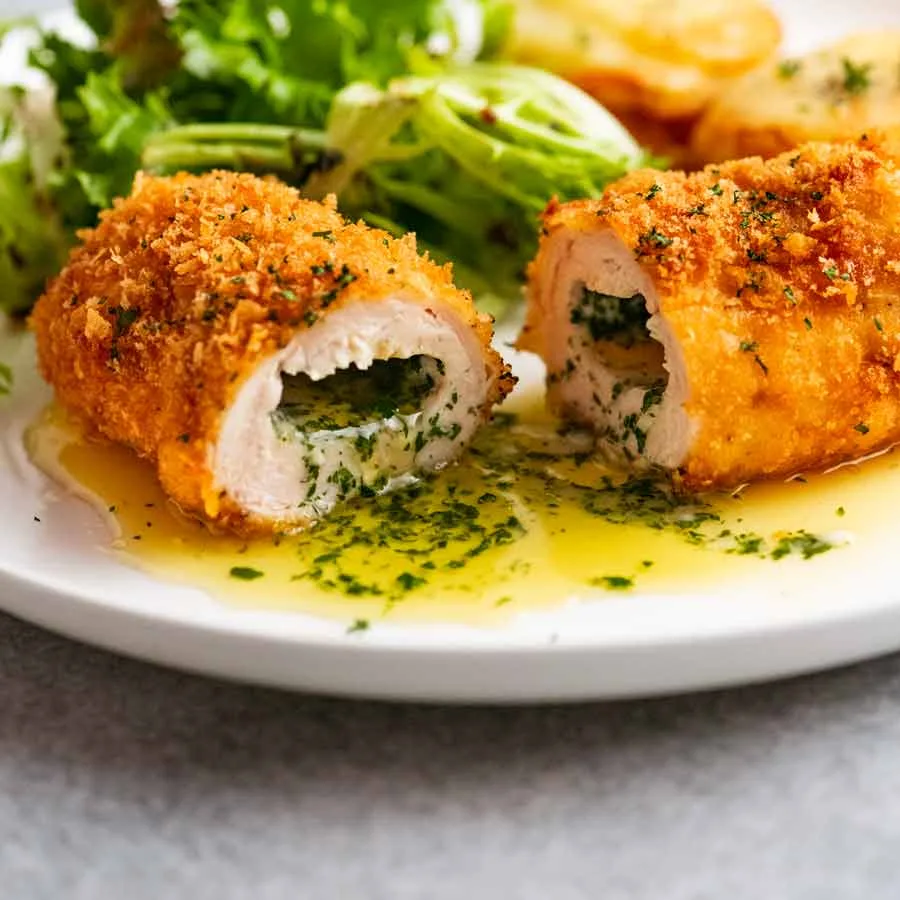
Ready-to-cook: Foods prepared for cooking but not yet cooked, such as chicken Kiev.
-
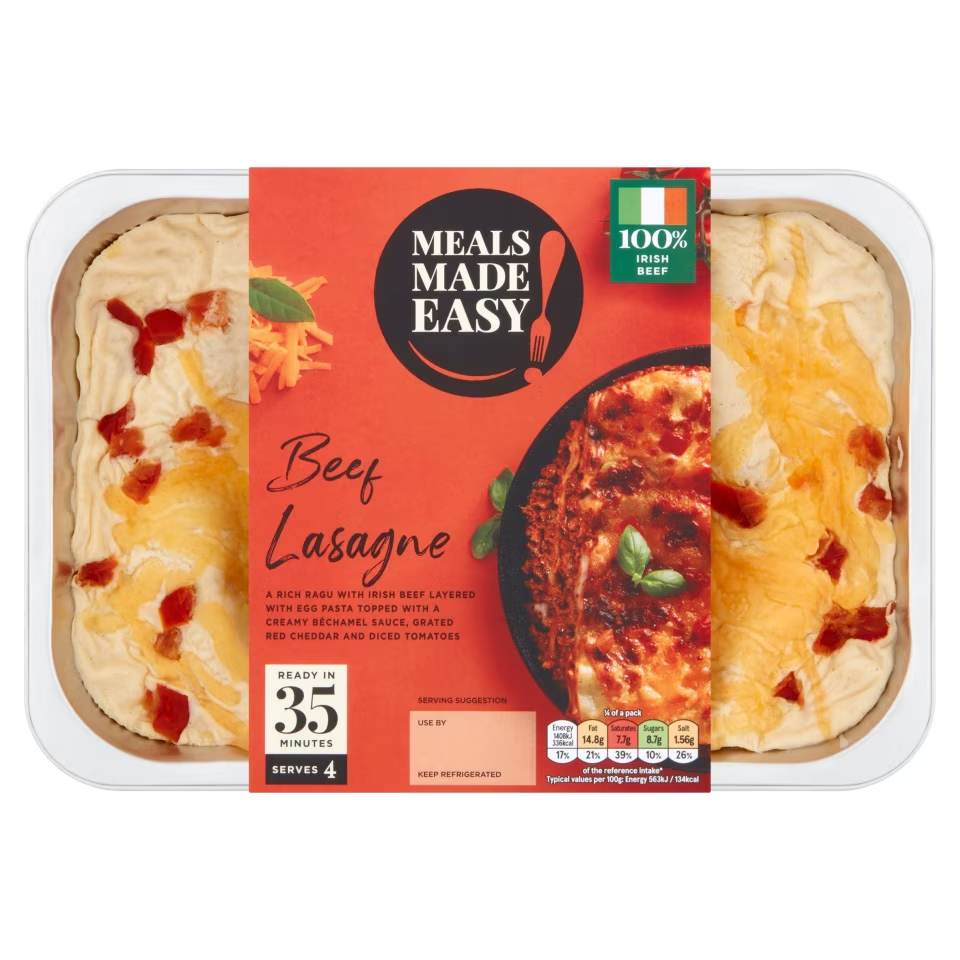
Cook-chill foods: Foods prepared, cooked, and chilled (just need reheating) like lasagna or mashed potatoes.
Advantages of Convenience Foods:
- Quick and easy to use (e.g., cartons of soup only require heating).
- Easy to store and stack (e.g., cans).
- Some are very nutritious (e.g., frozen vegetables).
- Last longer, reducing food waste.
- Cook-chill foods often come in individual portions, useful for those living alone.
Disadvantages of Convenience Foods:
- Expensive: Often costs more than fresh alternatives.
- Unhealthy additives: Some contain high levels of sugar or preservatives.
- Reduced nutrition: Processing (e.g., canning) can lower nutrient content, like vitamin C in fruits.
- Inferior quality: Taste, texture, and appearance may not match freshly cooked foods.
- Health risks: Cook-chill foods can cause food poisoning if not stored or reheated properly.