Classification of Fish (Junior Cert Home Economics): Revision Notes
📚Revision Notes
Classification of Fish
Fish can be grouped into three main types:
Note
White Fish
Low in fat, with most of the fat stored in the liver (often removed during processing).
- Plaice
- Cod
- Sole
- Hake

Note
Oily Fish
Contains healthy fats distributed throughout the flesh, rich in omega-3, which supports brain health and reduces cholesterol levels.
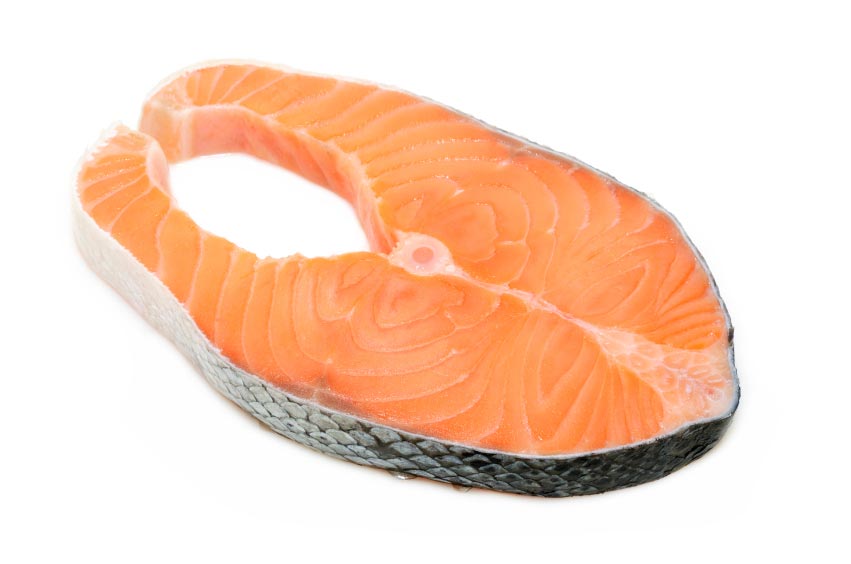
- Salmon
- Tuna
- Herring
- Mackerel
Note
Shellfish
Includes both crustaceans and molluscs, providing protein and minerals.
- Crab
- Lobster
- Oysters
- Prawn
- Mussels NB: Pregnant women should avoid shellfish because of the risk of food poisoning.

Average Composition of Fish
| Type | Protein | Fats | Carbohydrates | Minerals | Vitamins | Water |
|---|---|---|---|---|---|---|
| White | 17.5% | 0% | 0% | Iodine | B group | 80.5% |
| Oily | 18% | 16% | 0% | Iodine | A, B group, D | 65% |
| Shellfish | 16% | 3% | 0% | Iodine | A, B group | 78% |
Fish Shapes
- Fish can be either flat (e.g., plaice) or round (e.g., hake).
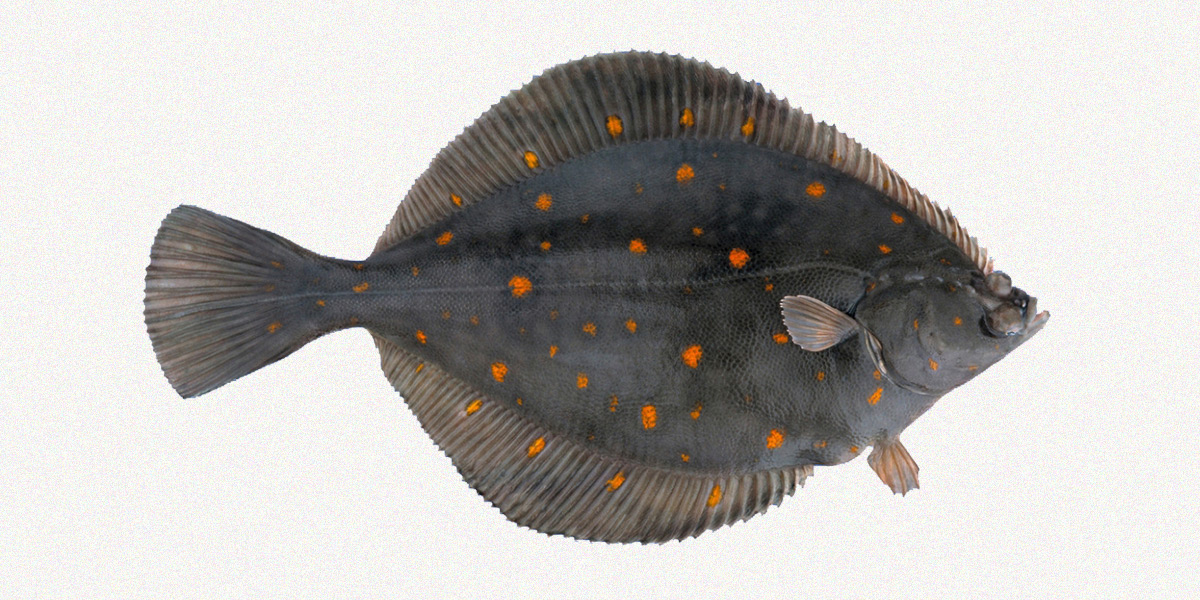
*Flat *
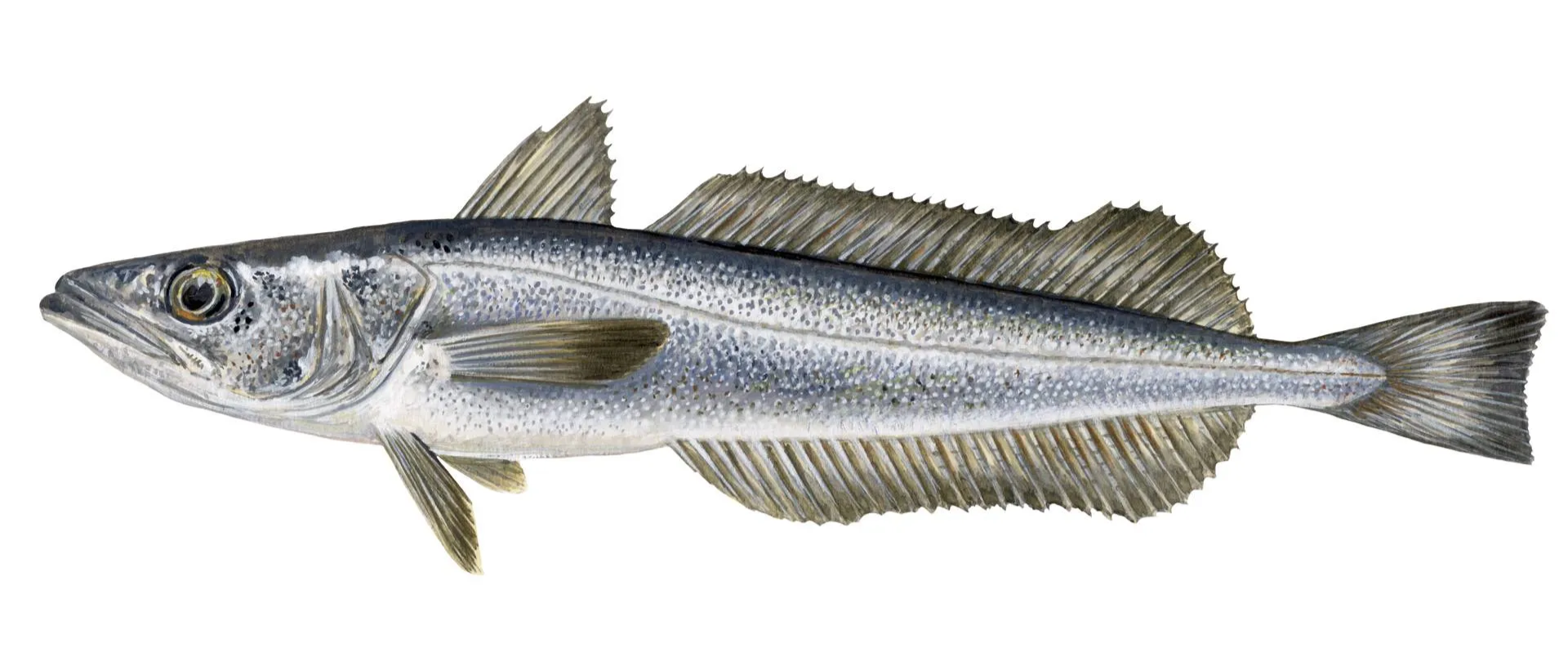
Round
Health Benefits of Fish
- Omega-3 Fatty Acids: Oily fish are a great source of omega-3, which is a type of unsaturated fat that supports brain health and reduces cholesterol.
- Minerals: Fish is a good source of iodine, which supports thyroid function.
- Vitamins:
- Vitamin A: Good for vision and immune health (found in oily fish and shellfish).
- B group vitamins: Important for energy and brain function.
- Vitamin D: Helps with calcium absorption and bone health (found in oily fish).