Guidelines for Buying, Storing, Preparing and Cooking (Junior Cert Home Economics): Revision Notes
📚Revision Notes
Guidelines for Buying, Storing, Preparing and Cooking Vegetables
Buying Vegetables
- In-season: Choose in-season for better quality and lower price.
- Quantity: Buy only what you can use to avoid waste (vegetables are perishable).
- Plastic-free: Buy loose to avoid plastic packaging, which is harmful for the environment.
- Check for quality: Avoid wilted, bruised, or mouldy vegetables.
Storing Vegetables
- Remove plastic wrapping: Prevents sweating and slows spoilage.
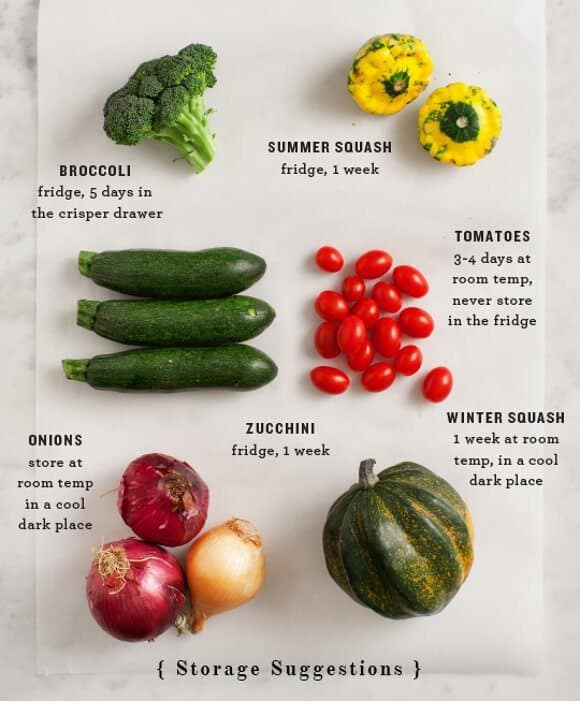
- Fridge storage: Most vegetables should be stored in the fruit and vegetable drawer in the fridge.
- Seal fresh items: Store peas, beans, and lettuce in sealed containers.
Preparing Vegetables
- Wash: Rinse in cold water and remove damaged parts.
- Minimal peeling: Peel thinly or avoid peeling if possible to avoid loss of nutrients in the skin.
- Use a sharp knife: Avoid nutrient loss and cook soon after cutting.
- Avoid steeping: Steeping can cause nutrient loss and lead to a soft texture.
Cooking Vegetables
- Eat raw when possible: Preserves nutrients.
- Minimal liquid: Use small amounts to retain vitamins.
- Steaming or roasting: Better than boiling to avoid nutrient loss.
- Al dente: Do not overcook; serve al dente.
Note
Al dente: Food that is cooked right through but is still firm to the bite. Cooking vegetables al dente means they are tender but still slightly crisp, which helps to retain their texture, flavour, and nutrients.
Note
Steeping Vegetables Steeping vegetables involves soaking them in hot water. It can result in nutrient loss and an undesirable, softened texture.
Note
Perishable: A perishable food is one that can spoil quickly if not stored properly.
Note
Why use a sharp knife to cut fruit and vegetables?
Using a sharp knife is important because:
- Prevents damage to cell walls: A sharp knife cuts cleanly, avoiding unnecessary crushing or bruising of the cell walls.
- Reduces nutrient loss: Minimising cell damage limits exposure to air, which slows oxidation and helps retain nutrients like Vitamin C.
- Preserves freshness: Clean cuts maintain moisture, flavour, and appearance, keeping food fresh and appetising.