Flame photometry (Edexcel GCSE Chemistry): Revision Notes
📚Revision Notes
Flame photometry
Note
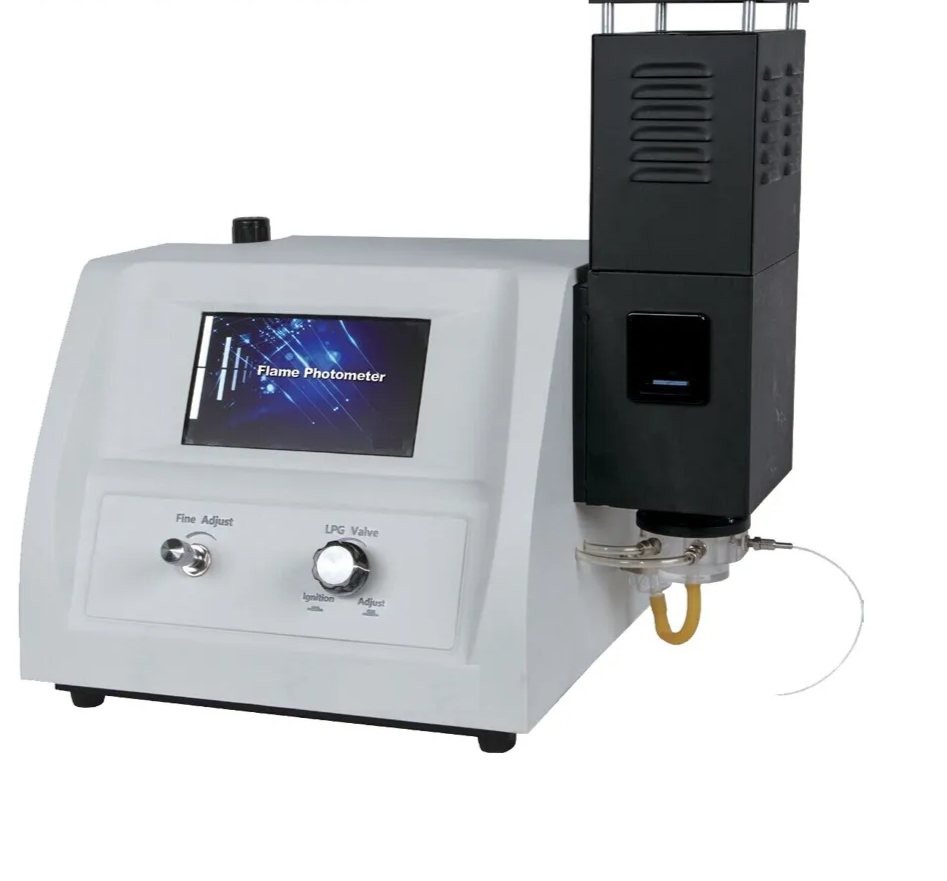
A flame photometer is an instrument used to identify metal ions and determine their concentration in a solution. This technique is especially useful for analysing small quantities of metal ions accurately.
How It Works
- Evaporation in a Flame: The sample solution is sprayed into a flame, where it is evaporated at high temperatures.
- Emission of Light: As the sample burns, it emits light with specific wavelengths.
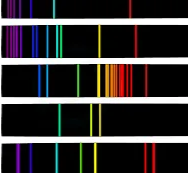
- Detection: A detector measures the light intensity emitted by the metal ions. Different metal ions produce light of different wavelengths, creating a unique spectrum.
Measuring Concentration
The concentration of a metal ion in a solution can be determined using a calibration curve. This curve is created by measuring the light emission of standard solutions with known concentrations.
By comparing the emission from the unknown sample to this curve, the concentration of the metal ion can be calculated precisely.
Identifying Metal Ions
- Each ion produces a unique line spectrum, which allows for identification of specific metal ions based on the position and pattern of lines.
- Flame photometry is more sensitive than simple flame tests, as it can detect multiple metal ions in mixtures, while flame tests can typically identify only a single metal ion at a time.
Advantages of Instrumental Analysis (e.g., Flame Photometry)
- High Sensitivity: Capable of detecting very small amounts of substances.
- Speed: The process can be automated, making it much faster than manual testing.
- Accuracy: Reduces the chance of human error, leading to more reliable results.