Guidelines for Storing and Cooking (Junior Cert Home Economics): Revision Notes
📚Revision Notes
Guidelines for Storing and Cooking
Storing Eggs
- Refrigerate: Store eggs in the fridge to slow bacterial growth and keep them fresh.
- Keep Away from Strong Odours: Eggs can absorb smells due to their porous shells, so keep them away from foods like onions.
- Separate Storage:
- If storing yolks separately, cover with water in the fridge.
- Store whites in an airtight container.
- Rotate Stock: Use eggs in order, starting with the ones closest to their use-by date.
Cooking Eggs
- Bring to Room Temperature: Take eggs out of the fridge before boiling to prevent cracking.
- Avoid Overcooking: Eggs will become tough and rubbery if overcooked, making them difficult to digest.
- Adding to Hot Mixtures: Slowly add eggs to hot mixtures to avoid curdling.
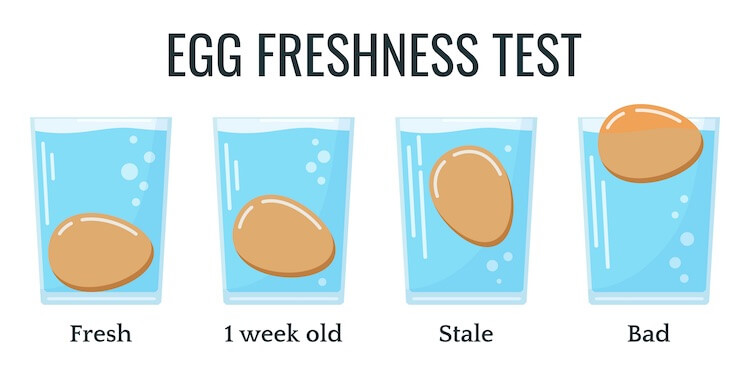
Testing Eggs for Freshness
- Fresh Egg: Sinks to the bottom of a glass of water and lies flat.
- 1 Week Old: Starts to tilt slightly upwards.
- 2–3 Weeks Old: Stands upright at the bottom.
- Very Old: Floats to the top, indicating it's no longer fresh.
Effects of Cooking on Eggs
- Protein Coagulates: Eggs firm up during cooking.
- Colour Change: Whites change from translucent (see-through) to opaque (solid).
- Bacteria Destroyed: Cooking kills harmful bacteria.
- Avoid Overcooking: Overcooked eggs become tough, and a green ring may form around the yolk due to iron and sulphur reactions.
- Boiling Times:
- Soft-boiled: Simmer for 3 minutes.
- Hard-boiled: Simmer for 5 minutes.