Guidelines for Buying and Storing (Junior Cert Home Economics): Revision Notes
📚Revision Notes
Guidelines for Buying and Storing
How Fish is Sold
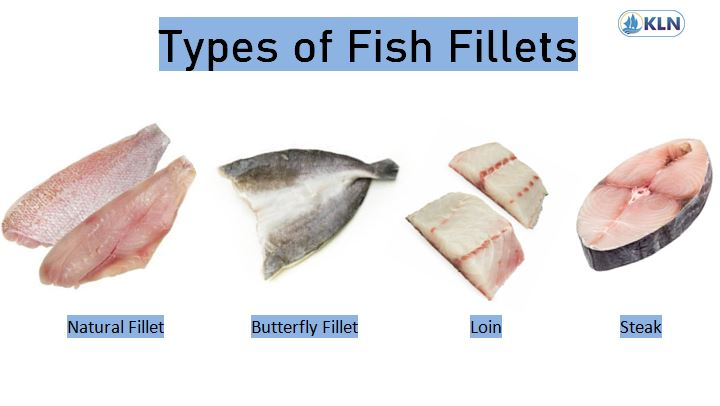
Fish is sold in different forms to suit various cooking methods:
- Whole: Includes small fish and shellfish sold as they are.
- Cutlets and Steaks: Large round fish can be cut into:
- Cutlets: Slices from the head end.
- Steaks: Slices from the tail end.
- Fillet: Flat or round fish with the bones removed.
Safe and Hygienic Practices for Buying Fish
Buying Fresh Fish
- Shop Clean: Buy from a hygienic shop.
- Check Freshness:
- Gills should be bright red or pink.
- Scales should be moist and unbroken.
- Eyes should be bulging, not sunken.
- Smell should be fresh, not fishy.
- Shellfish: Should have tightly closed shells.
Buying Frozen Fish
- Frozen Solid: Ensure fish is fully frozen and stored below the load line.
- Check Packaging: Packaging should be intact to maintain freshness.
Safe and Hygienic Practices for Storing Fish
Storing Fresh Fish
- Preparation: If bought loose, remove from packaging, rinse under cold water, place in a container to catch juices, and store on the bottom fridge shelf.
- Storage in Original Packaging: For packaged fish, keep it in its original packaging on the bottom shelf.
- Use Quickly: Fresh fish should be used within 24 hours.
- Avoid Strong Odours: Store fish away from foods that can absorb strong odours, like butter or milk.
- Freezing: If freezing, do it on the day of purchase.
Storing Frozen Fish
- Freezer Storage: Place frozen fish in the freezer immediately after purchase. Do not refreeze once thawed.
- Follow Instructions: Check packaging for use-by date and instructions on thawing and cooking.