Combustion of alcohols (Edexcel GCSE Chemistry): Revision Notes
📚Revision Notes
Combustion of alcohols
Alcohols as Fuels
Alcohols can be used as fuels because when they are burned, they release energy. This makes them useful in countries that may have limited access to oil but plenty of land and sunlight to grow crops like sugar cane, which can be fermented to produce ethanol, a type of alcohol that can be used as fuel.
Testing Alcohols as Fuels
Some alcohols are better fuels than others, meaning they release more energy when burned. To find out which alcohol is the most efficient fuel, we can test different alcohols by seeing how much they can heat a specific volume of water.
Note
Safety Precautions:
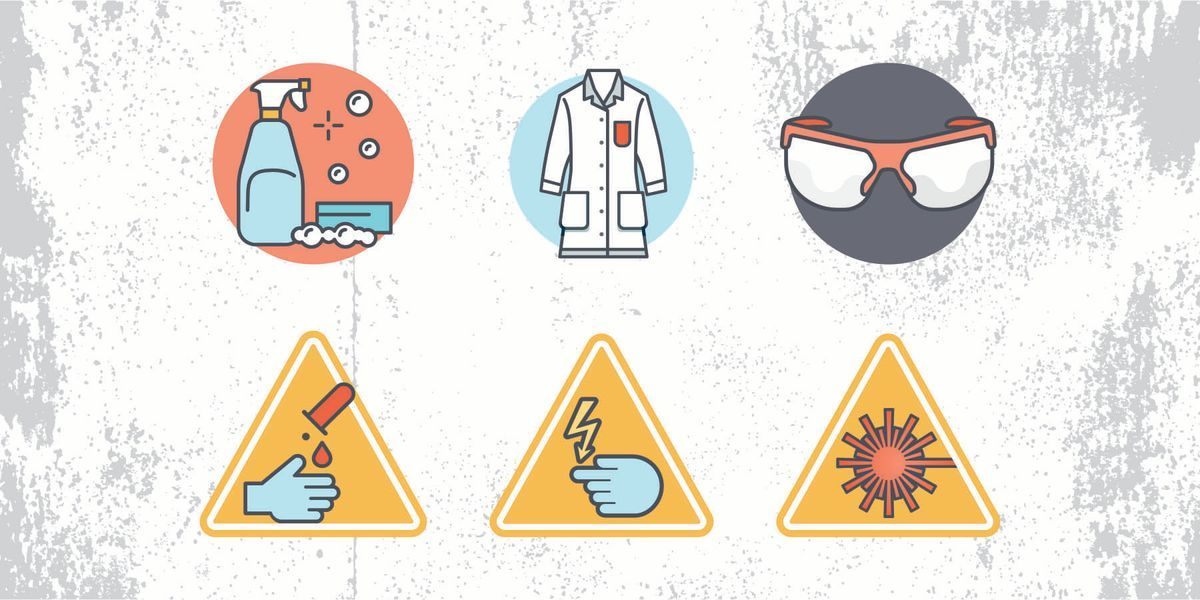
- Wear goggles: Alcohol can be hazardous if they come into contact with your eyes or skin.
- Highly flammable: Alcohols catch fire easily, so keep them away from open flames.
- Use tongs: The spirit burner gets very hot, so always handle it with tongs or let it cool down before touching it.
Controlling Variables in the Experiment:
To make the test fair, you need to keep certain things the same each time:
- Mass or volume of water: Use the same amount of water in each experiment.
- Height of the container: The distance between the flame and the container should be consistent.
- Size of the wick/flame: Keep the wick and flame size the same to ensure an even burn.
- Number of moles of alcohol: Make sure you are using the same amount of alcohol each time to compare results fairly.
Note
Steps to Test the Efficiency of Alcohols:
- Set up the spirit burner: Fill a spirit burner with alcohol and use a mass balance to weigh the burner and alcohol before starting.
- Measure water: Pour 100 cm³ of distilled water into a copper calorimeter (use the same container for each test).
- Insulate the setup: Use a draught excluder to prevent heat loss, and cover the calorimeter with an insulating lid after placing the thermometer inside.
- Initial temperature: Measure the starting temperature of the water.
- Heat the water: Place the spirit burner under the calorimeter and light the wick. Stir the water with the thermometer while it heats.
- Measure temperature rise: When the water's temperature has risen by 20°C, blow out the spirit burner.
- Reweigh the burner: Weigh the burner and alcohol again to see how much fuel was used.
- Repeat with different alcohols: Test other alcohols by repeating the same steps.
Analysing Results
The less fuel (alcohol) you need to raise the temperature of the water by a set amount (20°C), the better the fuel is.
Why? The longer the carbon chain in the alcohol, the more energy it releases when burned. This is because alcohols with longer chains have more bonds that can be broken to release energy.