Environment (AQA GCSE Design and Technology): Revision Notes
📚Revision Notes
Environment and new and emerging technologies
Manufacturing and new technologies can have significant effects on our environment, both positive and negative. Understanding these impacts helps us make better decisions about how we design, produce, and use products.
Continuous improvement in manufacturing
Technology is constantly evolving to make manufacturing processes better for the environment. This ongoing development focuses on improving quality, efficiency, and reducing both costs and environmental damage.
Continuous improvement can happen in several key areas:
Information services help manufacturers track and monitor their environmental impact more effectively. Better data collection allows companies to identify where they can reduce waste and energy consumption.
Manufacturing systems and machinery are becoming more sophisticated and environmentally friendly. Modern equipment often uses less energy and produces less waste than older alternatives.
Manufacturing scheduling and flow improvements ensure that production runs smoothly without unnecessary delays or waste. When processes are well-planned, less energy is wasted and fewer mistakes occur.
Product redesign allows manufacturers to create items that have less environmental impact throughout their entire lifecycle. This might involve using fewer materials, choosing more sustainable materials, or designing products that last longer.
Materials technology advances give manufacturers access to new substances that may be more environmentally friendly, recyclable, or require less energy to process.
The benefits of these improvements include products with reduced carbon footprints. However, it's important to note that replacing existing products too early can actually increase environmental impact due to increased transport use, finite resources being consumed, and more items ending up in landfill.
Important
Balance is Key: While continuous improvement reduces environmental impact, replacing existing products too early can actually harm the environment more due to increased transport, resource consumption, and landfill waste.
Efficient working practices
Efficiency measures how well we use our time and resources. In manufacturing terms, efficiency compares the actual time taken to make something against the theoretical minimum time needed.
Note
Understanding Efficiency: Efficiency in manufacturing is about maximising output while minimising input - whether that's time, energy, materials, or other resources.
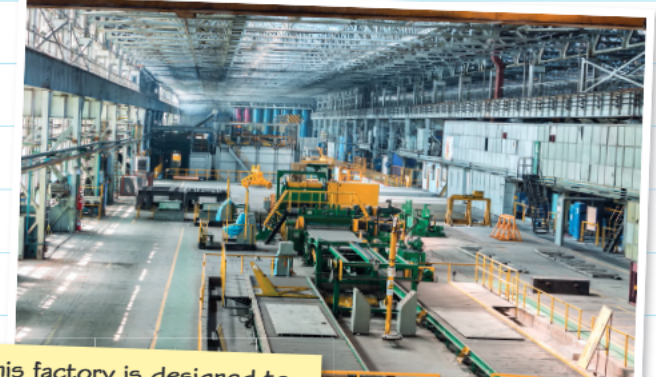 Several approaches help create more efficient manufacturing:
Lean manufacturing focuses on eliminating waste in all its forms. This includes reducing excess materials, unnecessary movements, and time spent waiting. By streamlining processes, manufacturers use less energy and create less waste.
Just in time (JIT) production means making products exactly when they're needed, rather than producing large batches in advance. This reduces the need for storage space and prevents products from becoming obsolete or damaged while waiting to be sold.
Improved transport infrastructure helps move materials and finished products more efficiently, reducing fuel consumption and emissions from delivery vehicles.
Redesigned factory layouts can minimise the distance materials need to travel within the production facility, saving time and energy.
Better quality assurance and control systems prevent defective products from being made, which avoids wasting materials and energy on items that cannot be sold.
These efficient working practices lead to fewer mistakes, lower costs, less stock being stored, and products made specifically to order. They also create more reliable supply chains, as breaks in the supply chain have less impact when systems are efficient.
Effective factory design
An effective factory layout is crucial for minimising environmental impact while maximising productivity. Good factory design should achieve several important goals.
Utilising floor space effectively means every area of the factory serves a purpose, reducing the overall building size needed and therefore the energy required for heating, lighting, and ventilation.
Reducing material handling minimises the energy needed to move raw materials and components around the factory. This also reduces the risk of damage and waste.
Reducing bottlenecks ensures that production flows smoothly without delays that waste energy and time. When one part of the process slows down, it can cause the entire system to become less efficient.
Ensuring work flows in a logical order prevents unnecessary back-and-forth movement of materials and workers, saving both time and energy.
Reducing hazards to workers creates a safer environment and prevents accidents that could damage equipment or create waste.
Providing sufficient space and capacity ensures the factory can operate at its intended efficiency level without overcrowding or equipment conflicts.
Note
Factory Design Impact: Poor factory design can waste up to 30% more energy than well-designed facilities, making layout optimisation a critical environmental consideration.
Pollution reduction through technology
Pollution refers to the release of harmful or contaminating substances into the natural environment. As new technologies develop, companies are increasingly using Life Cycle Assessments (LCAs) to identify ways to reduce pollution throughout a product's entire lifespan.
Note
Life Cycle Assessments (LCAs): These comprehensive evaluations examine environmental impacts from raw material extraction through manufacturing, use, and disposal, helping companies make informed decisions about reducing their environmental footprint.
There are several key strategies for reducing pollution in manufacturing:
Using renewable energy sources helps reduce the carbon dioxide released into the atmosphere during production. Solar, wind, and hydroelectric power create much less pollution than burning fossil fuels.
Ensuring waste can be reduced, reused, or disposed of safely prevents harmful materials from contaminating soil, water, or air. Modern manufacturing increasingly focuses on designing products and processes that generate less waste.
Making production energy efficient reduces the overall amount of power needed, which decreases pollution from power generation.
Governments can support these efforts by providing regulations, including carbon taxes that make polluting more expensive, or subsidies that make alternative energy sources more affordable for manufacturers.
Global warming and manufacturing
Manufacturing contributes significantly to global warming through carbon emissions from burning fossil fuels. As global manufacturing increases, so do these emissions, causing the Earth's surface temperature to rise.
The effects of global warming include rising sea levels, more unpredictable weather patterns and storms, widespread extinction of some species, and massive crop failures that could affect food security worldwide.
Important
Urgent Action Needed: Manufacturing accounts for a significant portion of global carbon emissions. Without immediate action to adopt cleaner technologies and renewable energy, the environmental consequences will become increasingly severe.
However, renewable energy sources and improved technologies have been developed to help slow down global warming. These include more efficient manufacturing processes, better energy storage systems, and cleaner alternatives to fossil fuels.
Manufacturers can help address global warming by investing in renewable energy, improving their energy efficiency, and designing products that have longer lifespans and lower environmental impacts throughout their use.
Summary
Key Points to Remember:
-
Continuous improvement in manufacturing technology helps reduce environmental impact through better systems, materials, and processes.
-
Efficient working practices like lean manufacturing and just-in-time production save energy and reduce waste while maintaining productivity.
-
Effective factory design minimises environmental impact by optimising space use, reducing material handling, and ensuring smooth workflow.
-
Pollution reduction can be achieved through renewable energy, waste reduction, and Life Cycle Assessments to guide decision-making.
-
Global warming is partly caused by manufacturing emissions, but new technologies and renewable energy sources offer solutions to reduce this impact.