12 – To Use Observation and Collection Methods to Carry Out a Qualitative Survey of the Species in an Ecosystem (LC 2027) (Leaving Cert Biology): Revision Notes
📚Revision Notes
12 – To Use Observation and Collection Methods to Carry Out a Qualitative Survey of the Species in an Ecosystem
What is a qualitative species survey?
A qualitative species survey involves identifying and recording the different types of organisms present in an ecosystem without necessarily counting exact numbers. This investigation teaches you how to use various observation and collection methods to study biodiversity in natural habitats.
Note
Unlike quantitative surveys that focus on counting exact numbers, qualitative surveys help you understand what species are present and their general distribution patterns within an ecosystem.
Ethical collection practices
Before collecting any organisms, you must follow important ethical and legal guidelines to protect ecosystems and wildlife. These practices are essential for responsible scientific investigation and help preserve natural habitats for future generations.
Important
Critical Ethical Guidelines
Always remember that responsible collection practices are not just recommended - they're essential for protecting wildlife and ecosystems for future generations.
General collection rules
- Follow the Countryside Code - always ask permission before entering private land, close gates, and never damage fences or leave litter
- Collect only when necessary - only take specimens if you absolutely cannot identify them in their natural habitat
- Minimise habitat disruption - return organisms to their exact location when possible and leave habitats as you found them
- Safety first - be aware of dangers such as thorns, stinging insects, bulls, aggressive dogs, deep water, and waves
- Respect wildlife - handle all organisms gently and with care
Important guidelines for specimen handling
When you do need to collect specimens, follow these practices:
- Only collect what you need for identification purposes
- Photograph organisms in their natural habitat when possible for later identification
- Store plant samples in labelled plastic bags to prevent damage
- Keep collected organisms in suitable containers with appropriate conditions
Note
Photography is often the best alternative to physical collection. High-quality photos can usually provide enough detail for species identification while leaving organisms undisturbed in their natural environment.
Plant collection methods
Plant specimens are relatively straightforward to collect compared to animals, but still require careful handling to avoid damage to both the specimen and the surrounding habitat:
- Breaking method - carefully break off a small piece of the plant, preferably including flowers and leaves, using a knife if necessary
- Digging method - for small garden plants, use a trowel to dig up small holes and collect entire specimens
- Storage - place all plant samples in clearly labelled plastic bags to prevent wilting and damage
- Documentation - record the exact location where each specimen was found
Note
When collecting plant specimens, try to take samples that include both reproductive structures (flowers or fruits) and vegetative parts (leaves and stems) as these provide the most information for accurate identification.
Animal collection devices and methods
Animals require specialised equipment for safe and effective collection. Here are the main devices you'll use, each designed for specific types of organisms and particular habitats:
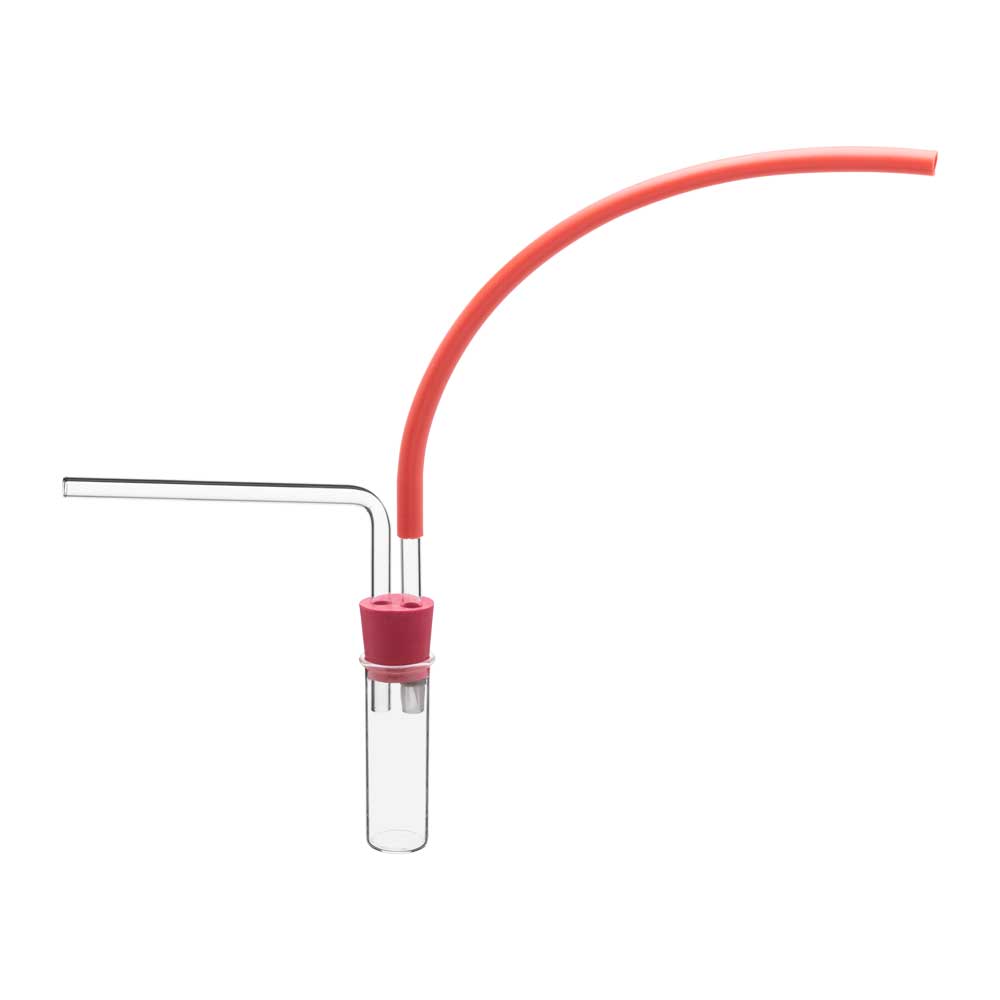
Pooter
- Purpose - collects small organisms by suction
- Method - suck air through the flexible tube to draw organisms into the collecting jar
- Best for - insects, spiders, and other small invertebrates
- Key feature - gauze or mesh prevents organisms from being sucked into your mouth
Example
Using a Pooter: Step-by-Step
-
Place the collecting end of the tube near the small organism
-
Suck gently through the mouthpiece tube
-
The organism will be drawn into the collection chamber
-
The gauze barrier protects you while the organism remains safe in the chamber
Beating tray
- Purpose - collects organisms living on plants
- Method - place the tray under a bush, hedge, or tree branch, then shake or beat the plant to knock organisms onto the tray
- Best for - insects, spiders, caterpillars, and other small creatures living on vegetation
- Tip - work quickly as many insects will try to escape immediately
Pitfall trap
- Purpose - captures crawling ground-dwelling organisms
- Method - dig a hole in soil or sand, place a container flush with ground level, and cover to prevent rain from entering
- Best for - crawling insects, snails, slugs, and ground beetles
- Important - check traps frequently and never leave them unattended for long periods
Important
Pitfall Trap Ethics
Never leave pitfall traps unattended for more than 24 hours. Trapped animals can become stressed, injured, or die if left too long. Always check local regulations before setting any traps.
Sweep net
- Purpose - catches flying or jumping organisms
- Method - sweep through long grass or along hedge edges in a smooth motion
- Best for - insects, spiders, and other small creatures in grassland areas
- Technique - use gentle, controlled movements to avoid damaging caught organisms
Plankton net
- Purpose - collects microscopic aquatic organisms
- Method - draw the net through water from a rock or boat
- Best for - plankton, small aquatic invertebrates, and microscopic life
- Location - use in ponds, streams, rivers, or coastal waters
Note
Plankton nets have very fine mesh designed to capture organisms that are invisible to the naked eye. The samples collected often need to be examined under a microscope for proper identification.
Tullgren funnel
- Purpose - extracts small organisms from soil samples
- Method - heat from a light bulb causes small organisms to move down through soil into a collecting jar
- Best for - centipedes, millipedes, small insects, and soil-dwelling creatures
- Process - organisms naturally move away from heat and light, falling into the collection container
Baermann funnel
- Purpose - collects organisms from wet soil samples
- Method - heat causes small organisms to move down and out of wet soil into a collecting jar through a rubber tube
- Best for - water snails, worms, and other moisture-loving creatures
- Setup - uses a clamp on the rubber tubing to control when organisms are released into the collection jar
Mammal trap
- Purpose - safely captures small mammals for study
- Method - bait is placed inside the trap, animals enter but cannot escape due to the trapdoor mechanism
- Best for - shrews, mice, and other small mammals
- Ethics - traps must be checked very frequently, and animals released immediately after identification
Important
Mammal Trap Safety
Mammal traps require the most frequent monitoring of all collection methods. Check every 2-3 hours during daylight hours and never leave overnight. Small mammals have high metabolic rates and can quickly become stressed or die in captivity.
Cryptozoic trap
- Purpose - attracts organisms that prefer dark, moist conditions
- Method - a piece of wood or stone is placed on the soil and left for some time to collect animals that prefer dark, moist conditions
- Best for - slugs, snails, woodlice, beetles, and other creatures that hide under objects
- Process - organisms naturally gather underneath the covering material
Note
Cryptozoic traps work by creating artificial microhabitats. The term "cryptozoic" literally means "hidden life," referring to organisms that live in concealed spaces like under rocks, logs, or leaf litter.
Identification and documentation
After collection, proper identification and documentation are crucial for scientific accuracy and reproducible results:
- Photograph specimens in good light conditions for clear identification
- Use identification keys and field guides to determine species
- Record habitat details including location, date, weather conditions, and surrounding environment
- Label everything clearly with collection date, location, and preliminary identification
- Store specimens appropriately until they can be properly identified and returned
Example
Documentation Checklist
For each specimen collected, record:
- Date and time of collection
- Exact location (GPS coordinates if available)
- Weather conditions during collection
- Habitat type and surrounding vegetation
- Collection method used
- Preliminary identification and confidence level
Summary
Key Points to Remember:
- Always follow ethical guidelines - respect wildlife and habitats by following the Countryside Code and collecting only when necessary for identification
- Choose the right tool - different collection methods work best for different types of organisms (pooters for small insects, sweep nets for grassland creatures, pitfall traps for ground-dwellers)
- Document everything - photograph organisms in their natural habitat when possible and keep detailed records of collection locations and conditions
- Handle with care - use gentle techniques to avoid harming organisms and return them to their exact habitat after identification
- Safety comes first - be aware of potential dangers in the environment and always work with a partner when possible