7 – To Investigate and Compare the Structures of Insect-Pollinated and Wind-Pollinated Plants (LC 2027) (Leaving Cert Biology): Revision Notes
📚Revision Notes
7 – To Investigate and Compare the Structures of Insect-Pollinated and Wind-Pollinated Plants
Aim of the investigation
This investigation allows you to examine and compare the structural differences between flowers that rely on different pollination methods. Understanding these differences helps explain how plants have adapted to attract specific pollinators or rely on wind for reproduction.
Safety considerations
Important
Before starting this investigation, it's essential to be aware of potential allergic reactions. Some flowers can cause allergic responses in sensitive individuals, so always check with your teacher about any plant allergies you may have. If you're unsure, wear gloves when handling flowers. Watch for any unusual skin irritation or reactions, and if you notice anything unexpected, inform your teacher immediately and wash your hands thoroughly after the investigation.
Types of flowers to examine
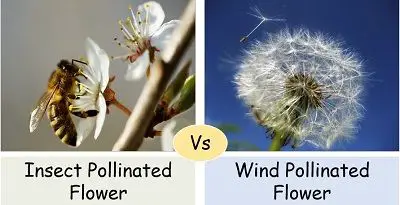
Wind-pollinated flowers
These flowers have adapted to release pollen into the air, relying on wind currents for pollination. Examples include:
- Grasses and cereals - often found in fields and meadows
- Plantain - common roadside weed
- Trees such as hazel, alder, birch, oak, and poplar
Note
Wind-pollinated plants typically produce enormous quantities of pollen because the chance of any individual pollen grain reaching a compatible stigma is very low. This is why many people experience hay fever during peak pollination seasons.
Insect-pollinated flowers
These flowers have evolved features to attract insects and other animal pollinators. Examples include:
- Common garden flowers like buttercups, roses, primroses, and tulips
- Larger flowering plants such as sunflowers
- Flowering shrubs like pyracantha
- Some trees including willow and rowan
Note
Insect-pollinated flowers have developed a mutual relationship with their pollinators - the flower provides nectar and pollen as food rewards, while the insect provides pollination services in return.
Investigation methodology
When selecting flowers for examination, choose specimens that are clearly distinguishable and avoid flowers with complicated structures like daffodils or daisies, as these can be difficult to analyse properly.
Example
Worked Example: Examining a Buttercup vs. Grass Flower
Buttercup examination:
- Count bright yellow petals (usually 5)
- Look for central cluster of stamens and pistils
- Check base of petals for nectar
- Note sticky pollen on stamens
Grass flower examination:
- Observe small, green, inconspicuous structures
- Note dangling anthers outside flower
- Check for feathery stigmas
- Observe light, powdery pollen
Step-by-step procedure
Step 1: Initial flower examination Use a magnifying glass to examine several flowers carefully. Count and identify the different parts, paying particular attention to the number of sepals and petals. Record the shape, size, and colour of these structures, as these features often indicate the flower's pollination strategy.
Step 2: Locate the reproductive structures Identify whether the stamens (male parts) and carpel (female part) are positioned inside or outside the petals. This positioning is crucial for determining how the flower achieves pollination.
Step 3: Check for nectaries Look for nectar-producing structures, which are usually located at the base of the petals. The presence or absence of nectaries is a key indicator of the flower's pollination method.
Step 4: Examine the pollen Using a microscope if available, observe the size and texture of the pollen grains. Note whether they appear sticky or smooth, as this affects how they are transported.
Step 5: Investigate stamen attachment Use fine forceps to gently remove a stamen and observe whether the anther (pollen-bearing part) is firmly or loosely attached to the filament (stalk). This affects how easily pollen is released.
Step 6: Examine the stigma Observe whether the stigma (receptive part of the female reproductive structure) is positioned inside or outside the petals, and note its structure and any sticky surfaces.
Step 7: Create detailed diagrams Place each flower on a white background and carefully cut it in half from base to tip using a sharp blade. Draw labelled diagrams showing the internal structure of each flower type.
Step 8: Classify the flowers Based on your observations and the structural features you've recorded, determine whether each flower examined is adapted for insect pollination or wind pollination.
Key features to observe and record
For wind-pollinated flowers, look for:
Note
Wind-Pollinated Flower Characteristics:
- Small, inconspicuous petals or absence of showy structures
- Exposed stamens that hang outside the flower
- Large amounts of light, dry pollen that can be carried by air currents
- Feathery or branched stigmas to catch airborne pollen
- Absence of nectar or strong scents
These features reflect the fact that wind-pollinated flowers don't need to attract animal pollinators - instead, they maximise pollen release and capture from air movements.
For insect-pollinated flowers, look for:
Note
Insect-Pollinated Flower Characteristics:
- Brightly coloured petals to attract pollinators
- Sweet scents or nectar to reward visiting insects
- Sticky, heavy pollen that adheres to insect bodies
- Stamens positioned to brush against visiting insects
- Landing platforms formed by petals to support pollinators
These adaptations work together to ensure that insects visit the flower and transfer pollen effectively between plants of the same species.
Analysis and conclusions
Compare your observations between the different flower types. Consider how each structural feature relates to the flower's pollination method. Think about why wind-pollinated flowers don't need bright colours or nectar, while insect-pollinated flowers invest energy in these attractive features.
The key insight from this investigation is understanding how form follows function in flower structure - each adaptation serves a specific purpose in ensuring successful reproduction.
Summary
Key Points to Remember:
- Wind-pollinated flowers have small, inconspicuous structures with exposed stamens and light, dry pollen
- Insect-pollinated flowers have bright colours, nectar, and sticky pollen to attract and reward animal pollinators
- The position of reproductive parts (inside vs outside petals) is crucial for determining pollination method
- Always handle flowers safely and be aware of potential allergenic reactions
- Detailed observation and accurate diagrams are essential for proper identification of pollination strategies