Culture (AQA GCSE Design and Technology): Revision Notes
📚Revision Notes
Culture in new and emerging technologies
Culture plays a crucial role in shaping how products are developed, manufactured, and marketed. Understanding cultural influences helps manufacturers create products that resonate with different groups of people and avoid potential conflicts or misunderstandings.
Note
Cultural influence extends across all aspects of product development - from initial design concepts through to marketing strategies and customer support approaches.
How fashion influences product development
Fashion represents the dominant style that characterises a particular time period. It has a significant impact across multiple industries, extending far beyond just clothing to include areas like makeup, furniture, and home décor.
The fast-paced nature of fashion creates both challenges and opportunities for manufacturers. Styles can change rapidly, sometimes within months, which means companies need to be incredibly responsive to stay relevant. Modern technology has made this responsiveness possible in several ways:
- Advanced manufacturing techniques allow companies to adapt their production lines quickly when new fashion trends emerge
- Mobile communication and social media platforms make it easier for people to discover and share new fashion ideas, spreading trends more rapidly than ever before
- Digital tools help manufacturers track what's popular and what's declining in real-time
Important
The speed of fashion change has accelerated dramatically with digital technology - what once took years to spread globally can now happen in weeks or even days through social media platforms.
To manage this complexity, many companies use Product Data Management systems. These computerised systems store and organise all information about a product's design and manufacturing process, making it accessible to everyone involved in production. This centralised approach helps teams coordinate their response to fashion changes more effectively.
Understanding trends and their impact
Trends differ from fashion in that they represent broader directions of development towards new or different approaches. While fashion might focus on specific styles, trends indicate where entire markets or consumer behaviours are heading.
Important
Key Difference: Fashion = specific dominant styles in a time period; Trends = general direction of development towards something new or different.
Companies use trend analysis to predict future demand and prepare their production accordingly. However, this prediction process involves careful consideration of lead times - the period between starting the design process and delivering the finished product to market. Different industries have varying lead times, so manufacturers must develop flexible systems that can adapt to changing demands.
Example
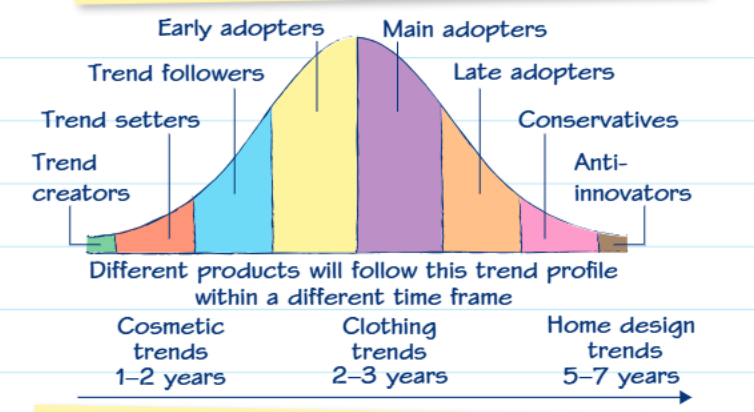
The Trend Adoption Lifecycle
The trend adoption process follows a predictable pattern across different consumer groups:
- Trend creators - Develop new ideas and concepts
- Trend setters - Help popularise and spread these concepts
- Trend followers - Embrace ideas as they gain wider acceptance
- Early adopters - Willing to try new things once proven viable
- Main adopters - The largest group representing general market acceptance
- Late adopters - More cautious, wait for widespread acceptance
- Conservatives - Resist trends until they become mainstream
- Anti-innovators - Actively oppose new developments
Timeframes by industry:
- Cosmetic trends: 1-2 years
- Clothing trends: 2-3 years
- Home design trends: 5-7 years
Understanding these timeframes helps companies plan their product development and marketing strategies effectively.
Considering faiths and beliefs
People from different cultural backgrounds often hold varying faiths and beliefs, which can be influenced by factors such as religion, politics, dietary choices, age, and gender perspectives. These beliefs shape how individuals view what is appropriate or inappropriate, right or wrong.
Manufacturers operating in global markets must research and understand their target audiences carefully. This cultural awareness helps ensure that:
- Products don't convey offensive images or messages that might alienate potential customers
- Materials and production methods align with the market's values and beliefs
- Workers' needs are respected, including requirements for religious breaks or specific clothing guidelines
- Marketing approaches are culturally appropriate and sensitive
Important
Avoiding Cultural Pitfalls: Failure to consider cultural sensitivities can result in product boycotts, negative publicity, and significant financial losses. Research is essential before entering new markets.
This consideration extends beyond avoiding offence - it's about creating products that genuinely connect with people's values and lifestyles.
What makes up culture
Culture encompasses the shared beliefs, customs, and practices of specific groups of people. It's shaped by numerous interconnected factors that influence how individuals and communities think, behave, and interact.
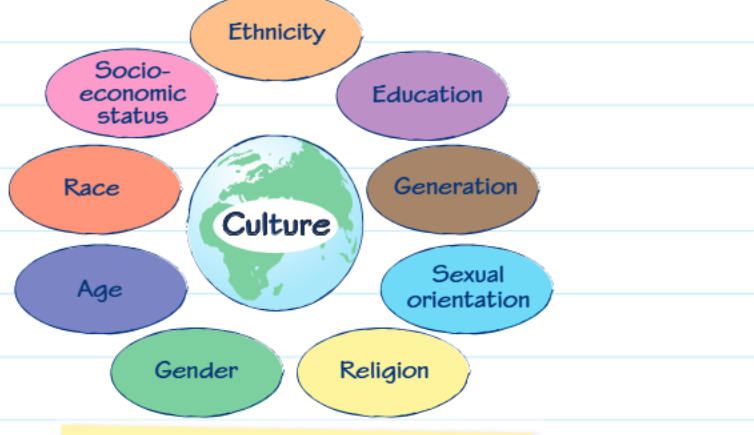 Cultural identity is influenced by multiple demographic and social factors including ethnicity, education level, generational differences, sexual orientation, religious beliefs, gender identity, age, race, and socio-economic status. These elements don't exist in isolation - they interact and combine to create unique cultural perspectives within different communities.
Note
Cultural Complexity: Culture isn't just about nationality or geography. Any group of people who share specific beliefs, practices, or characteristics can form a culture - including professional communities, hobby groups, or lifestyle-based communities.
Understanding this complexity is essential for manufacturers because it helps them recognise that culture isn't just about nationality or geography. A culture can be any group of people who share specific beliefs, practices, or characteristics. This might include professional communities, hobby groups, or lifestyle-based communities that cross traditional demographic boundaries.
Successful product development requires manufacturers to identify and understand the cultural groups they want to serve, then design and market products that align with those groups' values, needs, and preferences.
Summary
Key Points to Remember:
- Culture significantly impacts product development, influencing everything from design choices to marketing strategies
- Fashion and trends move at different speeds - manufacturers need flexible systems to respond quickly to changes while managing lead times effectively
- The trend adoption cycle follows a predictable pattern from creators to anti-innovators, with different timeframes for different product categories
- Cultural sensitivity is crucial when developing products for diverse markets - understanding faiths and beliefs helps avoid offence and create meaningful connections
- Culture is multifaceted, influenced by demographic, social, and lifestyle factors that combine to create unique group identities and preferences