Outputs (AQA GCSE Design and Technology): Revision Notes
📚Revision Notes
Electronic systems - outputs
Electronic systems work by following a simple three-stage process: they take an input, process that information, and then create an output. The output devices are the components that actually do something useful with the processed electronic signal, such as making sounds, producing light, or creating movement.
Note
Energy Conversion in Electronic Systems
Output devices are essentially energy converters - they transform electrical energy into other useful forms of energy like sound, light, heat, or mechanical movement. This conversion process is what makes electronic systems so versatile and useful in everyday applications.
Understanding output devices
Output devices convert electrical energy into other forms of energy that we can see, hear, or feel. When an electronic system processes an input signal, it sends electrical current to the output device, which then transforms this electrical energy into something useful.
Types of output devices
Speakers
Speakers are fascinating devices that turn electrical signals into sounds we can hear. They work using the principle of electromagnetism to create physical movement that produces sound waves.
 Inside a speaker, electrical current flows through a coil of wire, creating an electromagnet. This electromagnet interacts with a permanent magnet, causing the coil to move back and forth. The coil is attached to a cone-shaped piece of material, and as the coil moves, it makes the cone vibrate. These vibrations push air molecules, creating the sound waves that reach our ears.
Note
How Electromagnets Create Movement
The key to speaker operation is that electromagnets can create precise, controlled movement. When electrical current flows through the coil, it becomes magnetised and either attracts or repels the permanent magnet. By rapidly changing the direction and strength of the current, the coil moves back and forth in perfect sync with the audio signal.
The electrical signal that comes from the electronic system contains the pattern of the sound - whether it's music, speech, or any other audio. The speaker converts these electrical patterns into the corresponding sound patterns we can recognise and understand.
Buzzers
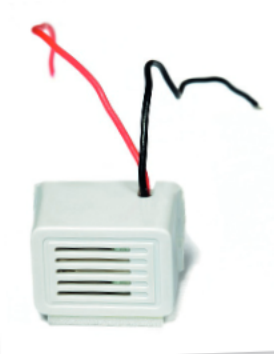
Buzzers are simpler sound-making devices that create warning sounds or alerts. Unlike speakers that can produce complex sounds and music, buzzers typically make a single tone or buzzing noise.
 A buzzer works by using electromagnets to create rapid vibrations. Inside the buzzer, there are electromagnets that can be switched on and off very quickly. When the electromagnets turn on and off repeatedly, they cause a thin metal disc to vibrate between two magnetic poles. This vibration of the metal disc creates the characteristic buzzing sound.
Note
Practical Applications of Buzzers
Buzzers are ideal for situations where you need a simple, attention-grabbing sound. They're commonly used in smoke detectors, car reversing alarms, electronic timers, and computer error notifications. Their simplicity makes them very reliable and cost-effective for alert systems.
Lamps and light bulbs
Traditional lamps produce light by converting electrical energy into heat and light energy. Understanding how they work helps explain the principles behind many lighting systems.
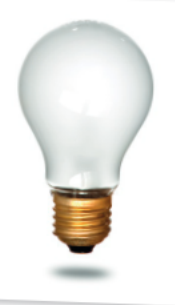 Inside a typical lamp, there's a very thin wire called a filament, often made from a metal like tungsten. When electrical current flows through this filament, the metal offers resistance to the flow of electricity. This resistance causes the filament to heat up significantly - so much that it becomes white-hot and glows brightly, producing the light we see.
Important
Energy Efficiency Consideration
Traditional incandescent bulbs are quite inefficient because they convert most of the electrical energy into heat rather than light. Only about 10% of the energy actually becomes visible light, while 90% is wasted as heat. This is why they feel hot to touch and why more efficient alternatives like LEDs are becoming more popular.
The filament needs to be made from a material that can withstand extremely high temperatures without melting or breaking. Tungsten is perfect for this because it has a very high melting point and can glow brightly when heated by electrical current.
Light-emitting diodes (LEDs)
LEDs represent a much more modern and efficient approach to producing light. They work completely differently from traditional lamps and offer many advantages.
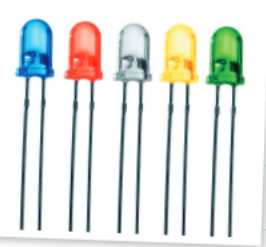 An LED is a special type of electronic component that gives off light when electricity passes through it. Unlike traditional bulbs that waste a lot of energy as heat, LEDs convert electrical energy directly into light with very little heat produced. This makes them much more energy-efficient.
LEDs are available in many different colours - red, blue, green, yellow, white, and many others. They're increasingly replacing traditional bulbs in cars, homes, and electronic devices because they last much longer and use less power.
Important
LED Polarity is Critical
One important thing to remember about LEDs is that they have polarity - they only work when connected the right way around in a circuit. The positive side is called the anode, and the negative side is called the cathode. If you connect an LED backwards, it won't light up and could potentially be damaged.
LEDs can also be grouped together in clusters to provide more light when needed. Even if one LED in a group stops working, the others can continue to function, making LED lighting systems very reliable.
Circuit symbols and practical applications
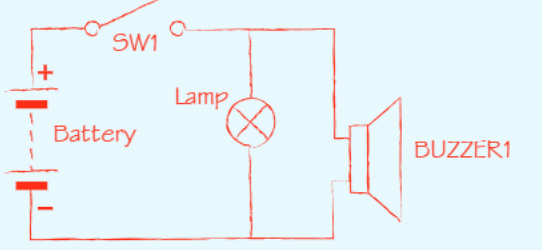
Each output device has its own standard symbol used in circuit diagrams. Learning these symbols helps you read and draw electronic circuits correctly.
Note
The Power of Electromagnets in Electronics
Understanding how electromagnets work is crucial for many output devices. Electromagnets can create movement from electrical signals, and this movement can be used to produce sound (in speakers and buzzers) or to control other mechanical systems. The key advantage of electromagnets is that they can turn on and off instantly by controlling the electrical current, and they can attract or repel magnetic materials when needed.
Summary
Key Points to Remember:
- Electronic systems convert inputs into outputs through a process stage - outputs are what actually do the useful work
- Speakers use electromagnets and moving cones to convert electrical signals into sound waves we can hear
- Buzzers create simple alert sounds by using electromagnets to vibrate a metal disc rapidly
- Traditional lamps produce light by heating a tungsten filament until it glows white-hot
- LEDs are highly efficient light sources that come in many colours and must be connected with correct polarity (anode positive, cathode negative)