Materials properties (AQA GCSE Design and Technology): Revision Notes
📚Revision Notes
Materials Properties
Understanding Materials and Their Characteristics
When designing and creating products, engineers and designers must carefully choose the right materials for each component. Every material has unique characteristics that determine how it will perform in different situations. These characteristics are called properties, and understanding them is essential for making smart material choices.
Materials have two main types of properties: physical properties and working (mechanical) properties. Let's explore each type in detail.
Note
The success of any product depends heavily on selecting materials with the right combination of properties. A material that works perfectly in one application might be completely unsuitable for another, even if they seem similar at first glance.
Physical Properties
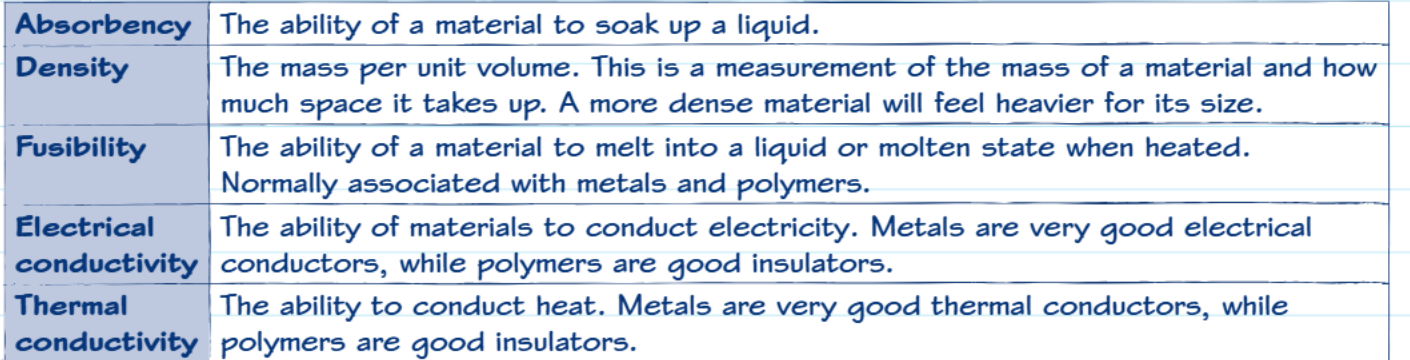
Physical properties are characteristics that you can observe or measure without changing what the material is made of. Think of these as the basic features that make each material unique.
Important
Physical properties can be measured and observed without altering the chemical composition of the material. This means you can test these properties without destroying or permanently changing the material.
Absorbency
This describes how well a material can soak up liquids. Sponges have high absorbency because they can hold lots of water, while plastic has low absorbency because water just rolls off it. This property is crucial when choosing materials for items like towels, packaging, or waterproof clothing.
Density
Density tells us how much mass a material has in a given space. Materials with high density feel heavy for their size (like lead), while low-density materials feel light (like foam). This property affects whether objects will float, how much they weigh, and how much space they take up.
Fusibility
This property describes how easily a material melts when heated. Some materials like chocolate melt easily at low temperatures, while others like steel need extremely high temperatures. This is particularly important when working with metals and polymers in manufacturing processes.
Electrical Conductivity
This measures how well electricity can flow through a material. Metals like copper are excellent electrical conductors, making them perfect for electrical wires. Polymers (plastics) are generally good insulators, which is why they're used to cover electrical cables for safety.
Thermal Conductivity
Similar to electrical conductivity, this describes how well heat travels through a material. Metals conduct heat very effectively, which makes them ideal for cooking pans and radiators. Polymers are poor heat conductors, making them excellent for insulation and handles on hot items.
Working and Mechanical Properties
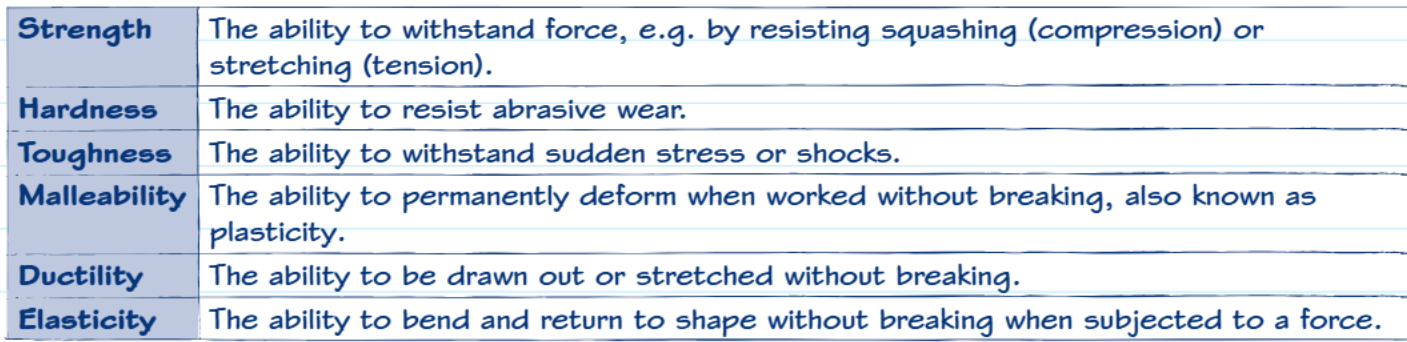
Mechanical properties describe how materials respond when forces are applied to them. These properties determine whether a material will break, bend, or change shape under stress.
Note
Understanding mechanical properties is crucial for safety. A material that fails under stress in a critical application could lead to dangerous situations, structural collapse, or equipment failure.
Strength
Strength measures how well a material can resist forces without breaking. There are different types of strength - some materials resist squashing (compression), while others resist being pulled apart (tension). Strong materials are essential for structural components like building frames and bridge supports.
Hardness
This property describes how well a material resists being scratched, dented, or worn away. Diamond is extremely hard, while butter is very soft. Hardness is important for tools, cutting implements, and surfaces that need to resist wear.
Toughness
Toughness is the ability to absorb sudden impacts or shocks without breaking. A tough material might bend or deform but won't shatter. This property is vital for safety equipment, protective gear, and components that might experience sudden impacts.
Malleability
Malleable materials can be hammered, pressed, or worked into new shapes without breaking. Gold is famously malleable, allowing jewellers to shape it into intricate designs. This property is also called plasticity and is essential for manufacturing processes like forging and pressing.
Ductility
Ductile materials can be stretched or drawn out into thin shapes like wires without breaking. Copper's ductility makes it perfect for electrical wiring. This property is crucial for manufacturing processes that involve pulling or stretching materials.
Elasticity
Elastic materials can bend or stretch and then return to their original shape when the force is removed. Rubber bands demonstrate excellent elasticity. This property is important for springs, flexible components, and anything that needs to absorb movement and return to its original form.
Real-World Applications
Understanding how properties influence material selection is crucial for successful design and manufacturing. Let's examine some practical examples that demonstrate these principles in action.
Example
Practical Application: Electrical Cable Coverings
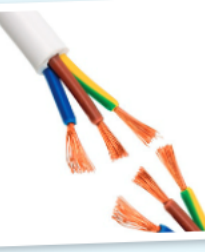 Electrical cables use polyvinyl chloride (PVC) for their outer covering for several important reasons:
Step 1: Electrical Safety PVC provides excellent electrical insulation, protecting users from dangerous electrical currents.
Step 2: Installation Benefits It's easy to handle and strip when installing cables, making electricians' work safer and more efficient.
Step 3: Environmental Protection PVC offers good chemical resistance, protecting the internal wires from environmental damage like moisture, chemicals, and physical abrasion.
Step 4: Fire Safety While PVC will burn if exposed to fire, it has self-extinguishing properties, meaning it stops burning when the flame source is removed, which improves safety.
Example
Practical Application: Copper Pipes in Plumbing
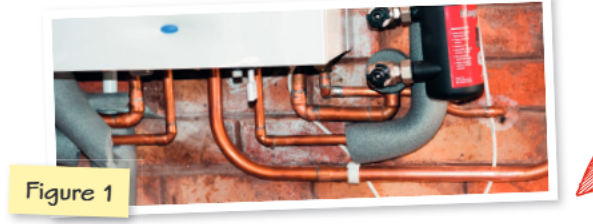 Copper is commonly chosen for domestic water pipes because of its specific properties:
Thermal Properties Its excellent thermal conductivity makes it ideal for both hot and cold water systems, allowing efficient heat transfer in heating systems.
Health and Safety Copper is non-permeable, meaning it won't absorb water or other substances that could contaminate the water supply. This property keeps the water clean and safe to drink.
Installation Advantages Copper can be bent and shaped (malleability) without breaking, making it easier for plumbers to install pipes around corners and through tight spaces in buildings.
Summary
Key Points to Remember:
- Physical properties can be observed without changing the material's composition, while mechanical properties describe how materials respond to forces
- Metals are excellent conductors of both electricity and heat, making them ideal for wires, pipes, and heat transfer applications
- Polymers are good insulators, which is why they're used for electrical cable coverings and thermal insulation
- Material selection depends on matching properties to function - always consider what the material needs to do in its intended application
- Different properties work together - successful products often rely on multiple properties working in combination to achieve the desired performance