Natural timbers (AQA GCSE Design and Technology): Revision Notes
📚Revision Notes
Natural timbers
Natural timber is one of the most important materials in design and technology, coming directly from trees that have been carefully processed for various applications. Understanding the different types of timber and their unique properties is essential for selecting the right material for any project.
Understanding tree structure
Before exploring different timber types, it's helpful to understand how trees grow and develop their structure. Trees add new growth layers each year, creating the distinctive patterns we see in wood.
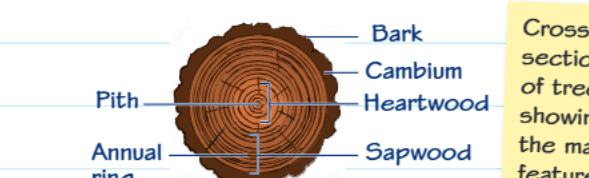 The cross-section of a tree reveals several important layers that affect the timber's properties. The outer bark protects the tree, while the cambium layer is where new growth occurs. The sapwood carries nutrients and water, appearing lighter in colour, while the darker heartwood in the centre provides structural support. The annual rings show each year's growth and create the grain patterns we see in finished timber.
Note
Tree Anatomy and Timber Quality
The different layers of a tree directly influence the quality and appearance of the final timber product. The sapwood is typically lighter and less durable than heartwood, while the annual rings create the characteristic grain patterns that make each piece of timber unique.
Hardwoods vs softwoods
Natural timbers are classified into two main categories based on the type of tree they come from, each with distinct characteristics that make them suitable for different applications.
Hardwoods
Hardwood trees have several distinguishing features that affect the timber they produce. These trees typically have broad, flat leaves and produce seeds within fruits or nuts. Most hardwoods are deciduous, meaning they shed their leaves annually during winter months. This seasonal cycle contributes to their slow growth pattern, often requiring over 100 years to reach a size suitable for timber harvesting.
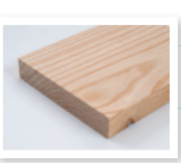 The slow growth of hardwoods creates dense, strong timber with excellent durability. However, this also makes hardwood timber more expensive due to the long growing time required. Many hardwood forests in Britain were harvested long ago, making natural hardwood even more valuable today.
Important
Why Hardwoods Are Expensive
The primary reason hardwoods cost significantly more than softwoods is their extremely slow growth rate. Taking over 100 years to mature means fewer trees are available for harvest, and replacement takes generations. This scarcity, combined with superior strength and durability, drives up market prices.
Key hardwood examples
Mahogany is a premium tropical hardwood known for its exceptional strength and durability. Its uniform structure makes it highly workable, allowing for precise cuts and smooth finishes. The rich, warm colour and attractive grain make it ideal for high-quality furniture projects, though its tropical origin and rarity make it quite expensive.
Example
Worked Example: Mahogany for Furniture Making
Properties: Premium tropical hardwood with uniform structure Key advantages: Exceptional strength, easy to work, attractive grain Best applications: High-quality furniture, cabinet making, interior joinery Considerations: Expensive due to tropical origin and rarity Typical uses: Dining tables, wardrobes, decorative panels
Beech offers excellent strength and toughness with a close, even grain that resists splintering. This makes it particularly valuable for applications requiring smooth surfaces and precise edges, such as kitchen utensils, toys, and chair components. While more expensive than softwoods, beech provides reliable performance for detailed work.
Ash combines strength with flexibility, featuring an attractive, light-colored grain that runs relatively straight. This combination of properties makes it excellent for furniture construction and sporting goods like baseball bats, where both strength and shock absorption are important.
Oak represents one of the strongest and most durable hardwoods available. Its impressive strength allows it to support heavy loads, making it historically important for house construction and barrel-making. While expensive, oak's longevity often justifies the initial investment for structural applications.
Balsa demonstrates that not all hardwoods are dense and heavy. Despite being classified as a hardwood, balsa is remarkably lightweight and easy to cut. However, this softness makes it too weak for construction work, limiting its use to specialised applications like model-making and boat construction where weight is more important than strength.
Softwoods
Softwood trees have needle-like leaves and typically remain evergreen throughout the year, keeping their foliage during winter months. Their seeds develop in cones rather than fruits, giving them the alternative name "coniferous" trees.
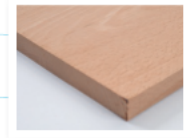 The key advantage of softwoods lies in their rapid growth rate. These trees can be ready for harvesting in approximately 30 years, making them much more economical than hardwoods. This quick renewal cycle makes softwood timber significantly cheaper and more readily available for various projects.
Note
Softwood Growth Advantage
The 30-year growth cycle of softwoods compared to 100+ years for hardwoods creates a sustainable and economical timber supply. This rapid renewal means forests can be managed responsibly while keeping costs low for consumers and manufacturers.
Key softwood examples
Pine offers good strength characteristics while remaining lightweight and generally affordable. Its attractive grain patterns make it suitable for interior construction work, though it can be prone to warping and splitting under certain conditions. Pine works well for projects where appearance matters but extreme durability isn't critical.
Example
Worked Example: Pine for Interior Construction
Properties: Lightweight softwood with attractive grain Key advantages: Good strength-to-weight ratio, affordable, readily available Best applications: Interior joinery, furniture frames, general construction Considerations: Can warp and split, not suitable for exterior use without treatment Typical uses: Floorboards, window frames, kitchen cabinets
Larch provides superior hardness and toughness compared to most other softwoods. The heartwood contains natural resins that act as preservatives, helping resist decay and insect damage. While it may twist slightly with humidity changes, larch excels in outdoor applications like cladding where weather resistance is important.
Spruce features straight, even grain with small knots and good strength properties. However, it offers limited resistance to moisture and rot, making it best suited for indoor applications. When treated with preservatives, spruce works well for furniture, interior joinery, and other protected environments.
Seasoning process
Freshly cut timber contains high levels of moisture that must be reduced before the wood can be used effectively. Seasoning is the controlled process of removing this excess moisture, allowing the timber to become more stable and workable.
Important
Why Seasoning Is Essential
Proper seasoning prevents warping, cracking, and dimensional changes that would otherwise occur as the wood naturally dries. This process also makes the timber easier to cut, shape, and join, while improving its ability to accept finishes and adhesives. Using unseasoned timber can result in project failure as the wood continues to shrink and move.
Choosing the right timber
Selecting appropriate timber requires balancing several factors including strength requirements, appearance preferences, environmental conditions, and budget constraints. Hardwoods generally offer superior durability and attractive appearance but come with higher costs and longer lead times. Softwoods provide economical solutions for many applications while offering adequate performance for less demanding uses.
Consider the intended environment when selecting timber. Outdoor applications benefit from naturally resistant species like larch or require additional preservation treatments. Indoor projects allow for a wider range of choices, including softer species that might not survive exterior exposure.
The working properties of different timbers also influence selection. Some species cut and shape easily while others require specialised tools or techniques. Project complexity and available equipment should factor into timber selection decisions.
Note
Key Selection Factors
When choosing timber for any project, consider these essential factors in order of importance: the intended use and environment, required strength and durability, available budget, desired appearance, and your ability to work with the chosen material effectively.
Summary
Key Points to Remember:
- Hardwoods come from broad-leafed, usually deciduous trees that grow slowly over 100+ years, making them strong but expensive
- Softwoods come from needle-leafed, usually evergreen trees that grow quickly in about 30 years, making them affordable and readily available
- Seasoning removes moisture from timber to make it stable and workable - this is essential before use
- Different timber species have unique properties that make them suitable for specific applications - match the wood to the job requirements
- Consider cost, durability, appearance, and working properties when selecting timber for any project