Nuclear power (AQA GCSE Design and Technology): Revision Notes
📚Revision Notes
Nuclear power
Nuclear power is a method of generating electricity that harnesses energy stored within uranium atoms. This energy gets released through a process called nuclear fission inside a reactor, creating heat energy that can be converted into electrical power.
Note
Nuclear fission is the process where uranium atoms split apart, releasing enormous amounts of energy in the form of heat. This controlled splitting reaction is what makes nuclear power possible.
How nuclear power plants work
The process of generating electricity from nuclear energy follows a clear sequence of energy transformations. When uranium atoms undergo fission in the reactor core, they release tremendous amounts of heat energy. This intense heat is used to convert water into high-pressure steam, which then flows through pipes to rotate large turbines. These spinning turbines are connected to electrical generators that convert the mechanical rotation into electrical energy that can be distributed through power grids.
Note
The Energy Density of Nuclear Fuel
The efficiency of nuclear fuel is remarkable - just one kilogramme of uranium can produce energy equivalent to two or three million times the same amount of oil or coal. This makes nuclear power incredibly energy-dense compared to fossil fuels.
Benefits of nuclear power
Nuclear power offers several significant advantages as an energy source. Unlike fossil fuel power plants, nuclear facilities don't release carbon dioxide or other greenhouse gases during electricity generation, making them environmentally friendly in terms of climate change. They also provide consistent, reliable power output that doesn't depend on weather conditions like wind or solar energy sources.
Nuclear power plants require relatively small amounts of land compared to other energy sources. Additionally, the compact nature of nuclear fuel means there's much less waste material to transport, reducing pollution from transportation activities. Nuclear power also helps reduce our dependence on finite fossil fuel resources like oil and gas.
Note
Land Use Efficiency
Wind farms would need approximately 360 times more land area to generate the same amount of energy as a nuclear facility. This remarkable efficiency in land use makes nuclear power particularly valuable in densely populated areas.
Challenges and risks of nuclear power
Despite its benefits, nuclear power comes with serious concerns that must be carefully managed. The most significant worry is the potential for nuclear accidents, which could have catastrophic consequences for surrounding communities and the environment.
Example
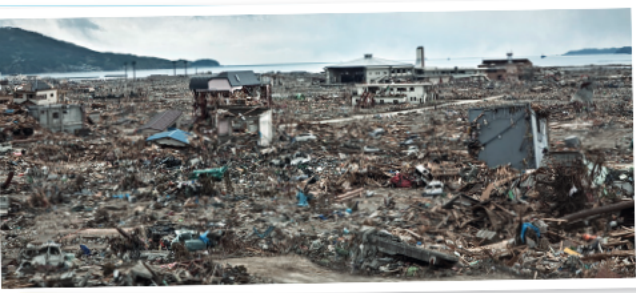
Case Study: The Fukushima Disaster (2011)
The Fukushima nuclear disaster serves as a stark reminder of nuclear risks. A tsunami caused severe damage to the nuclear facility, resulting in dangerous radiation leaks that affected the surrounding region and required massive evacuation efforts.
Important
Major Nuclear Power Challenges
- Nuclear Waste Management: Radioactive materials remain hazardous for extremely long periods and require expensive, secure storage solutions
- Security Concerns: Facilities require extensive protection measures due to potential terrorism threats
- Decommissioning Costs: Safely dismantling nuclear plants is expensive and technically challenging
- Environmental Impact: Construction, operation, and decommissioning can cause habitat disruption
Managing nuclear waste presents another major challenge, as radioactive materials remain hazardous for extremely long periods and require expensive, secure storage solutions. The disposal process is complex and costly, requiring specialised facilities and long-term monitoring.
Security concerns also play a major role in nuclear power considerations. These facilities require extensive protection measures due to potential terrorism threats, adding to operational costs and complexity. When nuclear plants reach the end of their useful life, decommissioning them safely is an expensive and technically challenging process that carries risks of environmental contamination.
Location considerations for nuclear plants
Nuclear power stations in the UK are strategically positioned along coastal areas to ensure adequate water supply for cooling systems. This placement near large bodies of water is essential for the safe operation of nuclear reactors, as they require enormous quantities of water for cooling purposes and steam generation.
Summary
Key Points to Remember:
- Nuclear power generates electricity through fission of uranium atoms, producing heat that creates steam to drive turbines and generators
- Nuclear fuel is incredibly energy-dense - one kilogramme of uranium equals millions of times the energy from the same amount of fossil fuels
- Major advantages include zero carbon emissions during operation, reliable power output, and efficient land use compared to renewables
- Significant risks include potential for serious accidents (like Fukushima), expensive long-term waste storage, and high security requirements
- Nuclear plants are located near coasts to access large water supplies needed for cooling and steam generation