Technical textiles (AQA GCSE Design and Technology): Revision Notes
📚Revision Notes
Technical textiles
Technical textiles represent an exciting area of textile innovation where fabrics are designed with specific functional properties rather than just aesthetic appeal. These advanced materials combine traditional textile manufacturing with cutting-edge technology to create fabrics that can conduct electricity, resist fire, deliver medicines, or provide exceptional protection.
What are technical textiles?
Technical textiles are created by incorporating special materials and fibres into fabric construction. The process begins with a base fibre material such as cotton, wool, polyester, or nylon, which is then enhanced through various techniques including weaving, knitting, sewing, cutting, or braiding with specialised strands that give the fabric its unique properties.
Note
The transformation from regular fabric to technical textile happens through the integration of specialised materials during the manufacturing process, not as an afterthought or coating applied later.
Conductive fabrics (e-textiles)
Conductive fabrics, also known as e-textiles, represent a revolutionary approach to combining textiles with electronics. These smart fabrics incorporate conductive materials such as carbon, titanium, nickel, or copper strands that are woven, knitted, sewn, cut, or braided directly into the fabric structure.
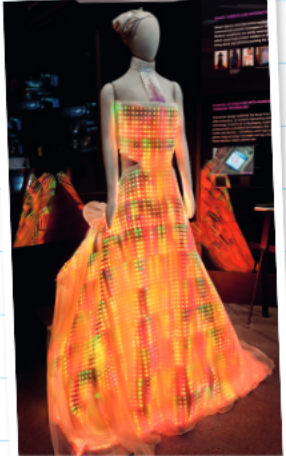 The ability to conduct electricity makes these fabrics incredibly versatile. They can connect electronic components and be integrated into clothing to create garments with built-in lights or controls. Athletes particularly benefit from these textiles, as they can incorporate heart rate monitors and other sensors directly into their clothing, providing real-time health monitoring during exercise.
Example
Real-World Application: Smart Athletic Wear
Athletes wear e-textile shirts embedded with conductive fibres that:
- Monitor heart rate continuously during training
- Track body temperature and perspiration levels
- Connect wirelessly to fitness apps for data analysis
- Provide immediate feedback through built-in LED indicators
Fire resistant fabrics
Fire resistant textiles provide crucial protection in dangerous environments by offering enhanced resistance to heat and flames. These specialised fabrics are typically based on aramid fibres, which possess exceptional heat-resistant properties that make them ideal for high-temperature applications.
 When there's a need for superior insulation or when materials must resist fire for extended periods, these fabrics become essential. They're commonly used in protective clothing for firefighters, welding overalls, and other specialist garments where workers face extreme heat conditions.
Important
It's important to understand that fire resistant fabrics provide additional protection in extreme situations, though they differ from completely fireproof materials. Fire resistant fabrics slow down burning and provide valuable escape time, but they are not completely immune to fire damage.
Microfibres incorporating micro encapsulation
Microfibres represent some of the finest synthetic fibres available, measuring less than one denier thick. To put this in perspective, a single strand of silk measures exactly one denier, making microfibres incredibly fine and lightweight materials.
The real innovation comes with micro encapsulation technology, where tiny solid substances such as cosmetics or medicines are enclosed within thin-walled bubbles made from natural or synthetic materials. These encapsulated particles can be embedded within the textile structure, creating fabrics with remarkable therapeutic and functional properties.
Note
The micro encapsulation process allows active substances to remain stable and protected until they're needed, then release their contents through controlled mechanisms like water exposure or body heat.
These advanced textiles can contain small soluble particles that dissolve and release their contents when exposed to water. This technology enables the creation of clothing that can deliver therapeutic benefits, pleasant fragrances, or even medical treatments directly through the fabric.
Example
Innovation in Athletic Clothing
Athletic clothing containing silver ions provides:
- Antibacterial properties: Prevents harmful bacteria growth
- Odour resistance: Keeps clothing fresh during extended wear
- Temperature regulation: Helps maintain optimal body temperature
- Enhanced performance: Supports athlete comfort and endurance
Kevlar
Kevlar stands out as one of the most remarkable technical textiles due to its exceptional strength-to-weight ratio. This synthetic material offers incredible durability while remaining flexible and completely unaffected by moisture, making it suitable for diverse applications.
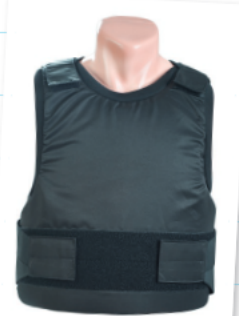 The versatility of Kevlar allows it to serve as an effective replacement for steel in many applications. It can be spun into ropes for securing boats or woven into protective clothing that provides superior protection against various threats. When sewn into bulletproof vests, Kevlar creates lightweight yet highly effective protective equipment that offers additional security for law enforcement and security personnel.
Example
Kevlar Applications Across Industries
Marine Industry: Kevlar ropes provide superior strength for boat mooring while being lighter than traditional steel cables.
Personal Protection: Bulletproof vests use multiple layers of Kevlar weave to stop projectiles while remaining flexible enough for movement.
Gardening: Kevlar-reinforced gloves protect against sharp cutting blades while maintaining dexterity for detailed work.
Kevlar's combination of strength, flexibility, and lightweight properties makes it particularly valuable in gardening applications as well. Gardening gloves made from Kevlar protect hands from sharp cutting blades while remaining flexible and comfortable enough not to restrict movement during detailed work.
Applications and examples
Technical textiles find applications across numerous industries and situations. In the home, fire resistant fabrics must undergo rigorous testing and meet strict safety regulations before they can display fire resistant symbols and be sold to consumers.
The medical field benefits significantly from microfibres incorporating micro encapsulation, particularly in treating burns and other medical conditions where controlled delivery of medications through textiles can improve patient outcomes and comfort.
Note
The regulatory approval process for technical textiles varies by application and region, with medical and safety applications requiring the most stringent testing and certification procedures.
Professional and industrial settings rely heavily on these advanced materials for worker safety and performance enhancement, from firefighting equipment to military applications and specialised industrial workwear.
Summary
Key Points to Remember:
- Technical textiles combine traditional fabric construction with advanced materials to create functional fabrics with special properties
- Conductive fabrics (e-textiles) can conduct electricity and connect electronic components, making them perfect for smart clothing and wearable technology
- Fire resistant fabrics use aramid fibres to provide heat resistance and protection in extreme conditions, though they differ from completely fireproof materials
- Microfibres with micro encapsulation can deliver therapeutic substances, fragrances, or medical treatments directly through the fabric
- Kevlar offers exceptional strength-to-weight ratio while remaining flexible and moisture-resistant, making it ideal for protective equipment and industrial applications