Textiles (AQA GCSE Design and Technology): Revision Notes
📚Revision Notes
Textiles - GCSE revision notes
What are textiles?
Textiles are flexible materials created from fibres that are combined through various methods like weaving, knitting, or non-woven techniques. Think of textiles as networks of thin, thread-like fibres that work together to create the fabrics we use every day for clothing, home furnishings, and many other applications.
Note
Definition: Any flexible fabric that is made from fibres is classified as a textile. It consists of a network of thin thread-like fibres that are combined in a number of ways such as woven, non-woven and knitted.
All textile fibres fall into two main categories: natural fibres (from plants and animals) and synthetic fibres (made from chemicals). Understanding these different types helps us choose the right materials for specific purposes.
Natural fibres
Natural fibres come directly from living sources - either plants or animals. These fibres have been used by humans for thousands of years and each type has unique characteristics that make them suitable for particular uses.
Note
Natural fibres are derived from two main sources:
- Animal fibres: Such as wool from sheep and silk from silkworms
- Plant fibres: Such as cotton from cotton plant seeds
 Wool
Wool
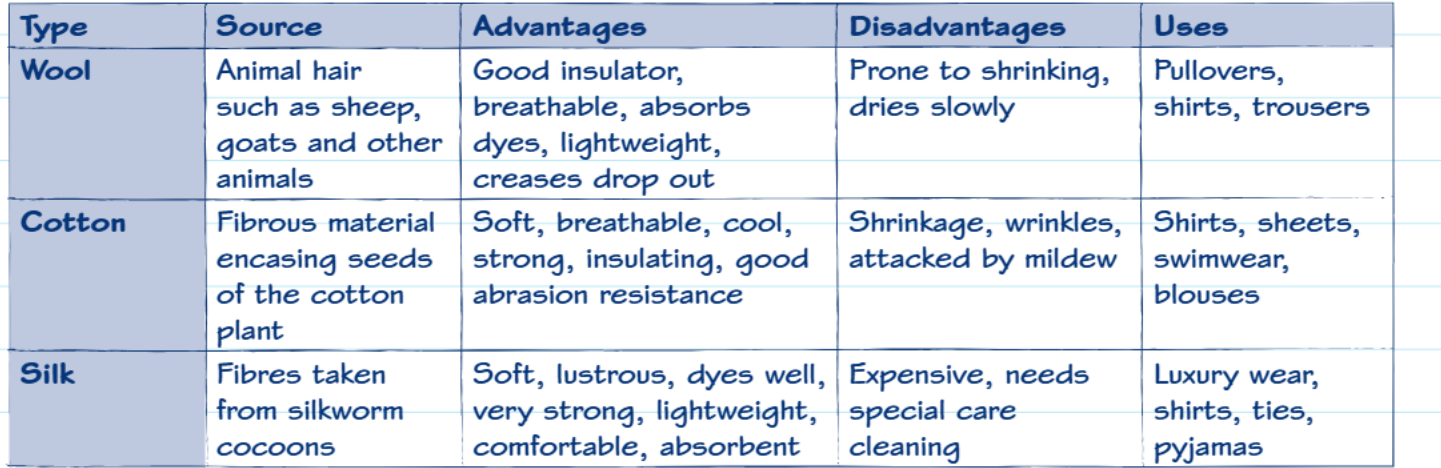
Wool comes from animal hair, primarily from sheep, but also from goats and other animals. This natural fibre excels as an insulator, helping to keep you warm even when it gets wet. Wool is also breathable and naturally absorbs dyes well, making it versatile for different colours and styles. However, wool can be tricky to care for as it tends to shrink when washed and dries quite slowly. You'll commonly find wool in pullovers, shirts, and trousers where warmth and comfort are important.
Cotton
Cotton is a plant-based fibre that comes from the seeds of cotton plants. This versatile material is soft, breathable, and cool to wear, making it perfect for warm weather clothing. Cotton is also strong and has good resistance to wear and tear. The main challenges with cotton include its tendency to shrinkage, wrinkling, and vulnerability to attack by mildew in damp conditions. Cotton is widely used for shirts, bed sheets, swimwear, and casual blouses.
Silk
Silk is a luxury fibre obtained from silkworm cocoons. This premium material feels incredibly soft and lustrous, dyes beautifully, and is surprisingly strong for such a lightweight fabric. Silk is also very comfortable to wear and naturally absorbent. The downsides include its high cost and the need for special care when cleaning. You'll find silk in high-end clothing like luxury garments, dress shirts, ties, and pyjamas.
Synthetic fibres
Synthetic fibres are manufactured from chemicals, typically derived from coal, oil, or petroleum-based materials. These fibres were developed to overcome some limitations of natural fibres and often provide enhanced performance characteristics.
Important
Key Advantage of Synthetic Fibres: They are engineered to provide specific properties that natural fibres may lack, such as enhanced durability, resistance to chemicals, and consistent performance characteristics.
 Polyester
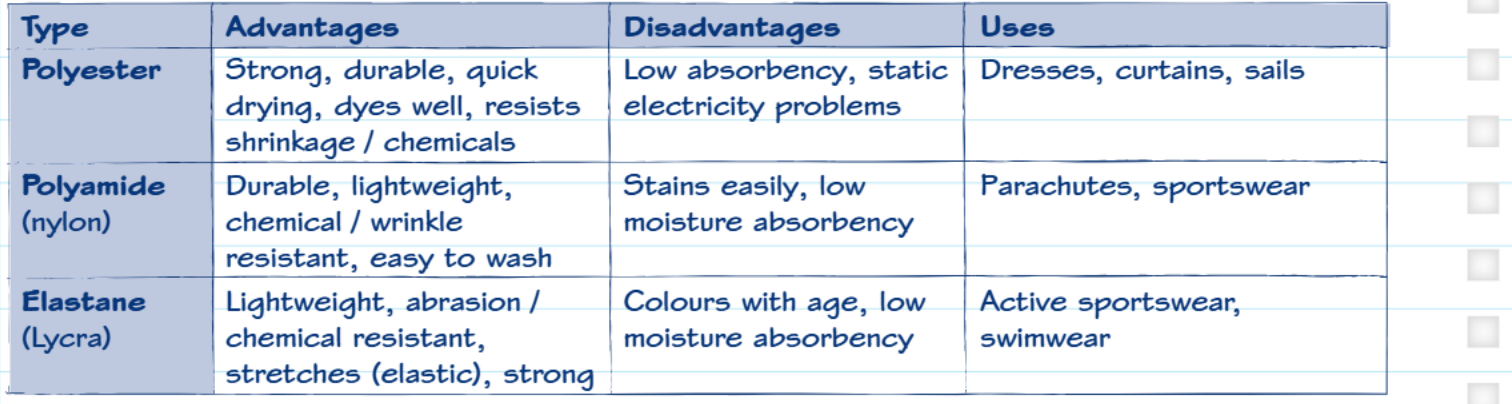
Polyester is known for being incredibly strong and durable, making it ideal for items that need to withstand regular use and washing. It dries quickly, holds dyes well, and resists both shrinkage and chemical damage. The main drawbacks include poor moisture absorption (which can make you feel less comfortable) and potential problems with static electricity. Polyester is commonly used in dresses, curtains, and sailing equipment where durability is essential.
Polyamide (nylon)
Polyamide, commonly known as nylon, combines durability with lightweight properties. It's resistant to chemicals and wrinkles, plus it's easy to wash and maintain. However, nylon stains quite easily and doesn't absorb moisture well, which can affect comfort. This fibre is popular for parachutes and sportswear where strength and light weight are crucial.
Elastane (Lycra)
Elastane, often called Lycra, is the stretchy fibre that gives fabric its elastic properties. It's lightweight, resistant to abrasion and chemicals, and can stretch significantly while returning to its original shape. The disadvantages include a tendency for colours to fade over time and poor moisture absorption. Elastane is essential for active sportswear and swimwear where flexibility and movement are important.
Methods of combining fabrics
There are three main ways to combine fibres into fabrics, and each method creates materials with different properties and characteristics.
Knitted fabrics
Knitting creates fabric by looping yarns together, with the warp yarns (running lengthwise) and weft yarns (running across) interlocking to form a flexible material. This method produces stretchy, comfortable fabrics that move well with your body. The interlocking loops allow the fabric to stretch in multiple directions, making knitted items comfortable to wear and easy to move in.
Woven fabrics
Weaving involves interlacing fibres in a criss-cross pattern, with weft and warp yarns positioned at right angles () to each other. This creates strong, hardwearing fabrics that are excellent for items that need durability.
Note
Important Weaving Terms:
- Weft: The yarn that goes across the width of the fabric/loom
- Warp: The yarn going down the length of the fabric/loom
- Selvage: The edge of the fabric where the wefts double back forming an edge that does not need to be hemmed to prevent fraying
Non-woven fabrics
Non-woven materials are created by tangling fibres together to form sheet-like materials rather than using traditional weaving or knitting methods.
Bonded fabrics use synthetic fibres that are stuck together using heat or chemical adhesives. These fabrics don't fray and are inexpensive to produce, making them cost-effective for many applications. However, they're not as strong as woven fabrics and are commonly used for interlining in curtains and clothing.
Felted fabrics are made from wool fibres that bond together using heat, moisture, and pressure. Felt provides excellent insulation and doesn't fray, but it has limited strength and stretch. It's also difficult to wash and can be susceptible to moth damage. Felt is typically used for handicraft projects and hat-making.
Example
Practical Examples of Fabric Methods:
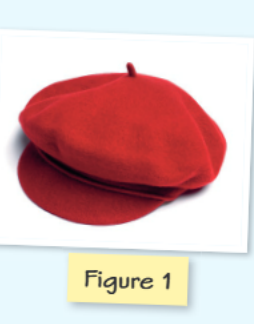 Red Beret: This demonstrates how felt materials work well for accessories like hats because they provide good insulation while maintaining their shape.
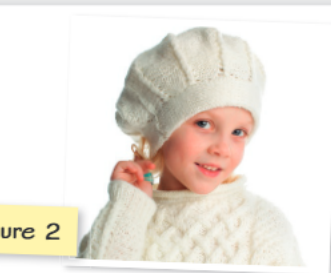 Knitted Garments: The knitted jumper and hat show how knitting creates flexible, comfortable garments perfect for cold weather clothing.
Blending fibres for enhanced performance
One of the most powerful techniques in textile manufacturing is blending different types of fibres together. By combining natural and synthetic fibres, manufacturers can create materials that have the best properties of both fibre types while minimising their individual weaknesses.
For example, a cotton/polyester blend combines cotton's natural breathability and comfort with polyester's durability and resistance to creasing. This creates a fabric that's more comfortable than pure polyester but stronger and easier to care for than pure cotton.
Important
Benefits of Fibre Blending: Blended fabrics can improve performance, comfort, strength, insulation, appearance, and help reduce manufacturing costs. The key is understanding how different fibres complement each other - synthetic fibres often provide strength and easy care properties, while natural fibres contribute comfort and breathability.
Summary
Key Points to Remember:
-
Textiles are networks of fibres combined through weaving, knitting, or non-woven methods to create flexible fabrics for various applications
-
Natural fibres (wool, cotton, silk) come from plants and animals, each offering unique benefits like wool's insulation, cotton's breathability, and silk's luxury feel
-
Synthetic fibres (polyester, nylon, elastane) are chemically manufactured to provide specific properties like durability, stretch, and easy care
-
Three main combining methods create different fabric types: knitting for flexibility, weaving for strength, and non-woven techniques for specialised applications
-
Blending different fibres allows manufacturers to combine the best properties of multiple materials while reducing individual weaknesses