Uses of radiation (Edexcel GCSE Physics): Revision Notes
📚Revision Notes
Uses of Radiation
Radiation is used in many areas, including medicine, industry, and safety. Depending on the type of radiation (alpha, beta, or gamma), and the source's half-life, it can be useful in different ways.
Medical Uses of Radiation
Note
1. Cancer Treatment (Radiotherapy)
-
Gamma rays are used to treat cancer by killing cancer cells. These rays can penetrate deep into the body and are carefully aimed at tumours to avoid damaging healthy cells. 2. Medical Tracers
-
Beta or gamma radiation is used as a tracer in the body. A radioactive substance is injected or swallowed, and doctors use detectors to follow its movement through the body, helping them check how organs are working. Gamma rays are preferred because they pass through the body without causing much damage and have short half-lives, so the radiation doesn't stay in the body for long.
Sterilising Food and Medical Equipment
Gamma rays can sterilise food and medical tools by killing bacteria and microbes.
- This method is useful because it doesn't involve heat, so delicate items like fruit or medical equipment aren't damaged. The radioactive source used must emit strong gamma rays with a long enough half-life so it doesn't need replacing often.
Industrial Uses of Radiation
Note
1. Thickness Gauging Beta radiation is used to check the thickness of materials like paper, plastic, or metal.
- A beta source is placed on one side of the material, and a detector on the other. If the material is too thick, less radiation passes through, and the machine adjusts the rollers. Beta is used because it can partially pass through the material. Alpha would be fully blocked, and gamma would pass straight through without detecting thickness changes.
2. Detecting Leaks in Pipes
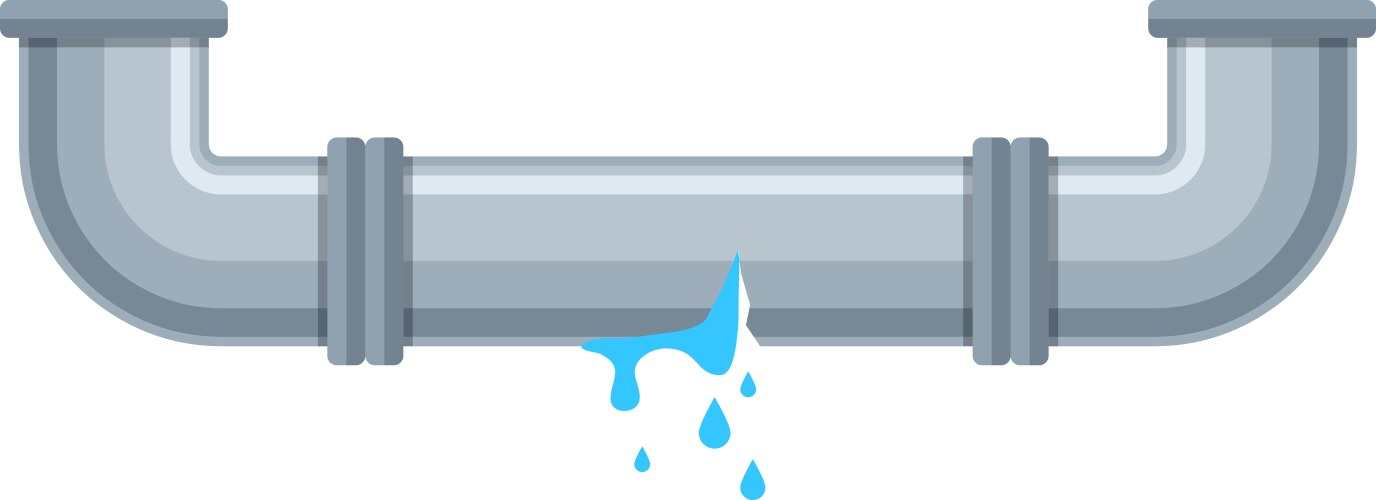
Gamma radiation is used to find leaks in underground pipes.
- A gamma tracer is added to the fluid in the pipe, and detectors above ground can trace where the radiation escapes, indicating a leak.
Fire Alarms (Smoke Detectors)
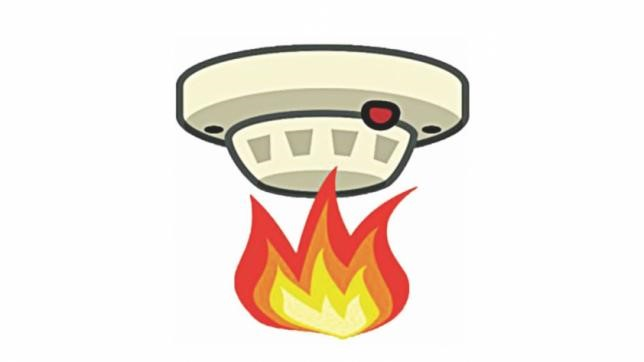
Alpha radiation is used in smoke alarms.
- A weak alpha source is placed between two electrodes, creating a current by ionising the air. When smoke enters the alarm, it absorbs the alpha particles, stopping the current and triggering the alarm.
Half-Life and Hazards of Radioactive Sources
The hazard associated with a radioactive source depends on its half-life (how long it takes for half of the radioactive atoms to decay).
Note
Key Points:
- Short half-life sources: These become safer faster because their radiation drops quickly, but they need to be replaced often.
- Long half-life sources: These remain radioactive for a longer time, so they can be more dangerous over time. Choosing a source: When using radiation, it's important to balance how long the radiation lasts and how strong it is for safety and effectiveness. For example, in smoke alarms, a long-lasting alpha source is useful, but in medical tracers, a short half-life gamma source is better to avoid prolonged exposure to the patient.
Safe Use and Disposal of Radioactive Materials
Careful storage and disposal are necessary, especially for sources with long half-lives, to prevent harm to people and the environment.