Microwave radiation (Edexcel GCSE Physics): Revision Notes
📚Revision Notes
Microwave radiation
Note
Microwave radiation is a type of electromagnetic (EM) radiation that has longer wavelengths than infrared radiation but shorter wavelengths than radio waves. It is used in everyday technologies, such as microwaves for cooking and satellite communication.
Cosmic Microwave Background Radiation (CMB Radiation)
Scientists have detected low-frequency EM radiation that comes from all parts of the universe. Most of this radiation is in the microwave part of the spectrum, and it is known as Cosmic Microwave Background (CMB) Radiation.
CMB Radiation and the Big Bang
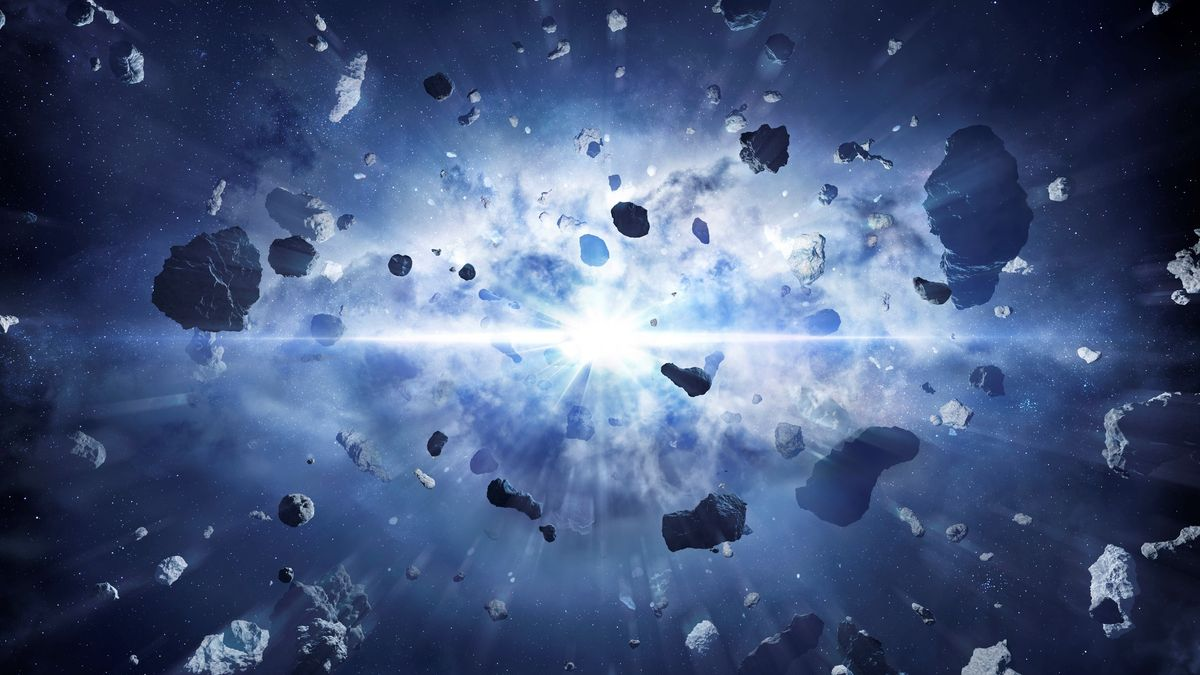
CMB radiation is considered strong evidence for the Big Bang theory.
It shows that the universe had a beginning. This radiation is believed to be the leftover energy from the initial explosion of the Big Bang, which happened around 13.8 billion years ago.
Note
The detection of CMB radiation supports the idea that the universe started in a hot, dense state and has been expanding and cooling ever since.
Why is CMB Radiation Important?
CMB radiation provides a snapshot of the universe when it was about 380,000 years old. Before this time, the universe was too hot and dense for light to travel freely.
- It helps scientists understand the early conditions of the universe and supports the theory that the universe has been expanding from a very small, hot, and dense point.
Microwave Radiation in Daily Life
- Microwave Ovens:
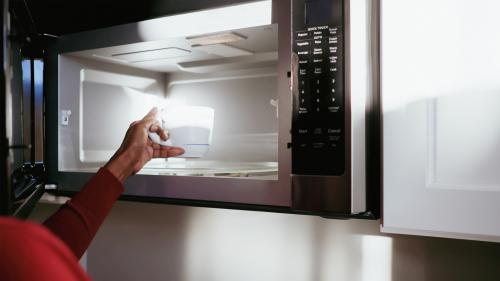
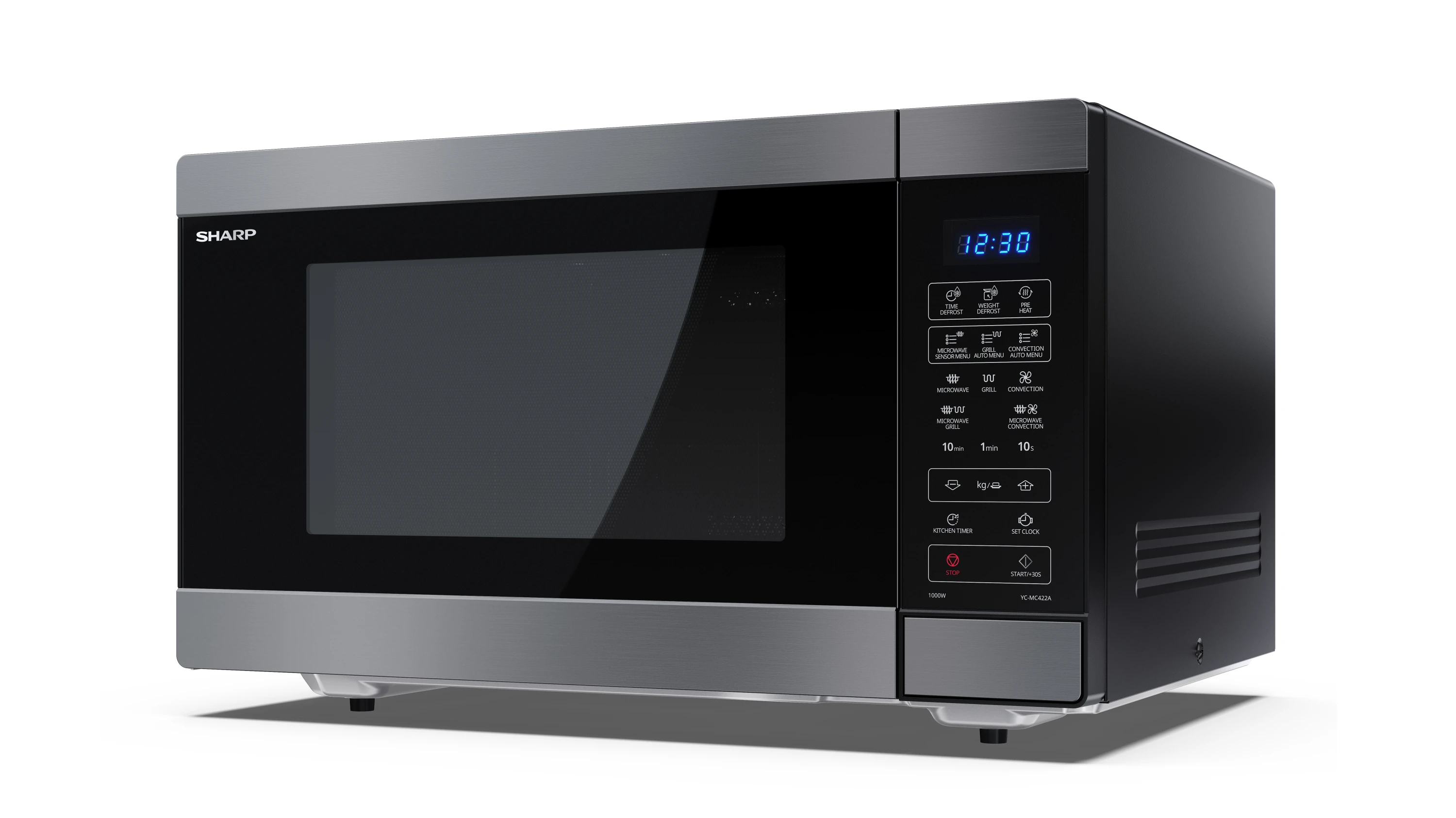
- Microwaves are used in kitchens to heat food by causing water molecules in the food to vibrate, which produces heat.

- Communication:
- Microwaves are used for satellite communications because they can pass through the Earth's atmosphere and are less affected by weather than other types of radiation.