Nuclear power station (Edexcel GCSE Physics): Revision Notes
📚Revision Notes
Nuclear power station
Note
A nuclear power station produces electricity using energy from nuclear reactions.
How Energy is Produced in a Nuclear Reactor
- Fuel Rods:
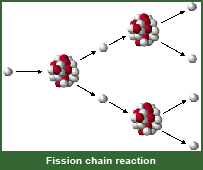
- Uranium-235 or Plutonium-239 fuel rods are used to produce energy. Inside the reactor, these fuel rods undergo nuclear fission, where their nuclei split into smaller nuclei, releasing a large amount of energy in the form of heat.
- The fission process also releases neutrons, which can hit other uranium nuclei, causing more fission reactions (a chain reaction).
- Moderators:
- The fuel rods are placed in a moderator (such as water or graphite).
- The moderator slows down fast-moving neutrons, making them more likely to cause further fission reactions with uranium atoms, keeping the reaction controlled and efficient.
- Control Rods:
- Control rods (often made of boron or cadmium) are inserted between the fuel rods.
- These control rods absorb extra neutrons to stop too many fission reactions from happening at once.
- Raising the control rods speeds up the reaction, and lowering them slows it down. By adjusting the control rods, the rate of fission can be controlled.
- Coolant:
- A coolant (usually water or gas) is circulated through the reactor to carry away the heat produced by fission.
- This heat is used to produce steam, which drives turbines connected to generators, producing electricity.
Controlling the Chain Reaction
- The fission process is controlled so that each fission event only causes one more fission event. This ensures a steady release of energy.
- Without control, the fission could lead to a runaway reaction, where too much energy is released at once, causing the reactor to overheat and potentially lead to an explosion.
Note
How is Energy Converted into Electricity?
- The heat from the nuclear reactor is used to boil water, turning it into steam.
- The steam drives a turbine connected to a generator. As the turbine spins, the generator converts kinetic energy into electrical energy.
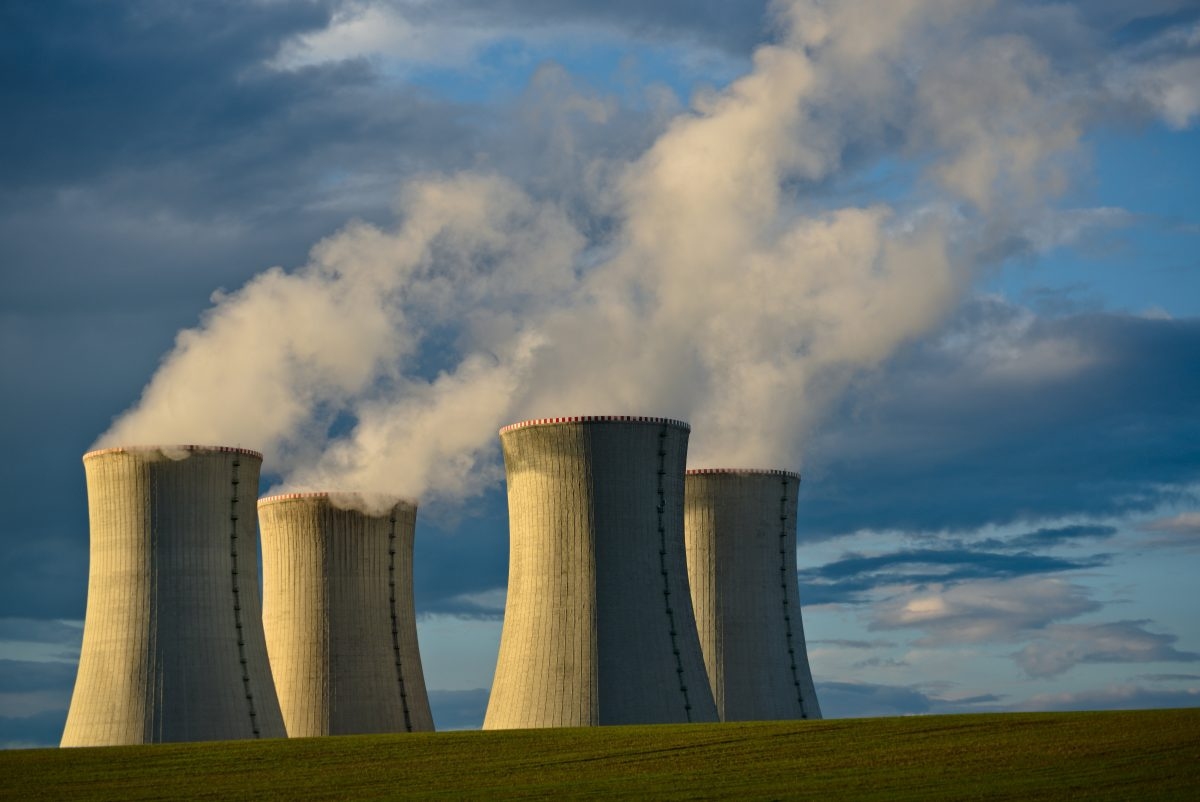
- The steam is then cooled back into water using a cooling tower or a heat exchanger, and the cycle repeats.
Safety Features of Nuclear Power Stations
- Containment Building:
- The reactor is housed inside a thick concrete shield to prevent radiation from escaping into the environment.
- Emergency Shutdown:
- In case of emergency, the control rods can be fully lowered into the reactor to quickly stop the chain reaction.
- Backup Cooling Systems:
- In the event of a malfunction, backup cooling systems are in place to prevent the reactor from overheating.
Note
Dangers and Waste Management
- Nuclear Waste: Nuclear power stations produce radioactive waste. This waste must be carefully stored in shielded containers to prevent harmful radiation from leaking into the environment.
- Radiation Risk: Uncontrolled fission reactions can lead to the release of dangerous radiation. This is why safety measures, such as control rods and containment buildings, are essential.
- The chain reaction is carefully managed so that each fission only causes one more fission, keeping the process steady and safe.