Educational Gymnastics (Grade 10 NSC Matric Life Orientation): Revision Notes
📚Revision Notes
Educational Gymnastics
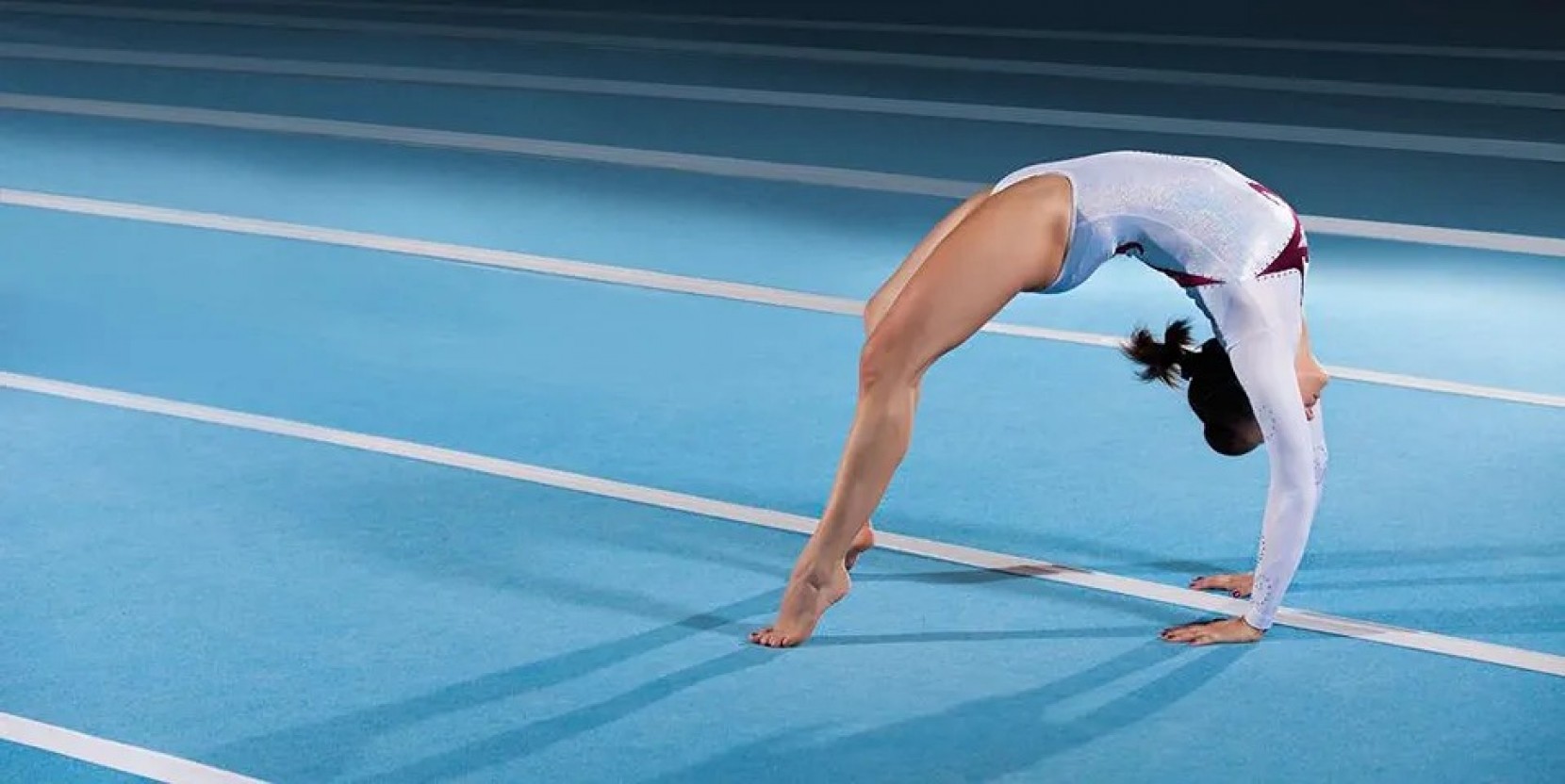
Educational gymnastics has a rich history dating back thousands of years. Ancient civilisations like Greece and Egypt practised gymnastic movements including backbends, jumping, tumbling, rolling, swinging and partner movements. This foundation has evolved into modern educational gymnastics, which focuses on developing your body control and movement skills.
Note
The gymnastic movements we practice today have their roots in ancient civilizations, where physical training was considered essential for both physical and mental development. This historical foundation demonstrates the enduring value of gymnastic education.
Educational gymnastics is brilliant for improving your posture, flexibility, balance, co-ordination, and control of body movements. These skills transfer beautifully to dance and other sports, making gymnastics a fantastic foundation for all physical activities.
Safety in gymnastics
Safety must always be your top priority in gymnastics. The risk of injury is real, so following these guidelines will keep you and your classmates safe:
Important
Safety is Non-Negotiable in Gymnastics
The physical demands of gymnastics mean that proper safety procedures aren't just recommendations - they're essential requirements. Never skip safety steps, even for movements that seem simple or familiar.
Essential safety rules
- Always warm up thoroughly before attempting any gymnastic movements
- Use a spotter when trying new skills - this is someone who watches you, observes your movements, and supports you to ensure safety
- Keep all movements slow and controlled - avoid jerky or sudden movements
- Ensure equipment is stable and properly secured to the ground
- Never eat or chew gum during activities as you could choke
- Pay attention to your surroundings to avoid bumping into others or equipment
- Listen carefully to instructions and make sure you understand what to do before attempting any skill
- Avoid risky actions that could cause injury
Remember, being safe doesn't make you weak - it makes you smart and allows you to progress confidently in your gymnastics journey.
Warm-up routine
A proper warm-up is crucial in gymnastics. Your muscles need to be prepared for the demands of gymnastic movements. Here's a comprehensive warm-up sequence that targets all major muscle groups:
Upper body preparation
Example
Worked Example: Shoulder Warm-up
Step 1: Stand with your feet hip-width apart against a wall
Step 2: Place your hands in fists at your temples
Step 3: Bring your elbows to touch in front of your face
Step 4: Repeat this movement slowly to mobilise your shoulder joints
This exercise prepares your shoulders for weight-bearing activities that are common in gymnastics.
Neck flexibility: Gently rock your head forwards and backwards, then from left to right. This gentle movement prepares your neck muscles and improves your spatial awareness during movements.
Lower body preparation
Example
Worked Example: Thigh Stretch
Step 1: Shift your weight onto your left leg
Step 2: Bend your right knee and grab your right foot with your right hand
Step 3: Pull your foot towards your buttocks whilst keeping your knees together
Step 4: Hold for thirty seconds, then switch legs
This targets your quadriceps muscles, which are essential for jumping and landing safely.
Groin stretch: Kneel on your left knee and place your right foot about 40 cm in front. Move your upper body forwards towards your right knee until you feel a stretch in your left groyne. This prepares your hip flexors for the wide range of movements in gymnastics.
Core and spine preparation
Example
Worked Example: Dog and Cat Stretches
Starting position: Get on your hands and knees with hands below shoulders and knees below hips
Dog stretch:
- Inhale whilst dropping your tummy towards the floor
- Bring your head up, creating a downward curve in your spine
Cat stretch:
- Exhale whilst rounding your back upwards
- Tuck your head in, creating an upward curve
Repetition: Complete both movements ten times alternately
Knee warm-up: Bend forwards and place your hands on your knees. Move your knees in circular motions - right, back, left, then reverse. This prepares your knee joints for jumping and landing activities.
Upper body rotation: Stand with feet hip-width apart and knees slightly bent. Twist your body from side to side, allowing your relaxed arms to gently slap your hips. Gradually increase the twist as your spine warms up.
Always finish your warm-up with slow jogging on the spot and gentle stretches to ensure your entire body is prepared for gymnastics activities.
Basic gymnastic movements
Partner work activities
Partner work in gymnastics builds trust, communication, and mutual support skills. These activities also develop your sense of balance and body awareness through working with another person.
Example
Worked Example: Standing Counterbalance
Step 1: Face your partner with toes touching
Step 2: Hold hands firmly but comfortably
Step 3: Slowly lean back together, pretending you're sitting on chairs
Step 4: Maintain communication throughout the movement
Step 5: Use your partner's weight to maintain your own stability
Key principle: Move slowly and communicate with your partner about when to increase or decrease the lean.
Back-to-back sit and stand: Sit back-to-back with your partner, linking arms at the elbows. Bend your knees and place your feet flat on the ground. Count to three, then push against each other's backs to stand up simultaneously. This activity requires timing, communication, and equal effort from both partners.
V-balance: Stand next to your partner with a small space between your feet. Hold hands and slowly lean away from each other until you form a V-shape. The challenge is maintaining this balance for ten seconds whilst supporting each other's weight.
Individual balance and position activities
Note
These fundamental positions form the building blocks of more advanced gymnastics skills. Focus on maintaining proper form and alignment rather than rushing through the movements.
Simple T-position: Your body should resemble the letter T. Stretch your arms straight out on each side, keeping them level with your shoulders. Hold your fists closed with thumbs facing down. Keep your arms straight and maintain good posture. This develops your shoulder stability and body awareness.
Goalpost position: Raise your arms high above your head, straight up in the air. Let your arms touch the sides of your head with your fists closed and thumbs facing each other. This position strengthens your shoulder and core muscles whilst improving your posture.
Example
Worked Example: Bird Stand Progression
Basic level:
- Stand with feet shoulder-width apart
- Balance on one foot with arms tucked in
- Hold for 10 seconds
Intermediate level:
- Add spinning in circles for five seconds
- Return to balancing position
Advanced level:
- Stand on one leg with both arms wide out at the sides
- Lift your back leg high whilst keeping your head up
- Avoid leaning forwards
- Maintain balance for 15 seconds
Movement activities
Log roll: Rolling develops your spatial awareness and core strength. Imagine you're a log lying down with your body straight and arms against your sides. Roll on a soft surface like a mat or grassy area, keeping your body alignment throughout the movement. Challenge yourself to see how many rolls you can complete in twenty seconds.
Example
Worked Example: Progressive Hopping Activities
Level 1 - Basic hop:
- Lift one foot off the ground, keeping your thigh horizontal
- Hop on the other foot
- Add rhythm by clapping
Level 2 - Alternating hops:
- Alternate between legs
- Maintain consistent rhythm
Level 3 - Kicking hops:
- Stretch your right leg forwards in a kicking action
- Hop backwards on your left foot
- Land on your right foot
- Repeat with opposite legs
Basic jumping: Place your feet together and keep your weight on your toes. Bend your knees as you build up to the jump, moving your arms high above your head in a V-shape. Keep your shoulders back and lift your body up through your shoulders, swinging your arms forwards in a circle.
Standing jump: Stand with your feet at a narrow angle, bend your knees, and swing your arms forwards and upwards as you jump into the air. Stretch your body upwards and keep your movements controlled to maintain good form.
Advanced movements
Important
Before Attempting Advanced Movements
Always ensure you have mastered the basic positions and movements before progressing to these advanced skills. Use a spotter and practise on appropriate surfaces with proper supervision.
180-degree jump turn: This is a half turn. Start with your feet shoulder-width apart, jump as high as you can, and turn your body 180 degrees to face the opposite direction. Land on both feet facing the direction opposite from where you started. Alternate jumping left and right, repeating ten times.
360-degree jump turn: This is a full turn where you complete a complete circle in the air. Jump as high as you can and turn 360 degrees, landing facing the same direction you started. This requires more height and rotational control than the 180-degree turn.
Toe touch: As you jump, spread both legs wide in the air and try to touch your toes with your hands without straining your back. This develops your flexibility, jumping ability, and co-ordination simultaneously.
Example
Worked Example: Handstand Progression
Preparation:
- Start by practising against a wall with a partner's help
- Ensure you have proper supervision
Step-by-step technique:
- Begin in a squatting position close to the ground
- Place your hands on the ground shoulder-width apart
- Bend your head down towards the ground, keeping your head between your arms
- Kick your legs up whilst keeping your upper body straight and strong
- Use the wall for support as you build strength and balance
Safety note: Never attempt handstands without proper supervision and spotting.
Creating gymnastics sequences
An important part of educational gymnastics is combining individual movements into flowing sequences. Work in groups of six to combine the movements you've learned into a creative sequence. This develops your ability to plan, practise, and perform gymnastics whilst working collaboratively with others.
Note
Sequence Creation Tips
When creating sequences, consider these elements for a successful performance:
- Smooth transitions between movements
- Varying levels (high, medium, low positions)
- Incorporating both individual and partner elements
- Balanced use of space and timing
When creating sequences, think about smooth transitions between movements, varying levels (high, medium, low), and incorporating both individual and partner elements. Practise your sequence multiple times, helping each other improve technique and timing.
Assessment in educational gymnastics
Note
Understanding Your Assessment
Your gymnastics work will be assessed through Movement Performance evaluations. You'll receive marks for each PE period where you actively participate. During this term, your movement performance will be assessed twice - once during weeks 1-5 and once during weeks 6-10.
Each movement assessment session is marked out of 5, focusing on your technique, effort, improvement, and understanding of the activities. Remember that gymnastics is about personal progress and developing your skills safely rather than comparing yourself to others.
Summary
Key Points to Remember:
- Safety first - always warm up thoroughly, use spotters, and listen carefully to instructions before attempting any gymnastics skill
- Educational gymnastics develops multiple skills - posture, flexibility, balance, co-ordination, and body control that transfer to other sports and activities
- Partner work builds trust and communication - working together develops social skills alongside physical abilities
- Progress from simple to complex - master basic positions and movements before advancing to more challenging skills like handstands and jump turns
- Practice makes progress - gymnastics skills improve through regular, careful practice with proper technique rather than rushing through movements