Rhythmical, Indigenous, and Traditional Dances (Grade 10 NSC Matric Life Orientation): Revision Notes
📚Revision Notes
Rhythmical, Indigenous, and Traditional Dances
Introduction to rhythmic dance
Rhythmic dance involves performing a series of coordinated steps and movements that flow in time with music. Many of the techniques used in rhythmic dance have their roots in gymnastics, making them both artistic and physically demanding. South Africa is incredibly fortunate to have a rich collection of indigenous rhythmic dances that form an important part of our cultural heritage.
These traditional dances connect us to our diverse cultural backgrounds and help preserve the stories, values, and traditions of different communities across our country.
Note
Cultural Heritage Value
South Africa's indigenous dances are not just entertainment - they are living repositories of cultural knowledge, preserving ancient traditions, spiritual beliefs, and community values that have been passed down through generations.
Indigenous South African dances
South Africa's diverse cultural landscape is beautifully reflected in the unique dance traditions of different ethnic groups. Each community has developed distinctive movement styles, rhythmic patterns, and cultural expressions that tell their own stories and preserve their heritage.
Venda dances
Tshikona dance This captivating Venda dance features each participant playing a pipe made from a specific type of indigenous bamboo that grows around the Thoho area. Each pipe produces a unique note, and when all the players perform together, they create a beautiful melody. The dancers move in a circular formation whilst jumping up and down to the rhythm of their collective music.

Example
Tshikona Performance Structure
Step 1: Each dancer holds a bamboo pipe that produces one specific musical note
Step 2: Dancers arrange themselves in a circular formation
Step 3: All participants jump up and down simultaneously while playing their pipes
Result: The combined individual notes create a harmonious group melody
Malende dance The Venda malende dance serves as entertainment and brings the community together. Typically, two women and two men perform the main dance steps whilst the rest of the group provides musical support by singing and clapping their hands in rhythm.
Sotho dances
Mohobelo dance Mohobelo represents a dynamic Sotho striding dance that incorporates various movement techniques including striding, leaping, sliding, and flowing movements along the ground. The dance features three distinctive movement patterns:
Example
Mohobelo Movement Patterns
Slow bahobela: characterised by high kicking movements
Fast molapo: involving energetic leaping and twisting movements in the air
Phethola letsoho: focused on expressive hand movements and gestures

Xhosa dances
Umteyo dance Known as a shaking dance, umteyo requires dancers to rapidly shake their thorax (the area of the body between the neck and abdomen). This intense movement creates a visual effect where the entire length of the spine appears to ripple, demonstrating remarkable body control and rhythmic precision.

Important
Umteyo Technique Requirements
The umteyo dance demands exceptional body control and stamina. The rapid thorax shaking movement must be sustained while maintaining rhythm, making this one of the more physically challenging traditional dance forms.
Zulu dances
Isicathamiya The isiZulu word "isicathamiya" translates to "stalk like a cat," which perfectly describes the smooth, stealthy dance steps that accompany this performance style. This dance form features soft harmonies sung a cappella (without any musical instruments) by choirs, creating a purely vocal and movement-based artistic expression.
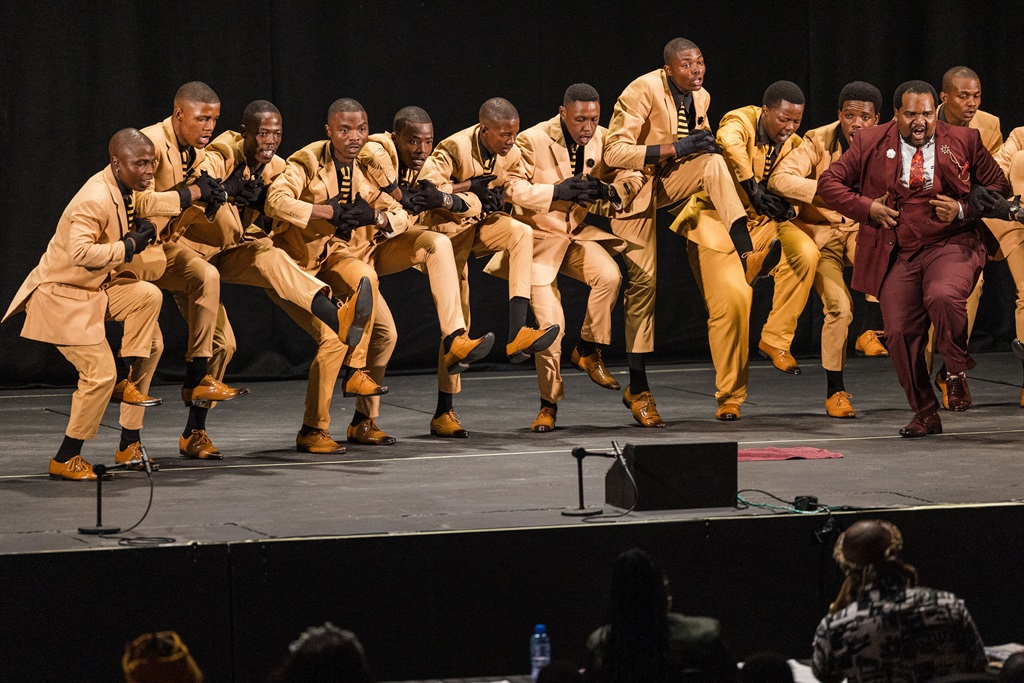
Indlamu This traditional Zulu dance showcases incredible athleticism and coordination. Dancers lift one foot high over their head before bringing it down forcefully, landing precisely on the downbeat of the music. The dance typically involves two performers who mirror each other's movements exactly, creating a powerful synchronised display.
Note
Cultural Significance of Zulu Dances
Both isicathamiya and indlamu demonstrate the Zulu people's emphasis on precision, discipline, and community harmony. These dances often accompany important cultural ceremonies and celebrations.
International influences
South Africa's dance traditions have been enriched through cultural exchange with other countries, creating opportunities for fusion and artistic growth while maintaining respect for original cultural forms.
Indian dance traditions
Nritya Nritya represents an Indian dance form where the movements of both hands and feet directly reflect the rhythm and speed of the accompanying music. Indian dance philosophy centres around the concept of cyclic rhythm, where rhythmic patterns weave together with musical notes and are expressed through coordinated hand and foot movements.

Example
Nritya Key Principles
Balance: Maintaining equilibrium between vigorous and gentle movements throughout the performance
Footwork: Using both hard and soft foot stamping techniques to create variation and interest
Gestures: Incorporating expressive movements that can be single-handed or double-handed to convey objects, actions, emotions, and different body postures
Modern fusion styles
Technifunk Technifunk represents an exciting fusion dance style that combines disciplined dance techniques from ballet, jazz, and modern dance with the energetic funk style popularised by music television (MTV), all built upon a foundation of traditional African dance. This hybrid approach provides dancers with improved body balance and alignment whilst delivering an excellent aerobic workout.
Note
Fusion Dance Benefits
Technifunk demonstrates how traditional African movements can be successfully integrated with contemporary dance styles, creating new artistic expressions while honouring cultural roots.
Traditional circle dances
Circle dances form an important category of traditional dance that emphasises group participation and community bonding. These dances typically involve participants forming a circle and moving together in coordinated patterns.
Stamp and shuffle dance This engaging circle dance requires participants to work together as a cohesive group. The dance involves sideways movement in a clockwise direction, with dancers stepping on their left foot on the first beat and sliding their right foot to meet the left on the second beat. The continuous circular movement, combined with stamping feet that keep time with the music, creates an energising group experience.
Example
Stamp and Shuffle Basic Steps
Step 1: Form a circle with all participants
Step 2: Move sideways in a clockwise direction
Step 3: Step on left foot on the first beat
Step 4: Slide right foot to meet the left on the second beat
Step 5: Continue stamping feet to maintain rhythm with the music
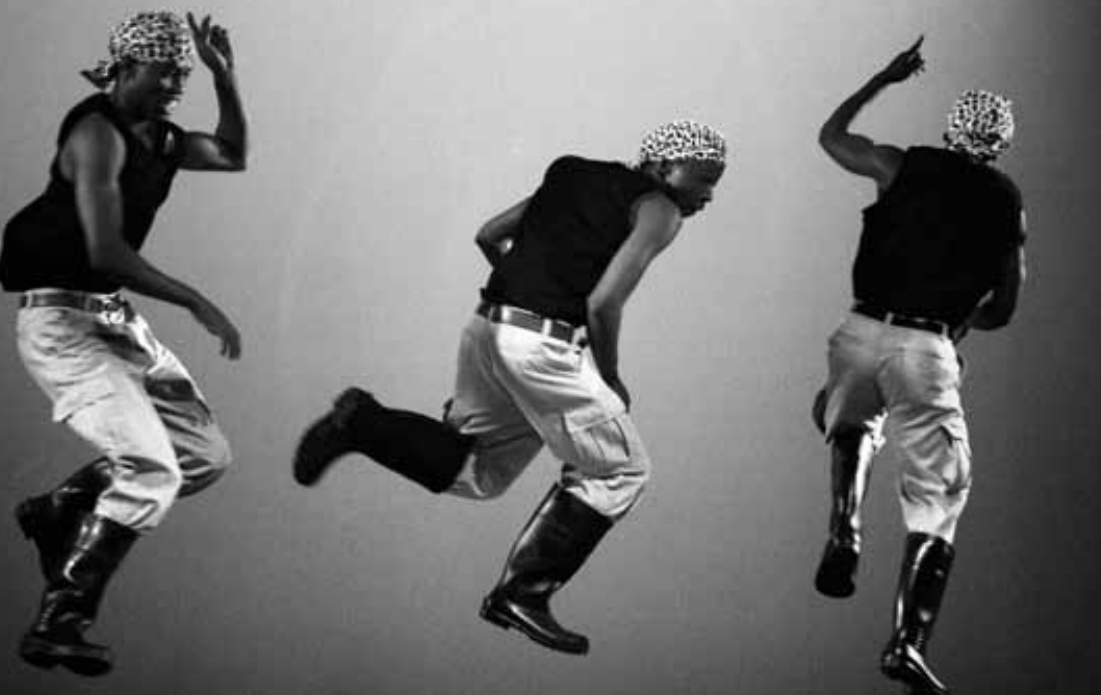
Gumboot dance (Isicathulo) Originally developed by South African miners, gumboot dance involves rhythmic slapping of the legs and boots to create percussion sounds. Dancers imagine wearing heavy boots and use their hands to slap different parts of their legs in sequence, building up speed and complexity as they master the basic movements.
Important
Historical Context of Gumboot Dance
Gumboot dance emerged from the harsh conditions of South African mines, where workers created this art form as a means of communication and cultural expression under oppressive circumstances. Today, it stands as a powerful symbol of resilience and creativity.
Learning and creating dances
Understanding traditional dances provides an excellent foundation for creating your own choreographed pieces. Students can work together in groups to develop original indigenous-inspired dances, teaching these creations to classmates and participating in each other's performances.
Many schools organise dance showcases similar to popular television programmes like "Strictly Come Dancing" or "Dancing with the Stars," providing opportunities for students to demonstrate their skills and celebrate the rich dance traditions of South Africa.
Note
Creative Learning Opportunities
Working with traditional dance forms helps students develop cultural appreciation, physical coordination, and creative expression skills. Group choreography projects also build teamwork and communication abilities.
Assessment tips
When preparing for dance assessments or performances, focus on these key areas to demonstrate comprehensive understanding and skill development.
Important
Essential Assessment Areas
- Practice cultural awareness: Learn the cultural background and significance of each dance form
- Focus on technique: Pay attention to specific movement requirements for each dance style
- Develop rhythm: Work on keeping time with music and maintaining consistent beat patterns
- Build coordination: Practice synchronising movements with partners or groups
- Show expression: Use facial expressions and body language to convey the spirit of each dance
Summary
Key Points to Remember:
- Rhythmic dance combines movement with music, often drawing from gymnastics techniques
- South Africa's indigenous dances represent diverse cultural groups including Venda, Sotho, Xhosa, and Zulu traditions
- Each dance form has unique characteristics: tshikona uses bamboo pipes, mohobelo features three distinct movement types, umteyo focuses on spine movements, and isicathamiya involves a cappella singing
- Traditional circle dances emphasise group participation and community building
- Understanding traditional forms helps create new choreographed pieces and preserves cultural heritage