Safety in Physical Education (Grade 10 NSC Matric Life Orientation): Revision Notes
📚Revision Notes
Safety in Physical Education
Physical Education classes can be incredibly fun and beneficial for your health, but staying safe should always be your top priority. Understanding and following safety guidelines protects not only yourself but also your classmates during physical activities. This comprehensive guide covers all the essential safety measures you need to know for PE classes.
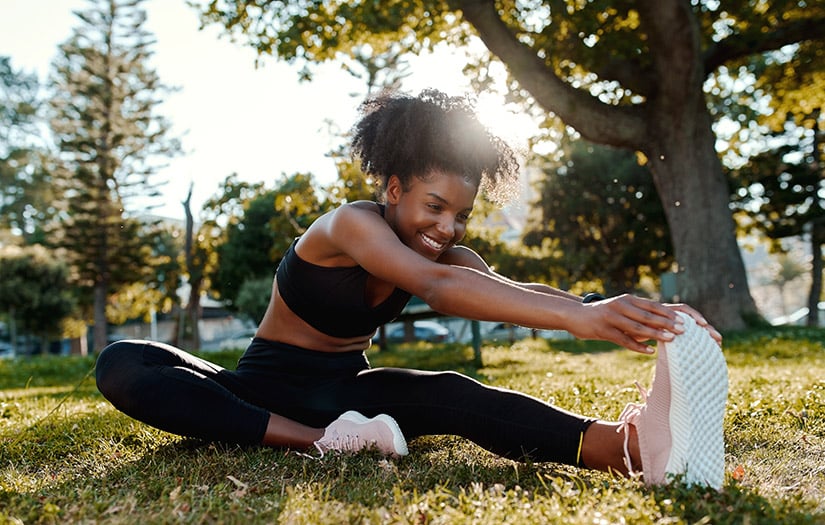
Understanding basic safety concepts
Safety means protecting your wellbeing during physical activities. This involves being aware of potential risks and taking steps to prevent injuries before they happen. Good safety practices become automatic habits that will serve you well throughout your life.
Warm up refers to 5-10 minutes of gentle exercises and stretching that you do at the beginning of any physical activity. This process helps circulate blood throughout your body and prepares your muscles, joints, and cardiovascular system for more intense exercise.
Cool down involves doing gentle exercises and stretches after physical activity to gradually slow your heart rate and help your body return to its resting state. This prevents muscle stiffness and helps your body recover properly.
Note
These three concepts form the foundation of all PE safety practices. Understanding them thoroughly will help you make better decisions about your physical activity participation.
Clothing requirements for PE
Choosing the right clothing for PE is crucial for your safety and comfort during physical activities. Your clothing should allow you to move freely without restriction while protecting you from potential injuries.
Essential clothing guidelines:
- Choose comfortable, loose-fitting clothes that allow unrestricted movement, particularly loose-fitting t-shirts that don't cling to your body
- Ensure your belt isn't tight around your stomach, as this can restrict breathing and movement
- Select shorts that are knee-length or just above the knees for optimal movement and modesty
- Remove all jewellery before exercising, as it can cause injuries to yourself or others during physical contact or if it gets caught on equipment
Important
Never wear plastic or non-breathable materials during PE. These fabrics prevent proper ventilation and stop your sweat from evaporating naturally. This can cause your body temperature to rise dangerously, leading to overheating, which can be harmful to your health.
Fabric considerations: Instead, choose natural fibres or moisture-wicking synthetic materials that allow air to circulate around your body.
Sun protection: Always wear a hat when exercising outdoors to protect yourself from harmful UV rays, especially during South Africa's intense summer months.
Proper footwear for safety
Your feet are your foundation during most PE activities, making proper footwear essential for preventing injuries and ensuring optimal performance.
Protective benefits of good footwear: Quality sports shoes protect you from multiple hazards, including slipping and falling, stepping on sharp objects like broken glass or stones, and provide cushioning that reduces impact on your joints. Well-fitted shoes also provide ancle support that can prevent sprains during sudden direction changes.
Important
Never wear sandals, flip-flops, or any shoes with heels during PE. These significantly increase your risk of falling and make it easy for others to accidentally step on your toes or feet.
Footwear requirements:
- Wear comfortable takkies or trainers that provide good grip on various surfaces and allow your feet to move naturally
- Ensure shoes are firmly laced to prevent tripping over loose laces or losing a shoe during movement
- Wear appropriate socks to prevent blisters and provide additional cushioning
Creating safe exercise spaces
The area where you exercise plays a crucial role in preventing injuries. Always take time to assess and prepare your exercise space before beginning any physical activity.
Surface preparation: Before starting any activity, carefully clear the area of broken glass, sharp stones, or any other debris that could cause cuts or injuries. This is particularly important when exercising outdoors where hazards may not be immediately visible.
Important
Avoid jumping, rope skipping, aerobics, or running on very hard surfaces like concrete or tar, as the jarring impact when you land can seriously injure your knees and other joints. These activities are much safer on grass, gym mats, or purpose-built sports surfaces that provide cushioning.
Grass surface safety: When exercising on grass, be particularly careful if the surface is uneven. Hidden holes, dips, or uneven ground can cause you to fall unexpectedly, potentially resulting in twisted or broken ankles. Always do a quick visual check of grassy areas before beginning activities.
Maintaining proper spacing during activities
Many PE injuries occur because students don't maintain adequate distance from each other during exercises. Understanding proper spacing prevents collisions and allows everyone to exercise safely.
Note
The Arm's Length Rule: Always position yourself at least an arm's length away from the nearest person when doing exercises. Test this by extending both arms at full stretch - you should be able to swing them around completely without touching another person.
General spacing rules: This ensures you won't accidentally bump into each other and gives everyone enough room to move freely.
Equipment-specific spacing: When using jump ropes, wait for your turn rather than trying to jump while someone else is using the rope. This prevents tangling and potential injuries from the rope hitting you. Similarly, when running behind a jogger, maintain sufficient distance to avoid tripping the person in front of you if they suddenly slow down or stop.
Following instructions for everyone's safety
Your teacher's instructions aren't just suggestions - they're carefully designed safety protocols that protect everyone in the class. Ignoring these instructions can lead to serious injuries.
Important
Physical Education teachers are trained to anticipate potential dangers and provide guidance that prevents accidents. When you don't follow instructions, you risk serious injury to yourself and create hazards for your classmates.
Why instructions matter: Remember that your safety affects the entire class's wellbeing.
Active listening techniques: Listen carefully when your teacher explains what you need to do and when to stop. Pay attention to hand signals, whistle blasts, and other forms of communication your teacher uses. Look for visual cues and obey every instruction immediately. Following these guidelines ensures your safety and enjoyment while also contributing to a positive experience for everyone else in the class.
Road safety during PE activities
If your PE activities include walking, jogging, or running on or near roads, you need to follow specific safety rules to protect yourself from traffic-related accidents.
Important
Always face oncoming traffic when walking or jogging so you can see approaching vehicles and react appropriately. Ideally, avoid public roads entirely by exercising in your school grounds or at schools near you where traffic isn't a concern.
Basic road safety principles: Always stay on pavements when available, and wear bright, easily visible clothing that helps drivers spot you from a distance. At night or in low-light conditions, wear reflective bands or clothing with reflective strips to ensure car drivers can see you clearly.
Group safety: Follow all pedestrian traffic rules - just because you're doing PE doesn't mean normal road rules don't apply. Keep appropriate distance from other runners to avoid bumping into them, tripping them, or stepping on their heels. Avoid running in heavy traffic areas where you'll be exposed to dangerous vehicle exhaust fumes, which can harm your lungs, and where the risk of accidents with overtaking cars is much higher.
Positioning guidelines: Never jog or walk in the middle of the road, and always move in single file rather than next to each other when space is limited.
Avoiding exercise when unwell
Knowing when not to exercise is just as important as knowing how to exercise safely. Exercising when you're ill or injured can worsen your condition and put others at risk.
Important
Don't participate in any physical activity if you have flu or other contagious illnesses. This protects your classmates from getting sick and allows your body to focus its energy on recovery rather than physical exertion.
Injury response: If you get injured during an activity, stop immediately and inform your teacher. Continuing to exercise with an injury often makes the damage much worse and can lead to long-term problems.
Chronic conditions: If you have a lifestyle illness or long-term health condition, gentle physical exercise is usually beneficial and encouraged. However, listen to your body and do only as much as you can without becoming overly tired or uncomfortable. Always consult with your doctor about appropriate activity levels for your specific condition.
Preventing dehydration through proper hydration
Water is essential for your body to function properly during exercise. As you sweat and your temperature rises, you lose water that must be replaced to prevent dehydration.
Understanding dehydration: Dehydration occurs when your body doesn't have enough water or fluid to function properly.
Important
Dehydration Warning Signs: This condition can lead to painful muscle cramps, loss of energy, dark-coloured urine, headaches, heat stroke, and confused thinking. In severe cases, dehydration can even be life-threatening.
Recognising proper hydration: You know you're properly hydrated when you're not feeling thirsty and your urine is clear or very light yellow. If you're feeling thirsty, you may already be starting to become dehydrated, so it's important to drink water before you feel the need.
Example
Hydration Guidelines for Exercise:
Daily hydration: Aim to drink about eight cups or glasses of water throughout the day.
During exercise: Drink approximately one cup of water every 10 to 15 minutes to replace fluids lost through sweating.
Intense exercise: If you're doing intense exercise for one hour or more, you should drink at least four cups of water during that time period.
Balance is important: While staying hydrated is crucial, drinking too much water can cause low salt levels in your body, which is also dangerous. Use common sense and drink enough water to meet your exercise needs without overdoing it.
Warm up and cool down procedures
Proper warm up and cool down procedures are essential components of safe exercise that help prevent injuries and improve your performance.
Why warm up matters: Warming up before physical activity prevents injuries by preparing your muscles, joints, and cardiovascular system for more intense exercise. It helps prevent muscle tears by gradually increasing your heart rate and breathing, which improves blood flow and releases more oxygen throughout your body to prepare you for exercise.
Example
Effective Warm Up Procedure:
Step 1: Begin with 5-10 minutes of easy, gentle exercises at the start of your PE lesson.
Step 2: Your warm up can be a slower, easier version of the main activity you plan to do - for example, if you're going running, warm up with a slow, easy jog.
Step 3: After about five minutes of gentle movement, you can add a few gentle stretches to complete your warm up.
Important
Never do stretches at the very start of a warm up when your muscles are still cold, as this puts you at risk of pulling and tearing muscle fibres. Only do brief stretches during warm up, holding each stretch for just a few seconds rather than extended periods.
Static stretching technique: When you do stretch during warm up, use static stretching methods. This means gently stretching your muscles in a slow, controlled movement and holding the stretched position for about 30 seconds. This is the safest method of stretching. You should feel the stretch sensation, but it should never be painful. Keep your body still and avoid bouncing while holding stretches.
Cool down importance: Cool down procedures help your heart rate slow down gradually and return your breathing to normal after exercise. This prevents dizziness and helps your muscles recover more effectively.
Example
Effective Cool Down Procedure:
Step 1: Cool down by gently slowing your movements and spending a few minutes doing very slow, gentle activities like slow jogging or walking.
Step 2: Your goal is to gradually slow your heart rate and return your breathing to normal.
Step 3: Finish with gentle stretches when your muscles are warm and more flexible.
Cool down safety: When stretching during cool down, ensure you feel only gentle tension in your muscles - never pain. Hold each stretch for 10-20 seconds while breathing normally. Never bounce while stretching as this can tear muscle fibres. Always cool down slowly, gently, and carefully.
Summary
Key Points to Remember:
-
Proper clothing and footwear are your first line of defence - wear comfortable, breathable clothes and well-fitted sports shoes to prevent most common PE injuries.
-
Maintain safe distances and follow all instructions - keeping appropriate spacing from others and listening carefully to your teacher prevents collisions and accidents.
-
Stay hydrated throughout your activities - drink water before you feel thirsty, and remember that clear urine indicates proper hydration levels.
-
Never skip warm up and cool down periods - these 5-10 minute procedures at the beginning and end of exercise prevent injuries and help your body perform at its best.
-
Know when not to exercise - don't participate when you're ill with flu or other contagious conditions, and stop immediately if you get injured during activities.