Cauliflower Cloning (VCE SSCE Biology): Revision Notes
📚Revision Notes
Cauliflower Cloning
Introduction to plant tissue culturing
Plant tissue culturing, also known as micropropagation, is a laboratory technique that allows us to grow complete plants from very small pieces of plant tissue. This remarkable process is a form of cloning, where the new plant is genetically identical to the parent plant.
The process works by taking tiny segments from different parts of a plant, such as leaves, shoots, or stems, and growing them under carefully controlled conditions. These conditions are highly regulated and include:
- A sterile (germ-free) environment
- Special nutrient-rich growing medium
- Controlled temperature
- Appropriate lighting
- Precise hormone and nutrient levels
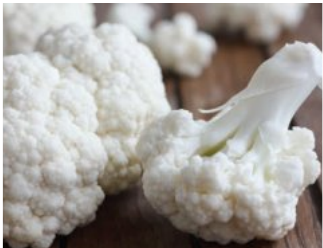
In this investigation, we use cauliflower florets as our plant material. Florets are the small flowering segments of the cauliflower head. Each floret has the potential to regenerate into a complete cauliflower plant, demonstrating the remarkable regenerative capacity of plant cells.
Note
The ability of plant cells to regenerate entire organisms from small tissue pieces is one of the most remarkable features of plant biology. This property, combined with controlled laboratory conditions, makes plant tissue culturing a powerful technique for agriculture and research.
The importance of aseptic technique
A critical aspect of plant tissue culturing is maintaining aseptic technique throughout the entire process. Aseptic technique refers to practices that prevent contamination by unwanted microorganisms such as bacteria and fungi.
Key aseptic practices include:
- Cleaning all work surfaces thoroughly with disinfectant solution
- Sterilising all equipment before use
- Minimising the time that plant material and growth medium are exposed to the air
- Using sterilised glassware and instruments
Important
If contamination occurs, harmful microorganisms can outcompete the plant tissue for nutrients, causing the experiment to fail. Proper aseptic technique dramatically increases the chance of successfully growing a healthy cloned plant. Even a single contaminating bacterium or fungal spore can multiply rapidly and ruin the entire culture.
Aim
The purpose of this investigation is to produce a cloned cauliflower plant using plant tissue culture techniques.
Materials required
Equipment
- Forceps (for handling small plant pieces)
- Scalpel or sharp knife (for cutting florets)
- Test tubes (for sterilisation)
- Petri dish containing agar growth medium
- Incubator or warm location
- Ruler or measuring tape (for accurate measurements)
Chemicals and solutions
- Fresh cauliflower
- Sodium dichloroisocyanurate (SDICN) - a sterilising agent
- Disinfectant solution
- Murashige and Skoog medium (or similar agar-based plant growth medium)
Safety equipment
- Safety glasses
- Lab coat
- Gloves
Note
Safety note: Always wear appropriate protective equipment when working with chemicals and sharp instruments. SDICN is a sterilising agent and should be handled with care. Ensure good ventilation when working with disinfectant solutions.
Method
Step 1: Prepare the workspace and equipment
Begin by creating a sterile working environment. Clean your laboratory bench thoroughly with disinfectant solution. Place the forceps and scalpel in a container of SDICN solution to sterilise them before use.
This initial cleaning step is crucial for preventing contamination from the start of the experiment.
Step 2: Cut the cauliflower florets
Using your sterilised scalpel or knife, carefully cut two segments from a cauliflower mini-floret. Each segment should be 3-5 mm in length and should be cut lengthways through the floret. These small pieces are called micro-florets.
Note
The size of the micro-florets is important - they need to be small enough to be properly sterilised but large enough to contain viable plant tissue for regeneration. If the pieces are too large, the sterilising solution may not penetrate effectively; if too small, there may not be enough viable cells to regenerate.
Step 3: Sterilise the micro-florets
Using your cleaned forceps, carefully pick up the micro-florets and place them into a test tube containing SDICN solution.
Sterilise the micro-florets thoroughly by swirling the test tube for 15 seconds, then wait 2 minutes. Repeat this swirling process for a total duration of 10 minutes.
This repeated swirling ensures that all surfaces of the micro-florets come into contact with the sterilising solution, killing any bacteria or fungal spores that might be present.
Important
Critical timing: The sterilisation process requires 15 seconds of swirling followed by 2 minutes of rest, repeated over 10 minutes. This specific timing is essential - insufficient sterilisation will lead to contamination, while over-sterilisation may damage the plant tissue and prevent regeneration.
Step 4: Transfer to growth medium
After the 10-minute sterilisation period, carefully remove the micro-florets from the SDICN solution using sterilised forceps. Gently press the stalks of the micro-florets into the agar growth medium in the Petri dish.
Work quickly but carefully to minimise the time the Petri dish lid is open. Close the lid immediately after placing the micro-florets to prevent airborne contamination.
Step 5: Incubation
Place the sealed Petri dish in an incubator or near a window where it will receive light. Maintain the temperature at approximately 21°C (room temperature).
Leave the Petri dish undisturbed for two weeks. During this time, if the procedure was successful, you should observe small shoots and leaves beginning to develop from the micro-florets. These can eventually be transplanted to soil to grow into full cauliflower plants.
Example
Expected Results After Two Weeks
If your tissue culture is successful, you should observe:
- Small green shoots emerging from the micro-florets
- Tiny root structures forming at the base
- Possible small leaf development
- The agar medium remaining clear (no bacterial or fungal growth)
If contamination has occurred, you will see:
- Cloudy or discolored agar
- Fuzzy growth (fungus) or slimy patches (bacteria)
- Unpleasant odour when opening the dish
Understanding the science
How can a tiny floret regenerate an entire plant?
Plant cells have a remarkable property called totipotency. This means that many plant cells retain the ability to develop into any type of plant cell, and ultimately, into a complete organism. When we provide the right conditions (nutrients, hormones, temperature, and light), the cells in the cauliflower micro-floret can dedifferentiate and then redifferentiate to form all the different cell types needed for a complete plant.
The growth medium contains plant hormones (such as auxins and cytokinins) that trigger this developmental process, encouraging the formation of roots and shoots.
Note
Understanding Totipotency
Totipotency is what makes plant cloning possible. Unlike most animal cells, which become permanently specialized, many plant cells can "reset" their development and become any cell type the plant needs. This is why a small piece of cauliflower floret, containing various cell types, can regenerate roots, stems, leaves, and eventually flowers - all from those original cells.
Applications of plant tissue culturing
Plant tissue culturing has numerous practical applications in modern agriculture and horticulture:
- Mass production of plants: Thousands of genetically identical plants can be produced quickly from a single parent plant
- Preservation of rare species: Endangered plants can be cloned and preserved
- Disease-free plants: Tissue culture can produce plants free from viruses and diseases
- Year-round production: Plants can be propagated regardless of season
- Genetic modification: Tissue culture is often used in conjunction with genetic engineering techniques
Note
Commercial Applications
Plant tissue culturing is widely used commercially for:
- Producing orchids and other ornamental plants
- Propagating banana plants free from disease
- Creating uniform crops of strawberries
- Preserving elite tree varieties for forestry
- Rapid multiplication of new crop varieties
Sustainability considerations
While plant tissue culturing offers many benefits, large-scale use raises some sustainability questions. Because all cloned plants are genetically identical, they may lack genetic diversity. This could make entire crops vulnerable to the same diseases or environmental stresses. A balanced approach using both tissue culture and traditional breeding methods helps maintain genetic diversity while benefiting from cloning technology.
Potential sources of error
Several factors can affect the success of this investigation:
Personal errors:
- Inadequate sterilisation due to insufficient swirling time
- Contamination from not closing Petri dish quickly enough
- Cutting micro-florets too large or too small
Systematic errors:
- Incorrect incubation temperature
- Poor quality or expired growth medium
- Contaminated equipment or materials
Random errors:
- Variation in the viability of different cauliflower florets
- Unpredictable environmental contamination
- Inconsistent lighting conditions
Improving the technique
To enhance aseptic technique and improve success rates:
- Work near a Bunsen burner flame to create an updraft that pushes airborne contaminants away
- Use a laminar flow hood if available
- Autoclave all equipment before use
- Prepare the growth medium fresh before the experiment
- Work quickly but carefully to minimise exposure time
- Use multiple replicates to account for random variation
Important
Increasing Success Rates
The most common cause of failure in plant tissue culturing is contamination. To maximise your chances of success:
- Practice your aseptic technique before the actual experiment
- Prepare all materials in advance so you can work quickly
- Never leave the Petri dish open longer than absolutely necessary
- If using a Bunsen burner, work in the "zone of sterility" near the flame
- Consider setting up multiple cultures to account for potential failures
Summary
Key Points to Remember:
-
Plant tissue culturing (micropropagation) involves cloning complete plants from small tissue segments under sterile, controlled conditions.
-
Aseptic technique is absolutely essential to prevent contamination by bacteria and fungi. This includes sterilising all equipment, cleaning surfaces, and minimising exposure to air.
-
Micro-florets must be properly sterilised by swirling in SDICN solution for 15 seconds every 2 minutes over a 10-minute period.
-
Successful cloning requires precise conditions: appropriate growth medium (containing nutrients and hormones), controlled temperature (approximately 21°C), adequate light, and sufficient time (about 2 weeks for initial growth).
-
Plant cells are totipotent, meaning they can develop into any cell type and regenerate a complete organism when given the right signals and environmental conditions.
-
The technique has wide-ranging applications in agriculture, but maintaining genetic diversity is important for long-term sustainability.