Observation of Characteristics from Crossbreeding Animals (Leaving Cert Agricultural Science): Revision Notes
📚Revision Notes
Observation of Characteristics from Crossbreeding Animals
Introduction
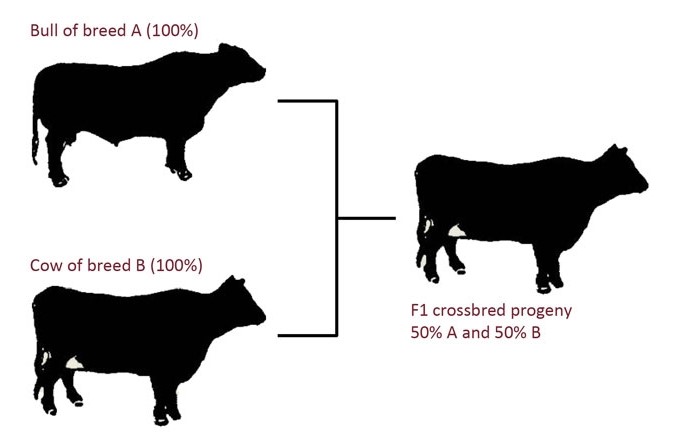
This practical activity involves visiting a farm to observe and record the physical characteristics of different animal breeds and their offspring. The purpose is to understand how traits are passed from parent animals to their young through crossbreeding programmes. This is a fundamental concept in modern agriculture, where farmers strategically breed animals to combine desirable characteristics from different breeds.
Note
This practical demonstrates key principles of genetics and selective breeding that are essential for understanding modern agricultural practices. It provides hands-on experience with concepts you'll encounter in both theoretical exams and practical assessments.
Key terminology
Crossbreeding - The mating of animals from different breeds to produce offspring that combine characteristics from both parent breeds.
Sire - The male parent animal (father) in a breeding programme.
Dam - The female parent animal (mother) in a breeding programme.
Conformation - The overall body shape, structure and physical appearance of an animal, including how well-proportioned and muscled it is.
Inheritance - The passing of characteristics from parent animals to their offspring through genetic material.
Dual-purpose cattle - Cattle breeds that are good for both milk production and beef production.
Method and procedure
When conducting this practical activity, you need to follow a systematic approach to ensure accurate observations:
Step 1: Breed identification
During your farm visit, begin by identifying the different breeds of sheep or cattle present on the farm. Each breed has distinctive characteristics that make them suitable for different purposes.
Step 2: Observing the sire
Carefully examine the male parent animal and record its key physical features. Pay particular attention to breed-specific characteristics that distinguish it from other breeds.
Note
Take your time during observations and use a systematic approach. Having a prepared checklist or recording sheet will help ensure you don't miss important details during your farm visit.
Step 3: Assessing conformation
Focus your observations on four main body areas:
- Hindquarters - The rear section including hips and thighs
- Shoulders - The front section and chest area
- Torso - The middle body section and ribcage
- Back - The spine area from shoulders to hindquarters
Step 4: Examining the dams
Study the female parent animals using the same systematic approach. Record their breed characteristics and conformation details for comparison with the sire.
Step 5: Recording offspring characteristics
If young animals are present, document their physical features carefully. Look for traits that appear to come from each parent.
Step 6: Identifying inherited traits
Note which characteristics the offspring have inherited from the sire and which come from the dam. This helps demonstrate inheritance patterns in action.
What to observe and record
During your observations, focus on documenting:
- Breed names and types of all animals observed
- Physical differences between sire and dams
- Size and muscle development in different body areas
- Colour patterns and markings
- Overall body proportions and structure
- How offspring characteristics compare to both parents
Important
Remember that conformation characteristics are typically inherited more strongly from the sire, while other traits may come from either parent. This is a key concept that frequently appears in exam questions.
Case study example
Example
Practical Example: Hereford x Friesian Crossbreeding
The breeding programme: A farmer uses a Hereford stock bull (sire) with Friesian dairy cows (dams) to produce crossbred offspring.
Hereford characteristics: This beef breed has excellent conformation with well-developed hindquarters, shoulders, torso and back. Herefords are known for their muscular build and good meat-producing qualities.
Friesian characteristics: These dairy cows are excellent milk producers with high yields and easy calving. They have the body shape typical of dairy breeds, being less muscular than beef breeds.
Crossbred offspring: The resulting calves are called Black Whiteheads. These are dual-purpose cattle that inherit:
- Good milk production ability from the Friesian dams
- Improved beef conformation from the Hereford sire
- A combination that makes them valuable for both milk and meat production
Expected results and conclusions
Your observations should reveal that parent animals from different breeds show distinct physical characteristics. The crossbred offspring will display a mixture of traits inherited from both parents, though conformation characteristics typically show stronger influence from the sire.
This demonstrates the principle that farmers can strategically combine breeds to produce animals with desired characteristics for specific purposes, such as improved milk production, better meat quality, or dual-purpose capabilities.
Note
The ability to observe and explain inheritance patterns in crossbred animals demonstrates understanding of both genetics principles and practical agricultural applications. This connects theoretical knowledge with real-world farming practices.
Important
Exam Tips and Key Points
- Always use correct terminology (sire/dam, not male/female)
- Be specific when describing conformation - mention the four key body areas
- Explain the agricultural benefits of crossbreeding programmes
- Use examples from Irish farming contexts when possible
- Remember that this practical demonstrates both inheritance and selective breeding principles
Summary
Key Points to Remember:
- Sire = male parent, Dam = female parent - don't confuse these terms
- Conformation refers to body shape and muscular development, assessed in four main areas: hindquarters, shoulders, torso, and back
- Crossbreeding combines desirable traits from different breeds for specific purposes
- Inheritance patterns can be observed by comparing offspring characteristics to both parents
- This practical demonstrates how modern farmers strategically improve their livestock through selective breeding programmes