Percentage of Organic Matter in Soil (Leaving Cert Agricultural Science): Revision Notes
📚Revision Notes
Percentage of Organic Matter in Soil
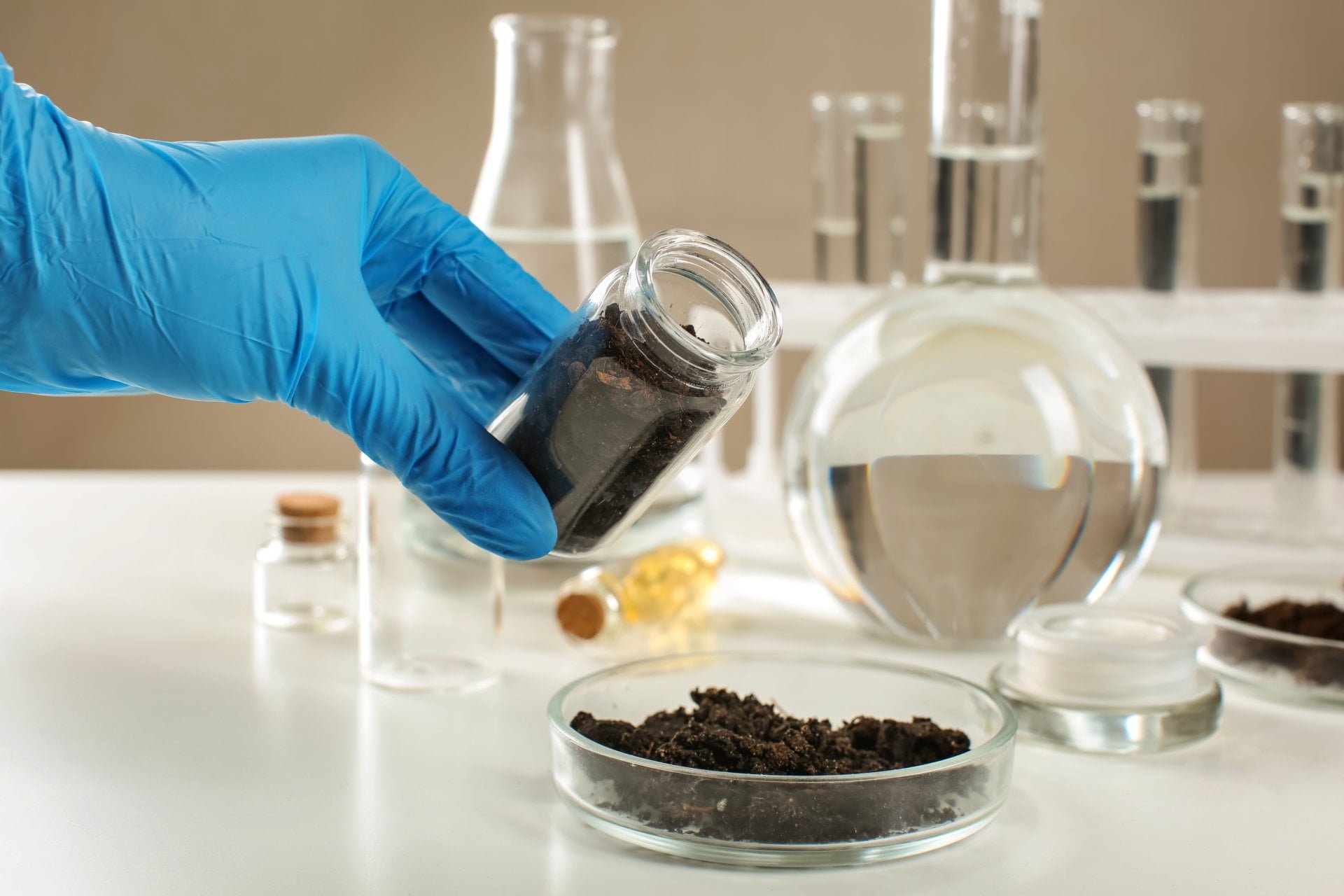
This practical activity is a key Leaving Cert specified practical that determines how much organic matter (also called humus) is present in a soil sample. Understanding soil organic matter content is crucial for assessing soil fertility and quality.
What this experiment measures
Organic matter in soil consists of decomposed plant and animal material that provides nutrients for plants and improves soil structure. This experiment uses heat to burn away the organic components, leaving only the inorganic matter (minerals and sand). By measuring the weight loss, we can calculate the percentage of organic matter originally present.
Note
This practical demonstrates the principle that organic compounds decompose at high temperatures while inorganic minerals remain stable. The technique is widely used in soil science and agriculture to assess soil quality.
Apparatus required
You'll need the following equipment for this practical:
- Sample of dry soil (pre-dried at 100°C for 48 hours)
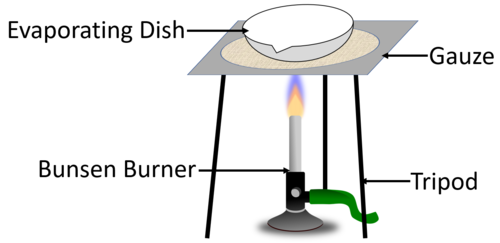
- Evaporating basin
- Electronic balance (for accurate weighing)
- Bunsen burner
- Tripod stand
- Wire gauze (to support the evaporating basin)
- Tongs (for handling hot equipment safely)
Note
The soil sample must be completely dry before starting. Any moisture present would interfere with accurate weight measurements and affect your final results.
Method and procedure
Step 1: Initial preparation Start with a soil sample that has already been dried in an oven at 100°C for 48 hours. This removes any moisture that could affect your results.
Step 2: Weigh the empty basin Use the electronic balance to accurately weigh your empty evaporating basin. Record this weight.
Step 3: Add soil and reweigh Place your soil sample into the evaporating basin and weigh again. This gives you the total weight of basin plus soil.
Step 4: Calculate soil weight Subtract the weight of the empty basin from the total weight to find the exact weight of your dry soil sample.
Step 5: Set up heating apparatus Position the evaporating basin on wire gauze over a tripod stand. Place the Bunsen burner underneath, ready to provide strong heating.
Step 6: Heat the soil strongly Apply strong heat to the soil sample. The organic matter will begin to burn and decompose.
Step 7: Observe changes During heating, you'll notice smoke being produced and may detect a burning smell. These are clear signs that organic matter is being destroyed by the heat.
Step 8: Cool and reweigh After five minutes of heating, allow the sample to cool completely, then reweigh it. The weight will have decreased as organic matter has been burned away.
Step 9: Heat to constant weight Continue heating in 5-minute intervals, cooling and reweighing each time. Stop when the weight remains constant between two consecutive weighings - this means all organic matter has been removed.
Important
Critical Step: Heating to Constant Weight
You must continue the heating cycles until two consecutive weighings give the same result. If you stop too early, some organic matter will remain, leading to inaccurate results. This is the most common source of error in this practical.
Step 10: Record final results Note your final weight and calculate the percentage of organic matter using the appropriate formula.
Calculations and results
The key to this practical lies in accurate calculations using the weight changes observed:
For percentage organic matter:
For percentage inorganic matter:
Example
Worked Example: Calculating Organic Matter Content
Step 1: Record your measurements
- Weight of empty basin = 45.2 g
- Weight of basin + soil = 65.2 g
- Weight of basin + soil after heating = 63.8 g
Step 2: Calculate the weight of original soil Original soil weight = 65.2 - 45.2 = 20.0 g
Step 3: Calculate weight loss during heating Weight loss = 65.2 - 63.8 = 1.4 g
Step 4: Calculate percentage organic matter Percentage organic matter =
Step 5: Calculate percentage inorganic matter Final soil weight = 63.8 - 45.2 = 18.6 g Percentage inorganic matter =
Step 6: Check your answer 7.0% + 93.0% = 100.0% ✓
Important
Important note: The sum of organic percentage and inorganic percentage should always equal 100%. If your results don't add up to 100%, check your calculations for errors.
Key observations during the experiment
- Smoke production indicates organic matter is being burned
- Distinctive burning smell confirms decomposition is occurring
- Weight loss shows organic matter being removed
- Colour change - soil may become lighter or more reddish after heating
Safety considerations
Important
Safety Precautions
- Always use tongs when handling hot equipment
- Ensure good ventilation due to smoke production
- Allow apparatus to cool completely before weighing
- Be careful with the Bunsen burner and hot surfaces
- Keep the workspace clear and organised
Exam tips
Summary
Key Points for Exam Success:
- Show all calculations clearly - examiners award marks for working
- Record weights to appropriate decimal places using the electronic balance
- Explain why heating to constant weight is important - ensures complete removal of organic matter
- Know typical results - most Irish soils contain 2-10% organic matter
- Understand the biological significance - high organic matter content indicates fertile, productive soil
Common mistakes to avoid
Important
Avoid These Common Pitfalls:
- Not heating to constant weight (leading to inaccurate results)
- Forgetting to subtract the weight of the empty basin
- Poor ventilation causing inaccurate observations
- Not allowing complete cooling before weighing
- Arithmetic errors in percentage calculations
- Recording weights to insufficient decimal places
Remember!
Summary
Key Points to Remember:
- Organic matter burns away when soil is heated strongly, causing weight loss
- Two key formulas are needed: one for organic matter percentage and one for inorganic matter percentage
- Heating to constant weight ensures all organic matter has been removed
- Smoke and smell are important observations that show organic matter decomposing
- Results should add up to 100% when you combine organic and inorganic percentages
- Most Irish soils contain 2-10% organic matter
- Higher organic matter content indicates more fertile soil