Percentage Water Content of Soil Sample (Leaving Cert Agricultural Science): Revision Notes
📚Revision Notes
Percentage Water Content of Soil Sample
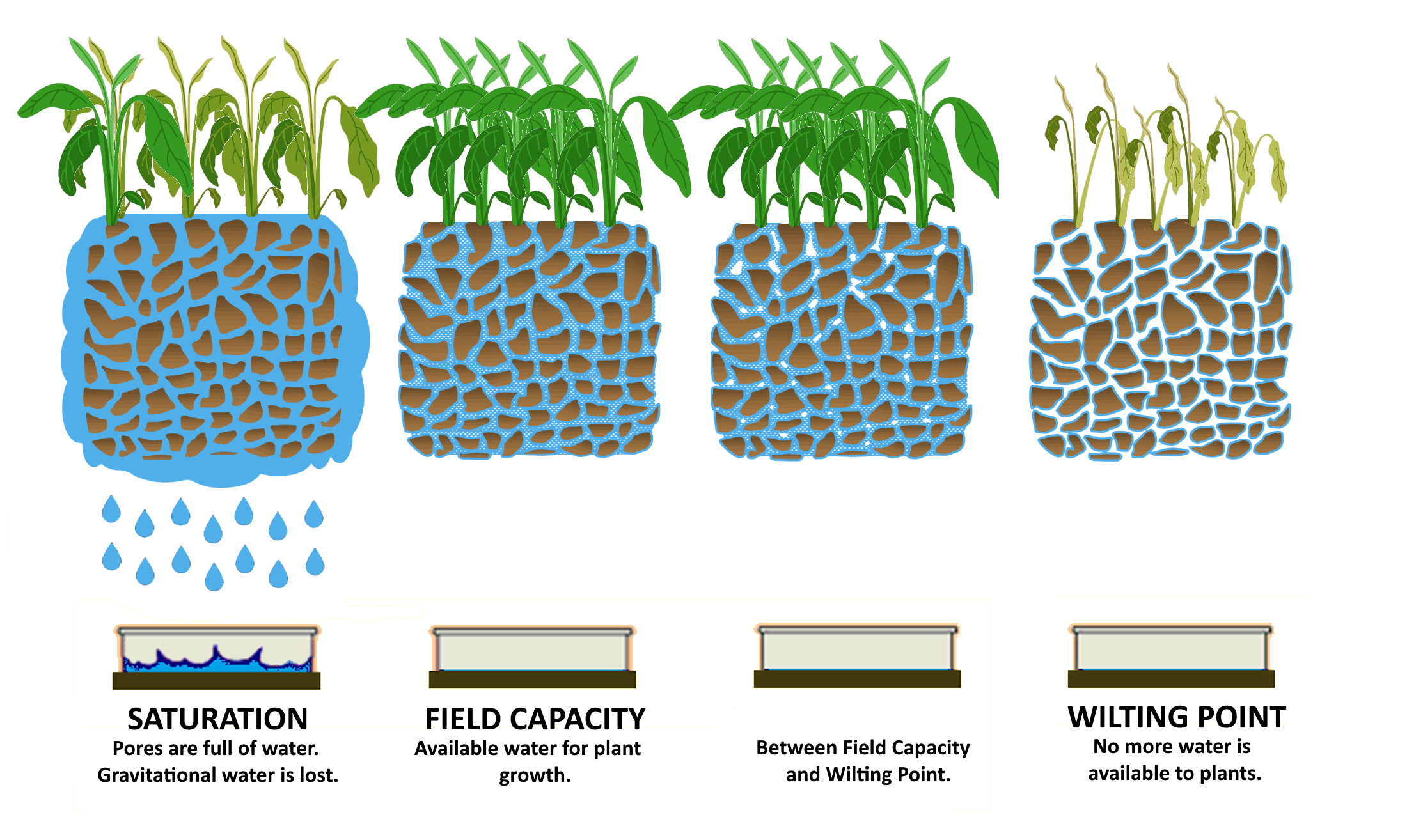
Understanding soil water content
Soil water content is a crucial measurement in agricultural science that tells us how much water is present in a soil sample. This practical activity teaches you to determine the percentage of water in soil by measuring the weight difference before and after removing all moisture through controlled drying. Understanding soil moisture levels is essential for making informed decisions about irrigation, drainage, and crop management on Irish farms.
Note
The percentage water content directly affects soil structure, plant growth, and the timing of field operations. When soil water content is too high, fields may become waterlogged and unsuitable for machinery. When too low, crops may suffer from drought stress.
Aim of the experiment
The main objective is to calculate the percentage water content of a soil sample by measuring the weight loss that occurs after oven-drying the sample at a controlled temperature. This gravimetric method is the standard laboratory technique used throughout the agricultural industry for accurate soil moisture determination.
Essential equipment
To carry out this practical successfully, you'll need several pieces of laboratory equipment:
- Soil sample: Fresh soil collected from the field
- Weighing balance: Accurate to 0.01g for precise measurements
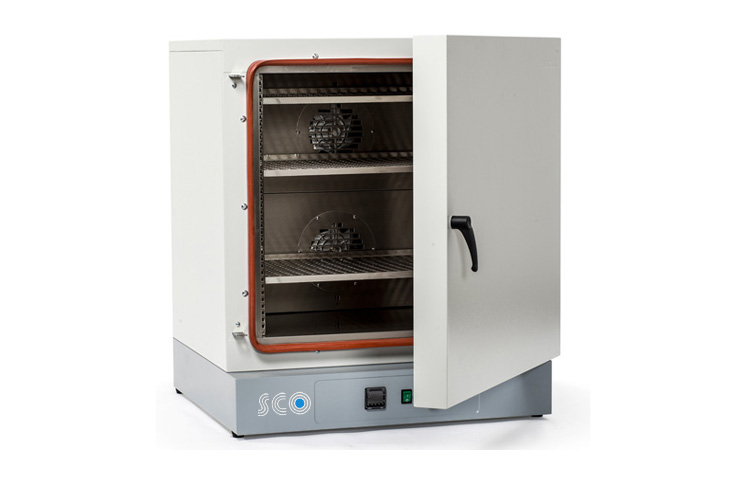
- Drying oven: Set to 105°C for consistent moisture removal
- Heat-proof crucibles or tins: To contain the soil during heating
- Desiccator: Contains drying agent to prevent moisture reabsorption
- Tongs or gloves: For safe handling of hot equipment
Important
The weighing balance must be highly accurate since small weight differences are crucial for reliable results. The drying oven temperature of 105°C is specifically chosen because it's hot enough to remove all water without decomposing organic matter in the soil.
Step-by-step method
The procedure involves five systematic steps that must be followed carefully:
Step 1: Weigh the empty crucible and record this as the empty weight (WE). This baseline measurement is essential for accurate calculations.
Step 2: Add a sample of moist soil to the crucible and weigh again. Record this as the weight of crucible plus moist soil (WM).
Step 3: Place the crucible and soil in the drying oven at 105°C for 24 hours. This temperature and duration ensure complete water removal without damaging the soil particles.
Step 4: Remove the crucible from the oven and immediately place it in a desiccator to cool. The desiccator prevents the dried soil from reabsorbing moisture from the air during cooling.
Step 5: Once cooled, weigh the crucible and dried soil, recording this as the weight of crucible plus dry soil (WD). Repeat the drying process if the weight hasn't stabilised.
Calculating water content percentage
The water content percentage is calculated using a specific formula that compares the weight of water lost to the weight of dry soil:
Where:
- = Weight of crucible + moist soil
- = Weight of crucible + dry soil
- = Weight of empty crucible
Example
Worked Example: Calculating Water Content
Given measurements:
- Empty crucible weight () = 50g
- Crucible + moist soil weight () = 80g
- Crucible + dry soil weight () = 65g
Step 1: Calculate the water lost Water lost = = 80g - 65g = 15g
Step 2: Calculate the dry soil weight Dry soil weight = = 65g - 50g = 15g
Step 3: Apply the formula
This soil sample contains 100% water content by weight.
Understanding potential errors
Important
Common Sources of Error:
Incomplete drying occurs when the oven time is insufficient or the temperature is too low. This leads to underestimating water content because some moisture remains in the soil.
Moisture reabsorption happens if the dried soil isn't properly cooled in a desiccator. The soil can absorb water vapour from the air, giving artificially high dry weights and underestimating water content.
Soil loss during handling can occur when transferring samples between containers or during the drying process. Even small losses affect the final calculation significantly.
Agricultural significance and exam tips
Understanding soil water content is vital for Irish agriculture as it affects:
- Soil aeration: Proper air circulation for root respiration
- Drainage planning: Identifying fields that need improved drainage systems
- Crop suitability: Matching crops to soil moisture conditions
Note
For exam success, remember that this method determines water content through weight loss after drying. The key formula relates the water lost to the dry soil weight, and the standard drying conditions are 105°C for 24 hours.
This practical demonstrates the scientific approach to soil analysis that underpins modern agricultural decision-making across Ireland's diverse farming systems.
Summary
Key Points to Remember:
- Water content is determined by measuring weight loss after oven-drying at 105°C
- The calculation formula is:
- Proper cooling in a desiccator prevents moisture reabsorption errors
- Soil water content affects aeration, drainage, and crop management decisions
- This gravimetric method is the industry standard for accurate soil moisture analysis