Community, Playground, and Indigenous Games (Grade 11 NSC Matric Life Orientation): Revision Notes
📚Revision Notes
Community, Playground, and Indigenous Games
Community, playground, and indigenous games are fantastic ways to stay active while connecting with your cultural heritage and building friendships. These games require minimal equipment, can be adapted for different abilities, and provide excellent opportunities to develop physical skills, teamwork, and strategic thinking.
The beauty of these games lies in their flexibility - you can combine elements from different games to create your own variations, or adapt them to suit the space and equipment you have available. Many of these games have been passed down through generations and represent an important part of South African culture.
Note
These traditional games serve a dual purpose: they provide excellent physical exercise while preserving important cultural knowledge and practices that connect us to our heritage.
Traditional and indigenous games
Mbube, mbube (Lion hunt)
This traditional South African game gets its name from the isiZulu word "mbube," meaning lion. The game recreates the excitement of a lion hunt through a thrilling chase activity.
Game objective: The "lion" must catch the "impala" (antelope) whilst blindfolded, relying on sound and the guidance of other players.
What you'll need: Two blindfolds or scarves
How to play: Players form a circle holding hands, with two blindfolded players in the centre - one lion and one impala. The circle guides the action by chanting "mbube" - loudly when the lion is close to the impala, softly when far away. This creates an exciting atmosphere where the blindfolded players must use their hearing to navigate the game. If the lion catches the impala within a minute or two, choose a new impala to continue the fun.
Note
The word "impala" refers to a type of antelope commonly found in southern Africa. In this game, the impala represents the prey that the lion is hunting, making the chase more authentic to traditional hunting scenarios.
Mamba (Snake game)
Inspired by the feared mamba snake, this game combines strategy with quick reflexes as players try to avoid being caught by the growing "snake."
Game objective: Avoid being caught by the mamba whilst staying within the designated playing area.
What you'll need: A marked playing area
How to play: Choose one player to be the mamba. All other players must stay within the marked area and avoid being tagged. When the mamba catches someone, that player joins the snake by holding onto the mamba's shoulders or waist. The snake grows longer with each catch, but only the "head" (original mamba) can tag new players. The game continues until only one player remains free, who becomes the next mamba.
Example
Game Variation: Multiple Mambas
For larger groups (15+ players), start with two mambas in opposite corners of the playing area. This creates more action and prevents long waiting times. Each mamba grows its own snake, and the game ends when all players are caught by either snake.
Equipment-based playground games
Elastics
This classic playground game challenges players to perform increasingly difficult jumping sequences using a large elastic band.
Game objective: Successfully complete jumping patterns at progressively higher elastic positions.
What you'll need: A long piece of elastic (approximately 5mm wide and 3m long)
How to play: All players except the leader stand inside the elastic loop, stretching it around their ankles. The leader performs specific jumping sequences: both feet under the elastic, both feet on top, one foot on each side, then alternating positions. After completing all jumps at ancle height, the elastic moves up to knees, then thighs, waist, and finally chest level. If a player struggles with the jumps, they can swap places with someone holding the elastic.
Note
Elastics can be made from large rubber bands tied together, or you can purchase purpose-made elastic loops from sports stores. The key is ensuring the elastic has enough stretch to accommodate different jumping positions.
Sack racing
This hilarious game combines balance, coordination, and speed as players hop towards the finish line in sacks.
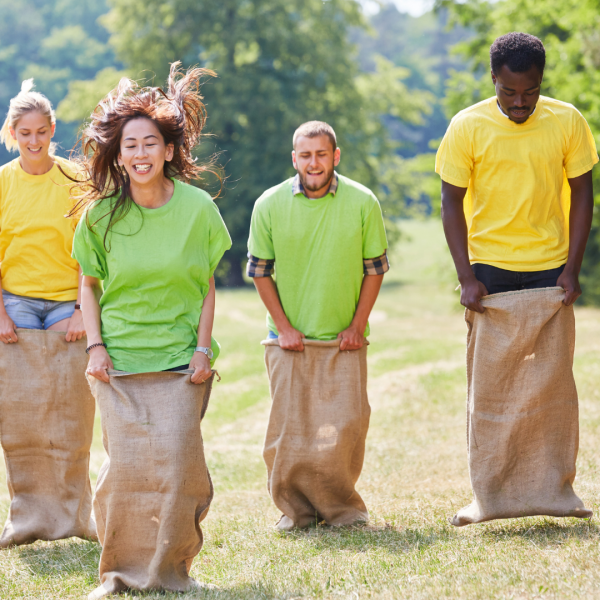
Game objective: Be the first to reach the finish line whilst hopping in a sack.
What you'll need: Sacks or large bags, blindfolds
How to play: Up to ten players can race simultaneously, each with a partner acting as a guide. The racing player gets into their sack and is blindfolded by their partner. When the race begins, the guides help their partners navigate towards the finish line by providing directions and encouragement. The combination of being in a sack and blindfolded creates plenty of laughter and excitement.
Steal the scarf
This fast-paced game tests agility and protective instincts as players try to collect scarves whilst defending their own.
Game objective: Collect the most scarves without losing your own.
What you'll need: A scarf, piece of cloth, or strip of paper for each player
How to play: Each player tucks their scarf into their belt or waistband, leaving most of it visible. Players chase each other around the playing area, trying to grab opponents' scarves whilst protecting their own. Once you lose your scarf, you're eliminated from the game. The last player with a scarf wins and can enjoy bragging rights!
Example
Adaptation for Different Ages
For younger children (5-8 years), use longer scarves and allow players to hold onto the scarf end while tucking it in their waistband. This makes it easier to grab while still challenging enough to be fun.
For older players (12+), introduce team versions where captured players can be "freed" by teammates touching their shoulders.
Ball games
Kick and catch
This simple but challenging game develops coordination and teamwork through repetitive ball-handling skills.
Game objective: Make ten consecutive catches without dropping the ball.
What you'll need: One ball
How to play: Divide into two teams facing each other. A referee starts by kicking the ball high into the air. All players attempt to catch it, and whoever succeeds immediately kicks it back up for the next attempt. Teams work together to reach ten catches in a row without dropping the ball. This game improves reaction times and creates exciting moments of competition.
Slap ball
This engaging circle game focuses on hand-eye coordination and keeping the ball airborne through teamwork.
Game objective: Keep the ball from touching the ground by slapping it upwards with your hands.
What you'll need: A soft ball
How to play: Five to six players form a circle, though the game works well with more or fewer participants. Players use only their hands to slap the ball upward, preventing it from hitting the ground. The game can be easily adapted for players with mobility difficulties by arranging chairs in a circle and playing whilst seated.
Note
Use a soft, lightweight ball like a beach ball or foam ball to make the game more accessible and reduce the risk of injury. This also makes it easier for younger children to participate successfully.
Bounce ball
This individual skill game challenges players to master four different ball-bouncing techniques in sequence.
Game objective: Successfully complete four different bouncing patterns without dropping the ball.
What you'll need: One ball per player
How to play: Players progress through four bouncing challenges:
- Bounce 1: Bounce the ball between your legs five times, catching it with one hand each time
- Bounce 2: Hold one arm out and bounce the ball over it five times, catching with the throwing hand
- Bounce 3: Stick one leg out and bounce the ball over it five times, catching with the same hand
- Bounce 4: Make a circle with your arm and bounce the ball through it five times as it falls
Ultimate frisbee
This modern game combines elements of rugby and netball using a flying disc, emphasising fair play and sportsmanship.
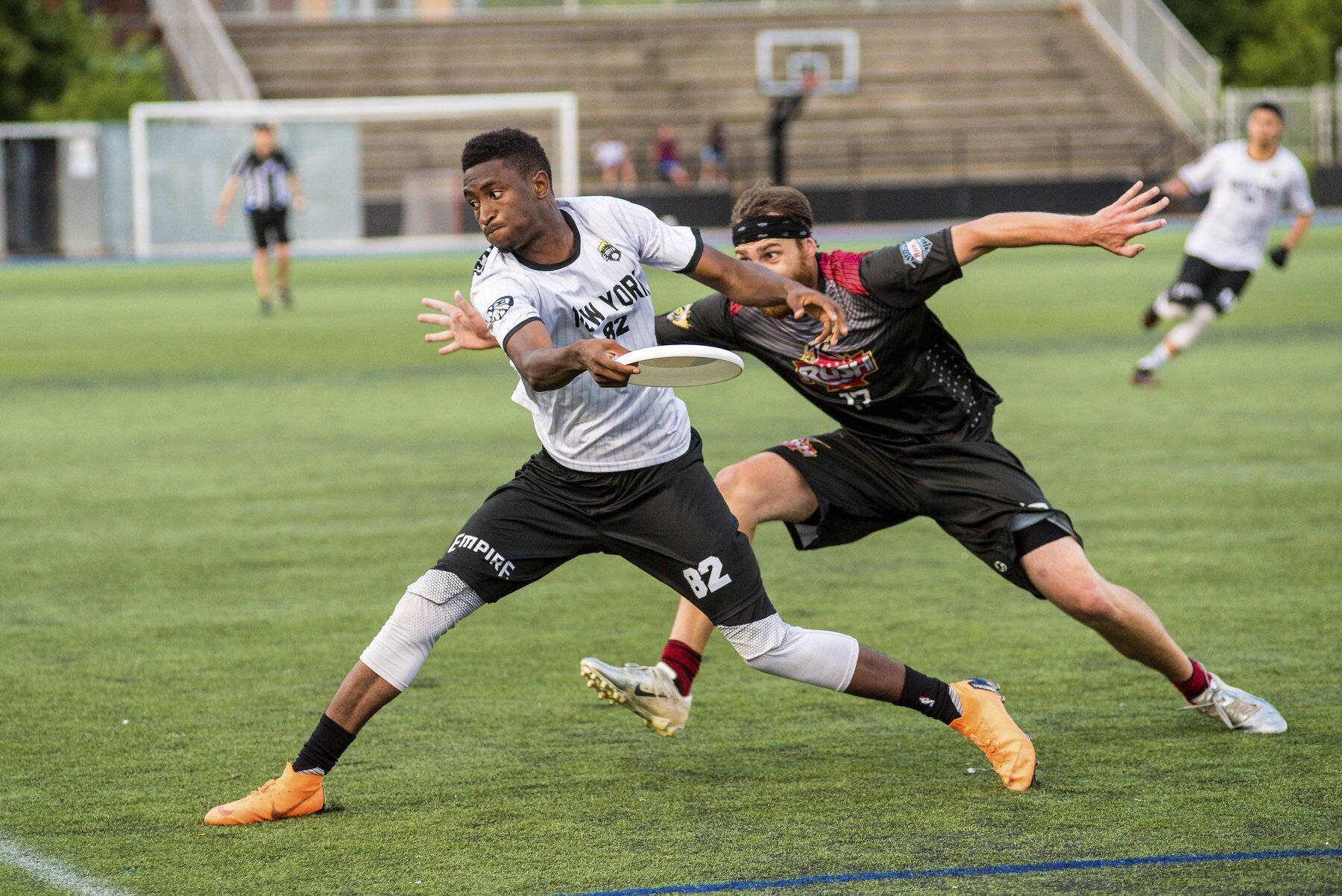
Game objective: Score by catching the frisbee in the opponent's end zone.
What you'll need: A frisbee (or plastic coffee tin lid as substitute)
How to play: Play on a field with marked end zones. Teams try to move the frisbee towards the opponent's end zone by passing it between teammates. Players cannot run with the frisbee and must pass within ten seconds. The game emphasises the "honour system" where players act as their own referees, promoting good sportsmanship. Points are scored when the frisbee is caught in the end zone. The game can be adapted for wheelchair users and played in various formats.
Note
Ultimate Frisbee is unique among sports because it relies on the "Spirit of the Game" - players are responsible for their own fair play and calling their own fouls. This makes it an excellent game for developing character and sportsmanship alongside physical skills.
Group activity games
Windows and doors
This creative game combines running, strategy, and quick decision-making as players create opportunities to catch the leader.
Game objective: Weave in and out through the circle without being caught.
What you'll need: A shaker or container with small stones, blindfolds
How to play: Players form a circle holding hands with eyes closed or blindfolded, leaving large gaps (windows and doors) between each person. One player holds a shaker and runs in and out of these gaps. Circle players can drop their arms at any time to try catching the leader. Once caught, the leader chooses the next person to weave through the windows and doors.
Juggle fun
This skill-building game comes in three variations, each testing different aspects of coordination and concentration.
Game objective: Keep multiple objects in the air longer than other players through various juggling challenges.
What you'll need: Three to five balls, tennis balls, or even oranges and apples
How to play: The game offers three different challenges:
- Juggle 1: Race whilst juggling at least two balls - if you drop any, start again
- Juggle 2: Throw multiple balls high and catch as many as possible - most catches wins
- Juggle 3: Juggle while following leader commands like "stand on one leg," "hop," "walk slowly," or "turn around"
Example
Progressive Juggling Skills
Start beginners with one ball: throw it from hand to hand at eye level, focusing on consistent throws and catches. Once comfortable, add a second ball, then gradually increase difficulty. Use scarves instead of balls for absolute beginners as they fall more slowly and are easier to track visually.
Safety considerations
Important
Essential Safety Guidelines
When playing these games, always prioritise safety and inclusion:
- Blindfold safety: Ensure blindfolds are clean and not tied too tightly around players' eyes
- Clear playing area: Remove all obstacles that could cause trips or collisions
- Adequate supervision: Have enough sighted players to help prevent accidents
- Gentle equipment: Use soft balls to reduce injury risk
- Controlled pace: Reduce game speed when necessary to maintain safety
- Inclusive adaptations: Modify games for players with different physical abilities, such as playing seated versions or using guide partners
Remember: Safety first, fun second - never compromise player wellbeing for the sake of the game.
Summary
Key Points to Remember:
- Community, playground, and indigenous games are excellent ways to stay active while connecting with South African cultural heritage
- Most games require minimal equipment and can be adapted for different spaces and abilities
- Traditional games like Mbube preserve important cultural knowledge whilst providing great exercise
- Safety should always be the top priority - clean equipment, clear spaces, and careful supervision prevent injuries
- These games develop multiple skills including coordination, teamwork, strategy, and social interaction
- You can create your own variations by combining elements from different games to suit your group's needs and preferences