Fitness Warm-Ups and Cool-Downs (Grade 11 NSC Matric Life Orientation): Revision Notes
📚Revision Notes
Fitness Warm-Ups and Cool-Downs
Understanding and implementing proper warm-up and cool-down routines is fundamental to safe and effective exercise. These essential phases help prepare your body for physical activity and support recovery afterwards, reducing injury risk whilst enhancing performance.
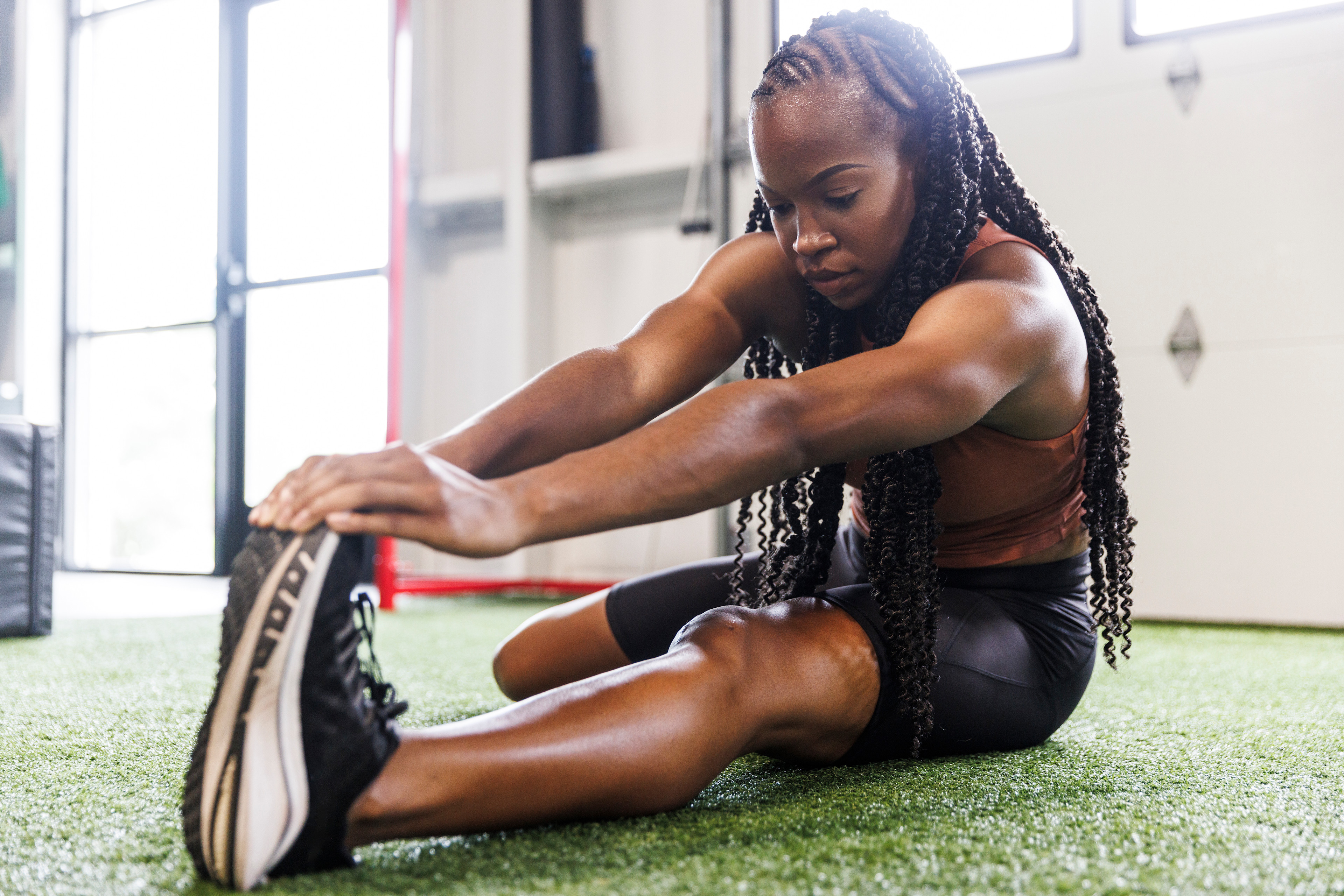
Why warm-ups and cool-downs matter
Note
Warm-ups gradually prepare your body for more intense physical activity. They increase your heart rate, improve blood flow to working muscles, raise your core body temperature, and enhance joint mobility. This preparation helps prevent injuries and improves your exercise performance.
Cool-downs help your body transition safely from exercise back to rest. They prevent blood pooling in your muscles, reduce muscle stiffness, and help your cardiovascular system gradually return to its resting state.
Comprehensive warm-up routine
The following exercises should be performed in sequence, progressing from gentle cardiovascular activation through to targeted muscle preparation. Each exercise serves a specific purpose in preparing your body for more demanding physical activity.
Dynamic movement exercises
These activities get your cardiovascular system working and begin warming your muscles.
Example
Exercise Example: Slow Jogging
Start your warm-up with gentle jogging around your exercise area or sports field. This low-intensity cardiovascular activity gradually raises your heart rate and body temperature, preparing your muscles for more demanding movements. Keep the pace comfortable and controlled.
Key technique points:
- Maintain a steady, comfortable rhythm
- Land softly on your feet
- Keep your posture upright and relaxed
Leg swings Support yourself against a wall or chair if needed for balance. Swing one leg forwards and backwards in a smooth, controlled motion, allowing the momentum to gently stretch your hip flexors and hamstrings. This dynamic movement prepares your legs for running, jumping, and directional changes. Complete the exercise with both legs.
Upper body mobility
These exercises target areas that commonly hold tension and require good mobility for sports performance.
Example
Exercise Example: Neck Movements
Begin by gently tucking your chin towards your chest, then slowly lifting it upward as far as comfortable. Next, lower your left ear towards your left shoulder, feeling a gentle stretch along the right side of your neck, then repeat on the opposite side. Finish with slow, controlled rotation of your chin from one shoulder to the other.
Purpose: These movements release neck tension and improve cervical spine mobility.
Shoulder circles Stand with feet hip-width apart and arms relaxed at your sides. Begin making small circular motions with both shoulders simultaneously, gradually increasing the size of the circles. After several forwards rotations, reverse the direction. This exercise warms up the shoulder joints and prepares the surrounding muscles for overhead movements and throwing actions.
Shoulder shrugs With feet positioned slightly wider than shoulder-width and knees slightly bent, lift both shoulders towards your ears in a smooth upward motion. Hold briefly at the top, then lower them back to the starting position. This simple movement helps release upper trapezius tension and prepares your shoulders for activity.
Spinal mobility and core preparation
A mobile spine and engaged core are essential for most physical activities and injury prevention.
Example
Exercise Example: Side Bends
Stand tall with feet slightly wider than shoulder-width apart and hands resting at your sides. Slowly bend laterally to one side, keeping the movement controlled and avoiding any forwards or backwards leaning. Feel the gentle stretch along your side body, then return to centre and repeat on the other side.
Benefits: This exercise improves lateral spinal flexibility and prepares your oblique muscles.
Hip circles Place your hands on your hips with feet spread wider than shoulder-width. Create slow, controlled circles with your hips, moving in a clockwise direction for about 10 repetitions, then reversing to anticlockwise. This movement mobilises your lower back, hip joints, and pelvis whilst engaging your core muscles.
Functional strength preparation
These exercises activate major muscle groups and prepare them for more demanding activities.
Example
Exercise Example: Half Squats
From standing, extend your arms in front of you to assist with balance. Bend your knees and lower your body until your thighs reach approximately 45 degrees with the ground. Ensure your knees track in line with your toes and don't cave inward. Keep your back straight and chest lifted throughout the movement.
Purpose: This exercise activates your quadriceps, glutes, and core muscles whilst preparing your legs for jumping, sprinting, and change-of-direction movements.
Important
Proper Plank Progression
When performing the lower-back strengthening progression, maintain a straight line from head to heels in the plank position. Position your elbows directly below your shoulders. Never allow your hips to sag or pike upward, as this reduces the exercise effectiveness and may strain your lower back.
Targeted stretching
These static stretches improve flexibility in key muscle groups and prepare them for activity.
The following stretches should be held for 15-30 seconds each, focusing on gentle, sustained tension rather than bouncing or forcing the movement.
Example
Exercise Example: Chest Stretch
Stand with feet slightly wider than shoulder-width apart. Extend both arms out to the sides at shoulder height, parallel to the ground with palms facing forwards. Gently pull your arms backwards whilst lifting your chest, feeling the stretch across your pectoral muscles.
Benefits: This stretch prepares your chest for throwing movements and improves posture.
Upper-back stretch With feet positioned slightly wider than shoulder-width apart, interlock your fingers in front of your body. Push your hands away from your chest as far as possible whilst allowing your upper back to round slightly. You should feel the stretch between your shoulder blades in the rhomboid and middle trapezius muscles.
Biceps stretch Stand tall with arms extended out to the sides at shoulder height, palms initially facing forwards. Rotate your hands so your palms face backwards, then gently stretch your arms further back. This stretch targets your biceps muscles and anterior deltoids whilst opening up your chest.
Shoulder stretch Place one arm horizontally across the front of your chest. Use your opposite forearm to gently pull the stretched arm closer to your body whilst keeping your shoulders level. Feel the stretch in your posterior deltoid and upper back. Hold the position before switching to the other arm.
Shoulder and triceps stretch Reach both hands above your head, then slide them down the middle of your spine as far as comfortable. This stretch targets your shoulder muscles, particularly the triceps at the back of your arms, and helps improve overhead mobility.
Torso stretch Lie face-down on the ground with legs extended. Place your hands beside your shoulders and gently press your chest up off the floor whilst keeping your hips in contact with the ground. This stretch targets your abdominal muscles and hip flexors whilst improving spinal extension.
Quadriceps stretch Lying face-down, rest your forehead on one hand for support. Bend your opposite knee and bring your foot towards your buttocks. Gently grasp your ancle and ease the foot closer to your body until you feel a stretch along the front of your thigh. This stretch prepares your quadriceps muscles for running and jumping activities.
Effective cool-down routine
After completing your main exercise or sport activity, proper cool-down helps your body recover efficiently and prevents post-exercise complications.
Note
Repeat key stretches Perform the same stretching exercises from your warm-up routine, particularly focusing on the muscle groups you used most during your main activity. During cool-down, hold each stretch slightly longer than you did in your warm-up, as your muscles are now warm and more pliable.
Gentle walking Complete your session with 5-10 minutes of slow, relaxed walking around your exercise area. This gentle activity helps your heart rate gradually return to normal whilst preventing blood from pooling in your leg muscles, which can lead to dizziness or excessive muscle stiffness.
Best practices for warm-ups and cool-downs
Understanding proper technique and safety considerations will help you get maximum benefit from these essential exercise phases.
Important
Critical Safety Guidelines
- Never skip these phases - Always allow adequate time for both warm-up and cool-down in your exercise planning
- Listen to your body - Stretches should create gentle tension, never sharp pain
- Maintain natural breathing - Avoid holding your breath during any exercises
- Consider the environment - Allow extra warm-up time in cold weather conditions
Additional best practices include:
- Progress gradually - Start with gentle movements and gradually increase intensity during warm-up
- Stay hydrated - Keep water available throughout your session
- Adapt to your activity - Spend extra time preparing muscle groups you'll use most during your main workout
Summary
Key Points to Remember:
- Warm-ups prepare your body by gradually increasing heart rate, blood flow, and muscle temperature
- Cool-downs help your body recover by gradually returning to rest whilst preventing muscle stiffness
- Both phases are essential for injury prevention and optimal exercise performance
- Include dynamic movements, strength activation, and stretching in your warm-up routine
- Always finish your exercise session with gentle stretching and light walking to aid recovery