Hockey (Grade 11 NSC Matric Life Orientation): Revision Notes
📚Revision Notes
Hockey
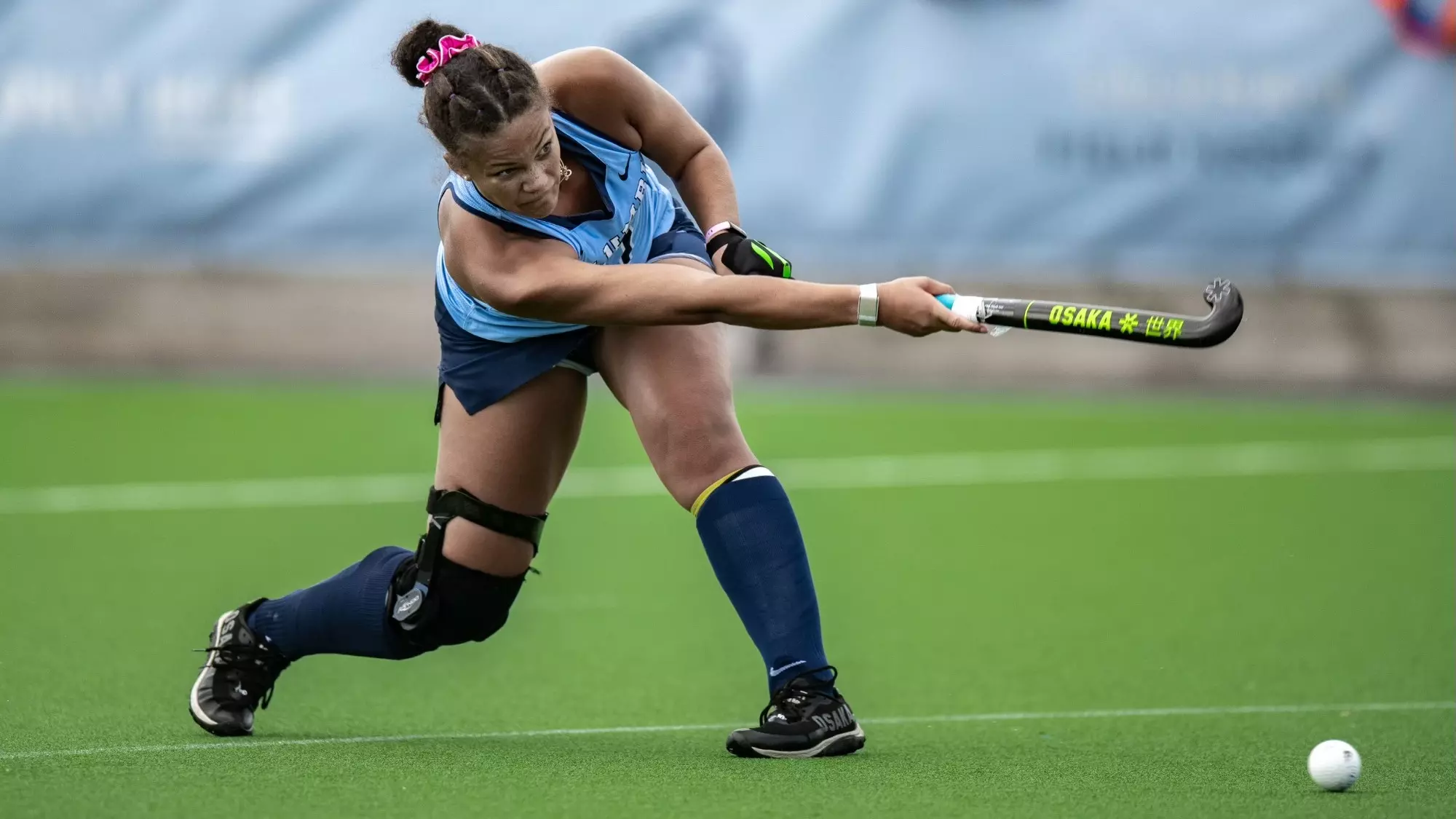
What is modified hockey?
Modified hockey is an adapted version of traditional field hockey designed to make the sport more accessible and enjoyable for school physical education. The main goal is straightforward: score as many goals as possible by getting the ball into the opposing team's goal.
This version uses simplified rules and equipment that you can easily find or substitute, making it perfect for school environments where traditional hockey equipment might not be available.
Note
The beauty of modified hockey lies in its accessibility - it removes barriers that might prevent students from participating in traditional field hockey while maintaining the core excitement and skill development of the sport.
Equipment you need
The beauty of modified hockey is that you don't need expensive, specialised equipment:
- A tennis ball (instead of a hard hockey ball)
- Long, flat sticks (proper hockey sticks if available, or suitable substitutes)
- Plastic bottles or markers placed on the ground to create goalposts
- An open, level playing space free from obstacles like broken bottles or uneven surfaces
- A whistle for the umpire to control the game
Note
Pro Tip for Teachers
You can set up multiple fields so everyone gets a chance to play at the same time! This maximises participation and keeps all students engaged throughout the lesson.
Basic rules and gameplay
Understanding these fundamental rules will help you play effectively and fairly. The simplified nature of these rules makes modified hockey faster-paced and more inclusive than traditional field hockey.
Team structure and timing
- Each team has 11 players on the field
- Games consist of two halves of 20 minutes each with a five-minute break between halves
- There is no offside rule, which makes the game faster and more accessible
- An umpire oversees the game and makes decisions about fouls and rule violations
Key playing rules
Important
Critical Rules for Fair Play
- You cannot dribble for longer than five seconds - this keeps the game moving and encourages teamwork
- You cannot pass the ball twice in a row to the same person - this prevents players from dominating possession
- Players take turns being goalkeepers and umpires - everyone gets experience in different roles
Scoring
- You score a goal when the ball goes through the goalposts (between the markers)
- If you dribble or pass the ball through the posts, it counts as a goal
- The game restarts with a throw-in after each goal
Essential skills development
Developing these core skills will significantly improve your game performance and team contribution. Each skill builds upon the others to create well-rounded players.
Dribbling skills
Dribbling is fundamental to hockey success. Here's how to practise effectively:
- Set up five markers (such as cones or plastic bottles) in a straight line, two metres apart
- Dribble the ball through the markers whilst keeping it close to your stick
- Focus on control rather than speed initially - you want the ball to stay on your stick
Example
Worked Example: Partner Dribbling Practice
Step 1: Find a teammate and position yourselves at one end of the field
Step 2: Player A dribbles for exactly 10 seconds while both players run down the field
Step 3: Player A passes to Player B, who immediately begins dribbling for 10 seconds
Step 4: Continue alternating every 10 seconds
Goal: Complete four full lengths of the field while maintaining this passing pattern
Hitting and stopping skills
These skills help you move the ball accurately and receive passes effectively:
- Stand about 10 metres apart from your partner
- Hit the ball cleanly to your partner using proper stick technique
- Your partner must position themselves behind the ball, stop it, and pass it back
- Repeat this exercise 15 times to build consistency and confidence
Note
Key Technique for Ball Control
When stopping the ball, get your body behind it rather than just using your stick. This gives you better control for your next move and prevents the ball from bouncing away unexpectedly.
Defending skills
Good defending prevents the opposing team from scoring and helps your team regain possession:
Example
Worked Example: Three-Player Defending Practice
Setup: Work in groups of three with one ball per group
Step 1: Two players form an attacking pair, running down the field while dribbling and passing to each other
Step 2: The third player acts as the defender, trying to intercept the ball or tackle cleanly
Step 3: When the defender wins the ball, roles immediately switch - they join the attacking pair
Duration: Practice this exercise for five minutes to develop both attacking and defending skills
Focus: Clean tackles and quick role transitions
Leadership and officiating roles
Leadership development is a crucial component of modified hockey, providing students with opportunities to develop communication and organisational skills.
Team captain responsibilities
Being a team captain involves more than just playing well. Your leadership duties include:
- Encouraging your team to practise and improve their skills consistently
- Praising teammates when they perform well - positive reinforcement builds confidence
- Making constructive suggestions about tactics and how the team can play better together
- Understanding game strategies and being able to explain them clearly to teammates
- Being a role model by arriving first to practice and being the last to leave
- Demonstrating good sportsmanship in both victory and defeat
Note
Leadership Development Focus
Captains should focus on building team morale and cohesion rather than just individual performance. The best captains create an environment where every team member feels valued and motivated to contribute.
Umpire duties
As an umpire, you're responsible for ensuring fair play and maintaining game flow:
- Ensure all players understand the rules before starting the match
- Keep the game moving smoothly and avoid stopping play for minor infractions
- Focus on dangerous play rather than technical fouls - player safety comes first
- Use your whistle clearly and loudly so all players can hear your decisions
- Explain rule violations briefly and simply when players break the rules
- Keep track of the score and manage game timing
- Control the overall tempo of the match
Important
Umpiring Priority: Safety First
Always prioritise player safety over technical rule enforcement. It's better to let minor technical fouls go than to stop the game constantly, but never ignore dangerous play that could result in injury.
Inclusive adaptations
Modified hockey principles can be adapted to ensure everyone can participate regardless of physical abilities. These adaptations maintain the core spirit of the game while accommodating different needs.
Wheelchair adaptations
For learners who use wheelchairs or have mobility challenges:
Important
Wheelchair Hockey Rules
- All players must sit in chairs during the game to create equality
- Players move by carrying their chairs with them when changing position
- No player may remain seated for more than 10 seconds to keep the game active
- Wheelchair users may use their wheelchairs as part of their sporting equipment
- The game starts with a throw-in from the sidelines rather than a centre pass
- Players may use feet, hands, head, and chairs to move the ball - providing multiple options for participation
- Ball possession is limited to 2 seconds maximum to maintain game pace
Visual impairment adaptations
For learners with visual challenges:
Important
Visual Impairment Hockey Rules
- Play in pairs with one sighted and one blindfolded partner
- The blindfolded partner wears a scarf, cloth, or paper blindfold
- The sighted partner guides the blindfolded player around the field
- Only the blindfolded partner may kick the ball - the sighted partner provides direction only
- After 20 minutes, partners swap roles so everyone experiences both perspectives
- Partners who are visually challenged can remain guides if they prefer, but should also get opportunities to participate actively
Exam tips
Summary
Key Points to Remember for Exams:
- Remember the key numbers: 11 players per team, 20-minute halves, 5-second dribbling limit
- Understand the difference between captain and umpire roles - captains lead and motivate, umpires enforce rules
- Be able to explain how modifications make sport more inclusive - simpler rules, adaptable equipment, role rotation
- Know the basic equipment needed and why substitutions work (tennis ball instead of hockey ball for safety)
Remember!
Summary
Key Takeaways from Modified Hockey:
- Modified hockey uses simplified rules and accessible equipment to make the sport enjoyable for everyone in physical education
- Key rules include 5-second dribbling limit, no consecutive passes to the same player, and 11 players per team
- Essential skills are dribbling, hitting/stopping, and defending - all can be developed through structured practice exercises
- Leadership roles (captain and umpire) involve specific responsibilities that help develop organisational and communication skills
- Inclusive adaptations ensure learners with different abilities can participate meaningfully in modified sport activities