Obstacle Course, Recreational Dance, and Orienteering (Grade 11 NSC Matric Life Orientation): Revision Notes
📚Revision Notes
Obstacle Course, Recreational Dance, and Orienteering
Physical Education involves developing leadership skills through active group participation in various recreational activities. This unit focuses on three key areas that combine physical fitness, creativity, and teamwork while building essential leadership capabilities.
Note
These three activities provide practical, hands-on opportunities for students to develop leadership qualities while engaging in enjoyable physical challenges that promote both individual and group development.
Understanding leadership in physical activities
Leadership in physical education means taking responsibility for organising group activities, ensuring everyone participates safely, and helping others develop their skills. These activities provide practical opportunities to develop and demonstrate leadership qualities whilst engaging in enjoyable physical challenges.
Key leadership qualities developed through these activities include organisation skills, communication abilities, and decision-making capabilities. Students learn to guide others, resolve conflicts, and create inclusive environments where everyone can participate meaningfully.
Obstacle course activities
What is an obstacle course?
An obstacle course is a series of physical challenges set up in sequence that participants must complete by moving from one station to another. These courses develop multiple fitness components including strength, balance, coordination, and agility whilst encouraging teamwork and problem-solving skills.
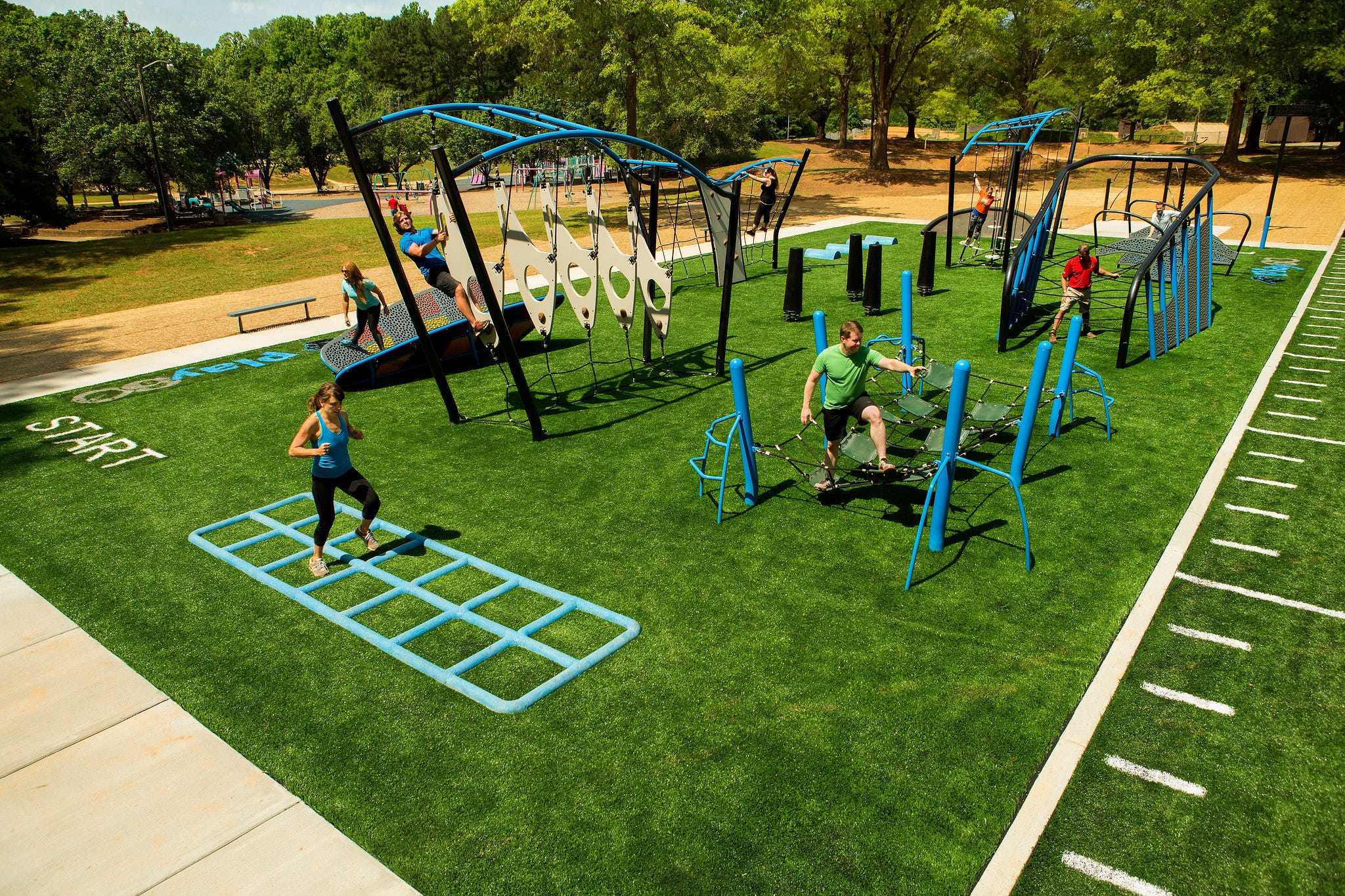
The beauty of obstacle courses lies in their versatility and accessibility. They can be created using everyday materials and adapted to suit different skill levels and group sizes, making them an ideal activity for developing both physical capabilities and leadership skills.
Designing an effective obstacle course
Creating a successful obstacle course requires careful planning and organisation. The course should feature multiple stations that challenge different physical abilities and movement patterns. Each station needs to be clearly marked and positioned far enough apart to prevent overcrowding between groups.
Example
Worked Example: Setting Up a 12-Station Course
Station setup considerations:
- Station 1-3: Balance challenges (logs, beams, stepping stones)
- Station 4-6: Strength activities (crawling under obstacles, carrying weights)
- Station 7-9: Agility tasks (weaving through cones, jumping exercises)
- Station 10-12: Coordination challenges (throwing and catching, hopping sequences)
Spacing: Minimum 100 metres or 100 paces between each station
Essential design principles:
- Use readily available equipment such as old tyres, logs, plastic containers filled with sand, furniture, and ropes
- Create at least 12 different stations to accommodate multiple groups working simultaneously
- Ensure stations are spaced at least 100 metres apart or 100 paces between each challenge
- Design each station to promote different types of movement including crawling, leaping, jumping, hopping, balancing, turning, stepping, sprinting, and running
Activity cards and instructions
Each obstacle station requires clear activity cards that explain exactly what participants must do. These instruction cards should be brief but comprehensive, including the specific actions required and the number of repetitions expected. Visual diagrams can supplement written instructions to ensure everyone understands the challenge.
Important
Safety First: Always ensure activity cards include safety guidelines and that all equipment is properly secured and regularly inspected for wear and damage.
Leadership skills development
Obstacle course activities develop crucial leadership abilities including:
- Organisation skills - planning and setting up the course effectively
- Resource management - using recycled and available materials creatively
- Democratic decision-making - reaching agreements about course content and rules
- Safety awareness - ensuring all participants can complete activities without injury
- Communication skills - giving and following clear instructions
These skills transfer directly to other areas of life, making obstacle course leadership particularly valuable for personal development.
Recreational dance with apparatus
Introduction to dance with apparatus
Recreational dance combines rhythmic movement with the use of props or apparatus to create expressive and enjoyable physical activity. This form of dance encourages creativity whilst developing coordination, rhythm, and spatial awareness.
Dance with apparatus offers students the opportunity to express themselves creatively while developing physical skills. The use of props adds an extra dimension to movement, requiring greater concentration and control.
Ribbon dance techniques
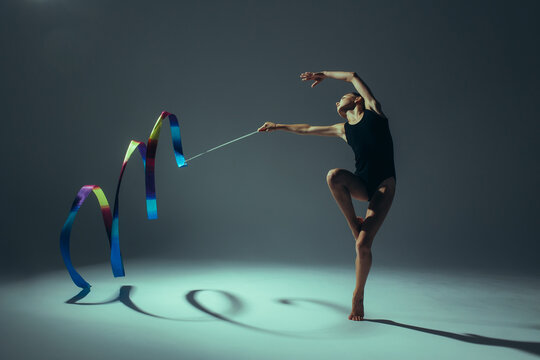
Ribbon dance involves using colourful ribbons attached to sticks, streamers, scarves, or flags to create flowing patterns through the air. Participants move their ribbons in various arm patterns whilst keeping time with musical beats, creating visually appealing performances.
Example
Worked Example: Basic Ribbon Dance Sequence
Level 1 - Low movements: Ribbons move close to the ground
Level 2 - Medium movements: Ribbons at waist and shoulder height
Level 3 - High movements: Ribbons above the head
Sequence: 8 counts low → 8 counts medium → 8 counts high → repeat
Key movement principles:
- Maintain adequate space between dancers to allow free ribbon movement
- Create patterns at different levels - low, medium, and high positions
- Incorporate diverse movements including switching hands, jumping, jogging, swirling, and throwing and catching
- Use ribbons to spell out letters or create specific shapes
- Synchronise all movements with the musical rhythm
Hoop dancing sequences
Dancing with hoops develops balance, coordination, and rhythm through structured movement patterns. Participants learn specific sequences that involve manipulating hoops around different body parts whilst maintaining steady beats and counts.
The activity includes two main sequences focusing on different movement combinations. The first sequence emphasises twirling hoops around arms and legs, whilst the second sequence involves stepping through hoops and rotating them around the body. These movements become progressively faster, challenging participants to maintain control and timing.
Note
Hoop dancing requires significant practice to master the coordination between body movement and hoop manipulation. Start slowly and gradually increase tempo as participants become more comfortable with the sequences.
Traditional shaker dance
Shaker dance incorporates traditional African musical instruments to create rhythmic group activities. Participants use traditional shakers or create their own using seeds or stones placed in sealed containers. This activity celebrates cultural heritage whilst developing musical timing and group coordination.
The dance involves circular formations where participants perform various shaking patterns coordinated with drum beats. Movements include squatting, standing, running, hopping, jogging, bending, and stretching - all performed whilst maintaining the rhythm with personal shakers.
Creating original dance routines
Developing original dance routines encourages creativity and leadership within small groups. Teams must collaborate to create exciting, active dance sequences that incorporate multiple elements and challenge different physical abilities.
Important
Group Collaboration Guidelines: Ensure all team members contribute ideas and that final routines incorporate suggestions from everyone. This develops both leadership and followership skills essential for effective teamwork.
Essential routine components:
- One hand-held item for manipulation during performance
- Eight-count movement patterns for structure and timing
- Locomotor movements including jumps, gallops, hops, leaps, and slides
- Balance challenges such as bends, curls, turns, twists, swings, and stretches
- Three distinct body levels incorporating high, middle, and low positions
- Directional changes moving forwards, backwards, and sideways (left and right)
- Three different pathways including diagonal, zigzag, and circular movements
Orienteering activities
Understanding orienteering
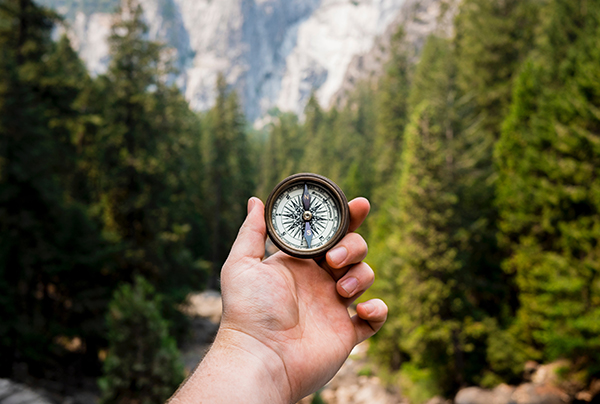
Orienteering combines navigation skills with physical activity through treasure hunt-style games. These activities develop map-reading abilities, teamwork, problem-solving skills, and leadership qualities whilst encouraging exploration of familiar environments.
This activity transforms ordinary school grounds into an exciting adventure environment, helping students see familiar spaces from a completely new perspective while developing practical navigation skills.
Treasure hunt organisation
The treasure hunt activity involves groups searching for hidden clues using maps and navigational skills. Teams must work together to locate successive clues that eventually lead to a final treasure. This activity transforms school grounds into an exciting adventure environment.
Example
Worked Example: Planning a Treasure Hunt
Step 1: Create base map of school grounds showing key landmarks
Step 2: Design 5-7 clue locations with clear pathways between them
Step 3: Write clues as rhymes or directional instructions
Step 4: Use colour coding (e.g., Team Red follows red markers)
Step 5: Hide final treasure in accessible but challenging location
Planning considerations:
- Work in groups of six to eight learners to ensure manageable team sizes
- Create detailed maps of the school grounds showing all relevant landmarks
- Design clues that can be rhymes, instructions, or directional indicators
- Use consistent colour coding for safety and organisation
- Hide treasures in secure containers such as plastic bottles or recycled holders
- Ensure adequate spacing between groups to prevent overcrowding in specific areas
Team roles and responsibilities
Successful orienteering requires clear role definition and collaborative teamwork. Each team member takes on specific responsibilities that contribute to group success whilst developing individual leadership capabilities.
Note
Rotating roles throughout the activity ensures all participants experience different aspects of leadership and develop a comprehensive understanding of effective teamwork.
Key team positions:
- Team leader - provides instructions, motivates team members, and makes final decisions
- Navigator - draws maps, plans routes, and guides the team's movement
- Mediator - resolves conflicts, maintains team harmony, and facilitates communication
- Scout - explores ahead, searches for clues, and reports findings
- Timekeeper - monitors progress, manages time limits, and keeps team on schedule
Leadership assessment and development
Orienteering activities provide excellent opportunities for leadership assessment through practical application. Team leaders must demonstrate their ability to split groups effectively, identify individual strengths and weaknesses, and facilitate meaningful discussions about performance and improvement.
The self-assessment process encourages reflexion on teamwork skills, instruction-following abilities, respect for others, and overall enjoyment of the activity. This evaluation helps participants identify areas for personal development whilst celebrating successful leadership behaviours.
Safety and inclusive participation
All three activity areas emphasise the importance of safety awareness and inclusive participation. Leaders must ensure that equipment is properly maintained, spaces are adequately organised, and all participants can engage meaningfully regardless of their individual ability levels. Clear instruction-giving and attentive supervision help create positive learning environments for everyone involved.
Important
Critical Safety Reminders:
- Always conduct equipment checks before activities begin
- Ensure adequate supervision ratios for all activities
- Have first aid supplies readily available
- Modify activities to accommodate different ability levels
- Establish clear emergency procedures for all participants
Summary
Key Points to Remember:
- Obstacle courses develop fitness and leadership through creative use of available resources and careful activity planning
- Recreational dance combines physical movement with apparatus to encourage creativity, rhythm, and cultural appreciation
- Orienteering activities build navigation skills and teamwork through treasure hunt-style adventures using familiar environments
- Leadership development occurs through practical application of organisational, communication, and decision-making skills
- Safety and inclusion must always be prioritised to ensure positive experiences for all participants