Safety in Physical Fitness Activities (Grade 11 NSC Matric Life Orientation): Revision Notes
📚Revision Notes
Safety in Physical Fitness Activities
Physical fitness activities are essential for maintaining good health, but safety must always come first. The most important principle in exercise safety is prevention - by knowing how to protect your body, when to rest, and how to exercise properly, you can avoid accidents, injuries, and illness.
Important
The Prevention Principle
Prevention is always better than treatment. By following proper safety guidelines, you can enjoy the benefits of physical fitness while minimising your risk of injury or illness.
Warm up and cool down
Always warm up before physical exercise. Starting exercise with cold muscles is one of the quickest ways to injure yourself. Your muscles need time to prepare for more intense activity.
Begin your workout with light cardiovascular activities that gradually increase your heart rate and warm your muscles:
- Slow jogging around the exercise area
- Fast walking or marching on the spot
- Jumping jacks or star jumps
Important
Never Stretch Cold Muscles
Only stretch when your body is already warmed up. Stretching cold muscles can cause injury, so save your stretching routine until after your warm-up activities.
Always cool down after exercise. Cooling down helps your body transition safely back to rest. You can cool down by gradually slowing your movements - try walking around the exercise area or doing gentle stretches for all the muscles you used during your workout.
Maintaining proper spacing during activities
Personal space is crucial for safe exercise. Leave enough space between yourself and other participants so you can swing your arms freely without touching anyone. A good rule of thumb is to stand about two arm-lengths away from the next person. This prevents accidental collisions and gives everyone room to move safely.
Note
The Two Arm-Length Rule
Extend both arms out to your sides. The distance from fingertip to fingertip is the minimum safe distance you should maintain from other participants during group activities.
Choosing appropriate clothing
Your clothing choice can significantly impact your safety and comfort during exercise. Wear cool, loose clothing that fits comfortably. Your clothes must not be tight around your body, and remember to loosen your belt so nothing restricts your movement.
Important
Avoid Plastic Materials
Never wear plastic materials during exercise. Plastic prevents your skin from breathing properly and stops sweat from evaporating naturally. This can make you extremely thirsty and cause dangerous overheating.
Selecting proper footwear
Good footwear is essential for preventing injuries:
- Avoid sandals, slip-slops, and high-heeled shoes - these provide no support and increase your risk of falling
- Always tie your laces firmly to prevent tripping
- Wear comfortable takkies or trainers that give you good grip on the ground and allow free movement
- Always wear socks to help prevent blisters
- You may exercise barefoot only if you're indoors or on grass where there are no sharp stones or broken glass
Note
Proper Footwear Checklist
Good exercise shoes should provide: adequate support for your feet and ankles, firm grip on the exercise surface, comfortable fit that allows natural foot movement, and protection from potential hazards on the ground.
Staying properly hydrated
Drinking water while exercising is crucial for maintaining your body temperature and preventing dehydration. Follow these hydration guidelines:
- Drink enough water before, during, and after your physical exercise
- Drink about one cup of water for every 10 to 15 minutes of exercise
- Don't wait until you feel thirsty - by then you're already becoming dehydrated
Important
Don't Wait for Thirst
Thirst is actually a late indicator of dehydration. By the time you feel thirsty, your body is already experiencing fluid loss that can affect your performance and safety.
Protecting yourself from sun exposure
When exercising outdoors, sun protection is vital:
- Wear a hat or cap if you'll be outside in the sun for an extended period
- Use sunblock if you have sensitive skin
- Avoid direct sun exposure between 11:00 a.m. and 15:00 p.m. when the sun's rays are strongest
- Protect your eyes with sunglasses or the brim of a cap
Starting slowly and building intensity gradually
A fundamental rule of exercise safety is to start slowly. Always build up the intensity (how hard you exercise) and duration (how long you exercise) gradually.
If you're unfit and suddenly attempt very strenuous or lengthy exercises, you risk injuring yourself. Your body needs time to adapt and strengthen, so be patient with your progress.
Important
Gradual Progression Prevents Injury
Your muscles, joints, and cardiovascular system need time to adapt to increased demands. Sudden increases in exercise intensity or duration are one of the leading causes of exercise-related injuries.
Recognising when to stop exercising
Understanding the difference between normal exercise discomfort and warning signs is crucial for your safety.
Normal exercise discomfort includes feeling slightly out of breath and experiencing some muscle fatigue. This type of discomfort, often called "good pain", occurs because you're challenging your body to become fitter. Having sore muscles after a vigorous exercise session is normal and not serious - this "burning" feeling is caused by lactic acid build-up in your muscles.
Important
Stop Exercising Immediately If You Experience:
- Feeling dizzy, faint, or light-headed
- Wanting to vomit
- Sharp, severe pain in your feet, ankles, bones, or joints
- Significant pain in your chest, neck, left shoulder, or left arm
- Numbness in any part of your body
- Irregular or very rapid heartbeat
These are warning signs that require immediate attention.
If you experience pain and dizziness during high-intensity exercise, slow down gradually before stopping completely. Never stop suddenly, as this can cause problems with blood circulation and may lead to fainting.
Managing muscle cramps
Muscle cramps are sudden, unwanted tightening of your muscles. They often occur during long periods of exercise, especially in hot weather, and commonly affect the calf muscles in your legs.
Note
Understanding Muscle Cramps
Although muscle cramps are not serious and muscles recover quickly, they can be very painful and temporarily prevent you from using the affected muscles. Cramps are often caused by dehydration, electrolyte imbalances, or muscle fatigue.
If your muscles start to cramp:
- Stop exercising immediately
- Wait until the cramp completely goes away before starting to exercise again
- Never force yourself to continue exercising through a cramp, as this can cause injury
Understanding the importance of rest
Listen to your body and rest when you feel tired. However, don't confuse genuine tiredness with simply feeling lazy about exercising. Learning to distinguish between the two is important for maintaining a healthy, active lifestyle.
Note
Rest vs. Laziness
Genuine tiredness includes physical fatigue, muscle soreness, decreased performance, or feeling mentally drained. This is different from simply not feeling motivated to exercise, which is normal but shouldn't prevent you from being active.
Preventing repetitive stress injury
Repetitive Stress Injury (RSI) occurs when too much stress is repeatedly placed on one part of your body. This can lead to muscle strain, pain, swelling, and tissue damage. Your shoulders, elbows, knees, and heels are most at risk of exercise-related RSIs.
To prevent RSIs:
- Exercise regularly and stay active - good flexibility and strength help prevent RSIs
- Avoid overusing muscles and joints in exactly the same way repeatedly
- Be aware of how much time you spend doing repeated movements
- Take short breaks during repetitive activities
- Change to different activities every 10 minutes or so
Important
Variety Prevents RSIs
The key to preventing repetitive stress injuries is variation. Mix up your activities, change your movements, and give different muscle groups a chance to work while others rest.
Using weights safely
Weight training can be beneficial, but improper use can seriously injure your back and shoulders.
Important
Weight Training Safety for Students
As a Grade 11 student, your body is still developing. Avoid bodybuilding, powerlifting, and weightlifting competitions - you may permanently harm your growing muscles, joints, and bones.
Safe weight training guidelines:
- Start with bodyweight exercises like sit-ups, push-ups, and partner exercises before progressing to actual weights
- Never use heavy weights - the best weights are those you make yourself, such as a 2.5 kg soap box filled with sand or a 1.5 litre plastic bottle filled with sand
- Don't work with weights on consecutive days
- Limit weight training sessions to about 10 minutes
- Avoid bodybuilding, powerlifting, and weightlifting competitions
Managing exercise-induced asthma
Some people develop asthma symptoms during exercise, including shortness of breath, wheezing, and coughing. If this happens to you, visit a clinic for a check-up. With proper treatment, you can safely participate in physical exercise even if you have exercise-induced asthma.
Note
Exercise-Induced Asthma is Manageable
Don't let exercise-induced asthma stop you from being active. With proper medical guidance and treatment, most people with this condition can participate safely in physical activities.
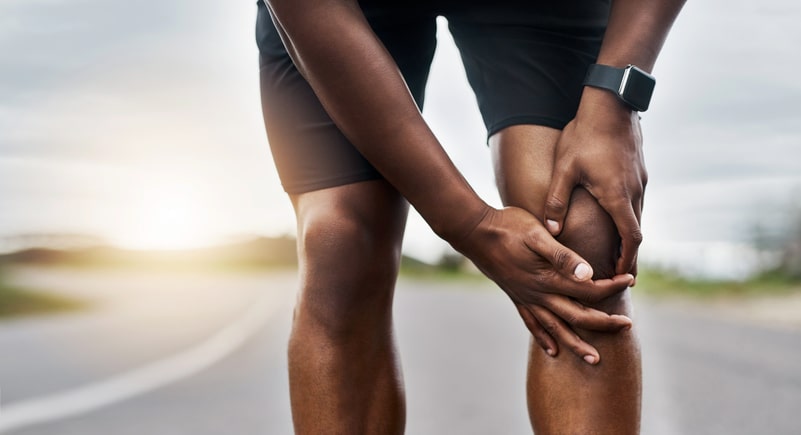
Protecting your knees
Your knee is the largest joint in your body and provides the flexibility and stability your legs need for movement. Knees are particularly vulnerable during physical fitness exercises.
To protect your knees:
- Do low-impact aerobic exercises to prevent jarring your knee joints
- Avoid excessive repetitive movements that may strain your knees
- Avoid sudden stopping, turning, or twisting movements that can hurt your knees
- Don't stand too close to other participants to avoid getting kicked
Example
RICE Treatment for Knee Injuries
If your knee gets injured, try the RICE treatment:
R - Rest - Don't exercise the injured knee
I - Ice - Apply ice in a plastic bag for no longer than five minutes at a time
C - Compression - Bandage your knee for support
E - Elevation - Lift your leg up to rest on a cushion or blanket
If RICE treatment doesn't help after a day or two, visit a clinic for professional medical advice.
Avoiding performance-enhancing drugs
Important
Never Use Performance-Enhancing Drugs
Never use anabolic steroids or other performance drugs. While advertisements may claim these substances help build muscle, this information is misleading. These drugs have many serious side effects, including heart attacks, sterility, and cancer.
The best and safest way to develop your muscles is through regular physical exercise. Natural fitness development may take longer, but it's much safer and provides lasting health benefits.
Summary
Key Safety Principles to Remember:
- Prevention is the key to exercise safety - warm up properly, wear appropriate clothing and footwear, and stay hydrated
- Know the difference between normal exercise discomfort and warning signs - stop immediately if you feel dizzy, nauseous, or experience sharp pains
- Start slowly and build intensity gradually to avoid injury and allow your body to adapt safely
- Use the RICE treatment for minor knee injuries but seek medical help if symptoms persist
- Avoid performance-enhancing drugs - regular exercise is the safest way to build fitness and strength