Umpiring, Administrative, Organisational, and Leadership Skills (Grade 11 NSC Matric Life Orientation): Revision Notes
📚Revision Notes
Umpiring, Administrative, Organisational, and Leadership Skills
Physical education involves much more than just playing games and sports. To create successful, enjoyable, and safe sporting experiences, you need to develop four essential skill sets that work together. These skills help you take on various roles within sports and physical activities, whether you're organising a school tournament, leading a team, or ensuring fair play as an official.
Note
These four skill areas are interconnected and complement each other. Developing competence in all areas makes you a more effective contributor to any sporting environment, whether as a participant, organiser, or leader.
Umpire and referee skills
When you take on the role of an umpire, judge, or referee, you become the guardian of fair play and safety. This role requires you to master the rules of the game and apply them consistently while maintaining respect from players and spectators.
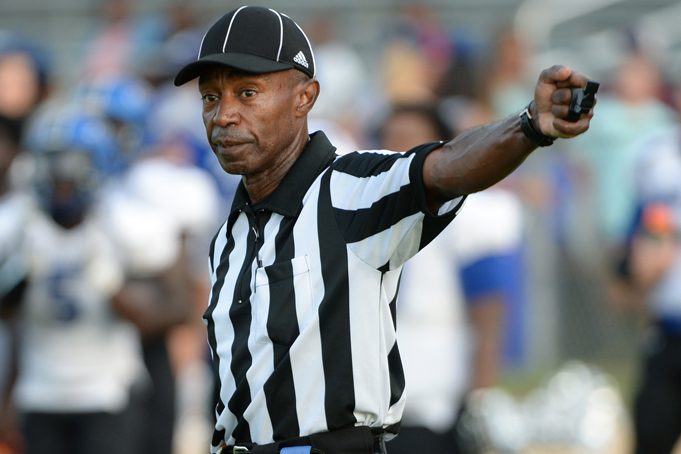
Essential umpiring competencies include:
Your primary responsibility is knowing and respecting the game rules completely. This means understanding not just what the rules say, but why they exist and how to apply them fairly in different situations. You must learn to use the correct hand signals and communicate decisions clearly to both players and spectators.
Game management and player safety are crucial aspects of officiating. You need to stay physically fit to keep up with the action and position yourself where you can see what's happening. Fair judgement means treating all players equally without favouring any team or individual player. When making decisions about penalties, cards, or other punishments, you must explain your reasoning clearly.
Important
Critical Safety Responsibility: You must know when to stop play for injuries and ensure injured players receive proper care before continuing. Never compromise on safety for the sake of keeping the game moving.
Handling pressure and maintaining control are vital skills for any official. Spectators may try to influence your decisions in favour of their team, but you must remain neutral and stick to your judgements. You need to know when to stop play for injuries and ensure injured players receive proper care before continuing.
Safety considerations extend beyond injuries. You must assess weather conditions and playing surfaces to determine if it's safe to continue play. This includes making difficult decisions about postponing or cancelling games when conditions become dangerous.
Administrative skills
Every successful sporting event requires strong administrative support behind the scenes. These skills ensure games run smoothly and that all necessary preparations are completed properly.
Note
Administrative work is often invisible to players and spectators, but it forms the foundation that makes all sporting events possible. Without proper administration, even the most talented teams cannot compete effectively.
Promotional and scheduling responsibilities form the foundation of sports administration. You'll need to promote games within your school community and encourage public attendance. This involves creating schedules that work for all teams and booking appropriate playing areas well in advance.
Financial and logistical planning includes organising fund-raising activities for equipment, transport, accommodation, and tournament expenses. You'll also need to invite other schools or community teams to participate in events and coordinate with various stakeholders.
Record-keeping and player management involve maintaining accurate lists of regular and reserve players, assigning player numbers, and ensuring proper identification systems are in place. You'll also need to write detailed match reports in cooperation with umpires or referees, documenting key events and outcomes.
Organisational skills
Good organisation ensures that sporting events are not only successful but also enjoyable for everyone involved. These skills focus on the practical arrangements that make competitions possible.
Equipment and safety preparation requires you to organise and check all necessary equipment before events begin. You must ensure first-aid kits and qualified personnel are available, and that all equipment is properly cleaned and stored after use.
Note
Equipment Management Tip: Create checklists for equipment needs and safety requirements. This prevents last-minute rushes and ensures nothing important is forgotten on match day.
Venue and transport coordination involves planning how teams will travel to match venues when required, and ensuring playing areas are properly prepared and marked. You'll need to plan effective practice sessions that help teams prepare for competitions.
Event enhancement activities include organising entertainment for supporters and creating systems to help spectators identify opposing teams, such as colour-coded bands or distinctive uniforms. Planning tournaments and matches requires attention to detail and consideration of all participants' needs.
Leadership skills and styles
Effective leadership in sports requires understanding different approaches and knowing when to use them. The most important leadership positions in games include team leaders, captains, and coaches, each with distinct responsibilities.

Core leadership qualities that all effective sports leaders share include the ability to lead by example and remain calm under pressure. Good leaders take responsibility for their decisions and communicate clearly with their teams. They show respect for all participants and treat everyone fairly without showing favouritism.
Important
Essential Leadership Foundation: Regardless of which leadership style you use, you must always demonstrate integrity, fairness, and genuine care for your team members' wellbeing and development.
Understanding different leadership styles helps you adapt your approach to different situations:
Democratic and participative leadership involves including your group in decision-making processes and asking for their ideas and input. You make decisions together as a group, sharing power between the leader and team members. This style works well when you want to build team ownership of decisions.
Humanistic leadership places greater emphasis on team members' feelings, needs, and personal concerns rather than simply giving orders or controlling behaviour. This approach focuses on supporting individuals and understanding their motivations.
Laissez-faire or free-rein leadership comes from French meaning "let them do it". This style allows group members to make their own decisions and choose their actions while you step back and provide minimal direct guidance.
Authoritarian leadership involves giving clear instructions and directions without seeking group input or feedback. You make decisions independently and expect others to follow your orders. This style can be effective in emergency situations or when quick decisions are needed.
Example
Practical Leadership Example: Choosing Your Style
Situation: Your team is losing at half-time and players are arguing about tactics.
Democratic approach: "What do you think went wrong? Let's discuss our options together."
Humanistic approach: "I can see you're all frustrated. Let's take a breath and focus on supporting each other."
Laissez-faire approach: "You know what needs to be done. Make the adjustments you think are best."
Authoritarian approach: "Here's exactly what we're going to change. No discussion - just execute the plan."
Each approach can be effective depending on your team's needs and the time available.
Specific leadership roles
Team leader responsibilities
As a team leader, you work closely with teachers or coaches while taking responsibility for specific aspects of team management. Your role focuses on ensuring team safety and creating positive learning experiences for all participants.
Safety and communication duties include ensuring all team members understand safety procedures and follow teacher instructions carefully. You demonstrate proper techniques and behaviours to your teammates, helping them learn through positive examples.
Practical responsibilities involve helping your team perform to their best ability and ensuring all equipment is distributed before games and properly collected and cleaned afterwards. You serve as a bridge between the coach and players, helping maintain team organisation and focus.
Captain leadership
The captain role carries significant leadership responsibilities that extend beyond just wearing an armband. As captain, you become the on-field representative of your team's values and sportsmanship.
Leading by example and conflict resolution means you must demonstrate positive behaviours that others will follow. You're responsible for resolving conflicts between team members and protecting players from unsafe situations or unfair treatment.
Note
Captain's Communication: As captain, your words carry extra weight with both teammates and opponents. Always speak respectfully, especially when discussing decisions with officials or addressing conflicts.
Game-time responsibilities include discussing refereeing decisions respectfully when you're unsure about calls, and motivating your team throughout the match. You give team talks before games and during half-time breaks, provide instructions during play, and help calm players when tensions rise. You also represent your team by greeting opponents respectfully before and after matches.
Coach: Leading through teaching
As a coach, you take on the most comprehensive leadership role, combining teaching, management, and motivational responsibilities. Your primary goal is helping learners participate in sports for enjoyment, fitness, skill development, social connection, and competitive success.
Teaching and development responsibilities include explaining and demonstrating how to play games effectively, teaching specific skills, tactics, and strategies. You make important decisions about team selection, game plans, and training approaches while handling various administrative tasks.
Training and safety duties involve choosing team members and substitute players, planning and conducting engaging training sessions, and preventing injuries through proper preparation and care for injured players. You must provide opportunities for all players to develop their game skills regardless of their current ability levels.
Important
Inclusive Coaching Principle: Every player deserves quality instruction and meaningful participation time. Avoid systems where weaker players consistently feel excluded or undervalued.
Creating positive experiences means making training sessions interesting and highly active. Players should never spend long periods sitting inactive or waiting for instructions. Your approach should help learners feel included and motivated to improve their skills and enjoy participation.
Effective coaching strategies include:
- Setting realistic goals for both individual training sessions and competitions
- Making optimal use of practice time while keeping learners physically active
- Using skill development drills that promote improvement over time
- Avoiding systems where weaker players are consistently chosen last for teams
- Correcting mistakes constructively without insulting or discouraging learners
- Sharing leadership responsibilities to help other learners develop their own leadership capabilities
Example
Practical Coaching Example: Running an Effective Training Session
Structure for a 60-minute basketball training session:
Step 1: Warm-up (10 minutes) - Dynamic movements with basketballs
Step 2: Skill development (20 minutes) - Rotating stations for different skills
Step 3: Small-sided games (20 minutes) - 3v3 games to practice skills in context
Step 4: Team tactics (8 minutes) - Brief explanation of game strategy
Step 5: Cool-down (2 minutes) - Light stretching and session review
Key principle: Maximum activity time with minimal standing around listening to instructions.
Self-assessment and skill development
Regular self-evaluation helps you identify areas for improvement in all four skill areas. Consider whether you demonstrate fairness and neutrality in umpiring, maintain accurate records in administrative tasks, effectively organise equipment and logistics, and provide clear leadership that motivates others.
Continuous improvement involves honestly assessing your current abilities and creating specific plans for developing weaker areas. Ask for feedback from teachers, coaches, and peers to gain different perspectives on your performance. Practice these skills regularly in different contexts to build confidence and competence.
Note
Self-Assessment Questions:
- Do I treat all participants fairly regardless of their skill level?
- Am I reliable in completing administrative tasks on time?
- Do I stay calm under pressure and make good decisions?
- Are my organisational efforts making events more enjoyable for everyone?
Summary
Key Points to Remember:
- Master the fundamentals: Strong umpiring, administrative, organisational, and leadership skills are interconnected and essential for successful sporting experiences
- Adapt your leadership style: Different situations require different approaches - learn when to be democratic, humanistic, laissez-faire, or authoritarian
- Safety first: Whether you're officiating, organising, or leading, player safety and wellbeing must always be your top priority
- Lead by example: Your actions and attitude influence others more than your words - demonstrate the behaviours you want to see
- Keep learning: Regularly assess your skills and seek opportunities to improve through practice, feedback, and observation of experienced leaders