Volleyball (Grade 11 NSC Matric Life Orientation): Revision Notes
📚Revision Notes
Volleyball
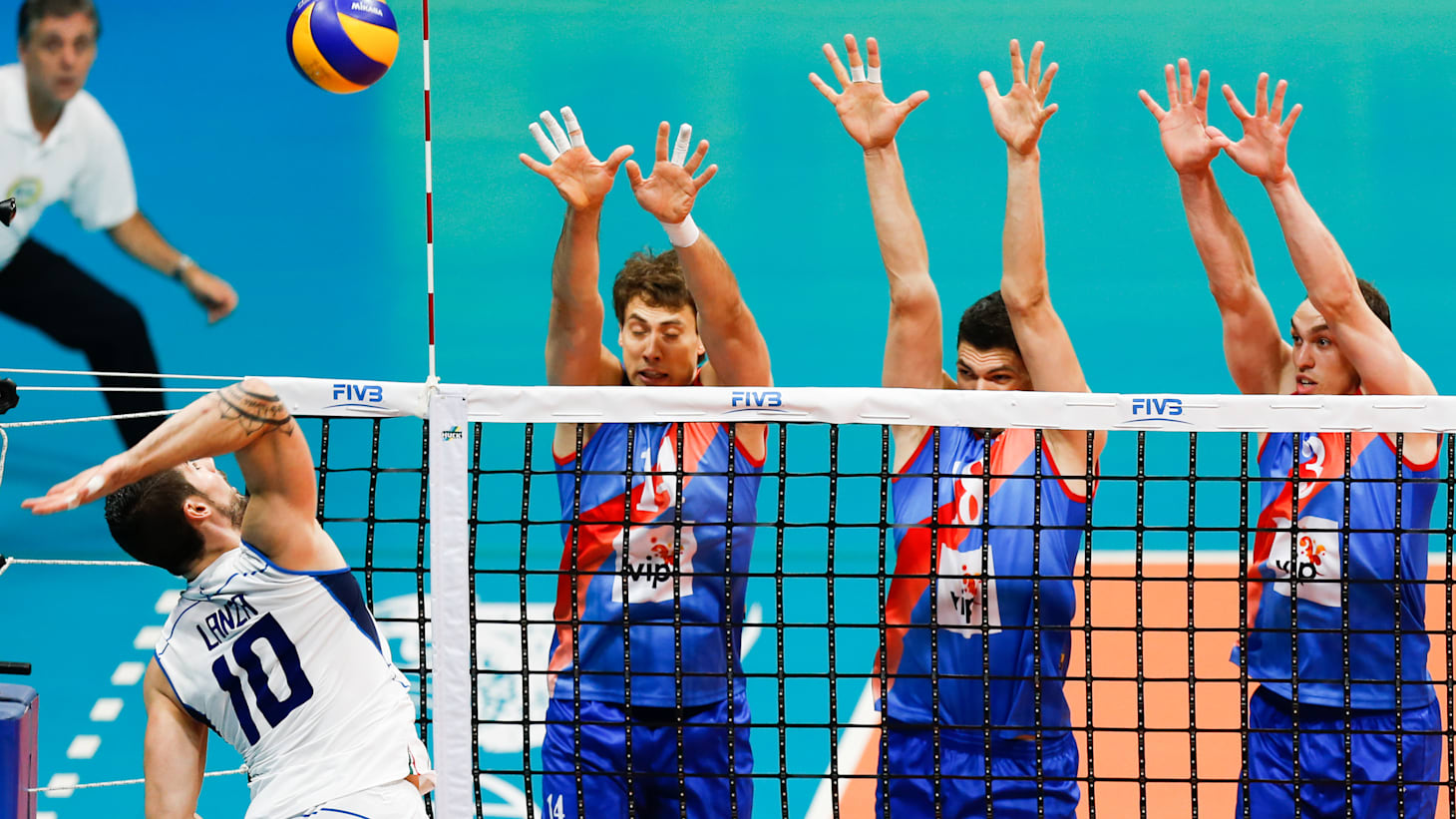
Volleyball is an exciting team sport that develops both physical skills and leadership abilities. This modified version helps you learn essential gameplay whilst practising important organisational and administrative skills that are valuable in many life situations.
Note
Modified volleyball is specifically designed to make the sport more accessible while developing crucial life skills like leadership, teamwork, and administrative abilities alongside physical fitness.
Warm up and cool down
Important
Before playing volleyball, always prepare your body properly. Focus on warming up the specific muscles you'll use during the game. Since volleyball involves hitting, jumping, and quick movements, concentrate on preparing your arms, shoulders, and leg muscles through dynamic stretching and light movements.
Cooling down after playing is equally important to help your heart rate and breathing return to normal levels. This prevents muscle stiffness and reduces the risk of injury.
Take time to stretch gently and walk around slowly until you feel your body has returned to its resting state.
Basic volleyball skills and gameplay
Aim of the game
The main objective in volleyball is to successfully hit the ball over to your opponents' side of the court whilst preventing them from returning it to your side. This creates an exciting back-and-forth game that requires teamwork, strategy, and quick reflexes.
Equipment needed
Setting up a volleyball game is quite simple and flexible. You need:
- Court boundaries: Two poles or trees positioned at least 10 metres apart to mark the playing area
- Net substitute: Rope, elastic cord, long cloth, or string tied between the poles at approximately 2.1 metres high. In indoor spaces, you can tie the rope from one wall to another
- Ball: A proper volleyball is ideal, but you can create alternatives using recycled plastic bags or stockings for practice
- Whistle: Essential for the umpire to control the game effectively
- Multiple courts: Consider setting up several courts so everyone can participate simultaneously
How to play modified volleyball
Modified volleyball follows specific rules that make the game more accessible and educational:
Team composition: Each side has exactly four players, creating a more manageable game size. Two referees oversee the match, with players taking turns in these official roles.
Important
Critical Game Rules:
- Players cannot hit the ball twice consecutively
- There are no "out of bounds" calls to simplify gameplay
- You must hit the ball with open hands rather than catching, holding, or throwing it
- If the ball touches the floor on your opponent's side, your team scores a point
Serving system: Each player gets an opportunity to serve, promoting fairness and skill development. The server must use a two-handed underhand throw instead of the traditional overhand serve, making the game more inclusive for beginners.
Scoring system: Teams change sides after one side reaches 10 points, ensuring fair playing conditions. The first team to score 20 points wins the match, creating clear objectives and manageable game lengths.
Skill development practices
Spiking skills
Spiking involves powerful downward hits that are difficult for opponents to return.
Example
Worked Example: Practising Spiking Technique
Step 1: Work with a partner who throws the ball high towards you
Step 2: Position yourself with feet together
Step 3: Jump as high as possible to meet the ball at its peak height
Step 4: Strike the ball firmly back down to your partner
Step 5: Complete 10 repetitions before switching roles with your partner
Blocking skills
Blocking is a defensive technique used to stop opponent attacks.
Example
Worked Example: Developing Blocking Skills
Step 1: Stand in a circle formation with teammates
Step 2: Crouch down low together
Step 3: Jump as high as possible simultaneously
Step 4: Focus on timing and explosive power
Step 5: Practise this jumping motion 10 times to develop muscle memory
Serving skills
Serving initiates each point and requires accuracy and consistency.
Example
Worked Example: Mastering the Underhand Serve
Step 1: Use the two-handed underhand throwing technique
Step 2: Deliver the ball to your partner across the playing area
Step 3: Partner catches the ball and throws it back to you
Step 4: Complete five successful serves before switching roles
Step 5: Focus on accuracy and appropriate power throughout
Overhead pass skills
The overhead pass allows for strategic ball placement and team coordination.
Example
Worked Example: Progressive Overhead Pass Practice
Step 1: Start standing 3 metres apart from your partner in ready position
Step 2: Hit the ball upward - when it reaches head height, strike it down firmly towards your partner
Step 3: Partner must jump to receive the ball and pass it back
Step 4: Move to 6 metres apart and repeat 4 times
Step 5: Extend to 9 metres for additional repetitions
Step 6: Keep track of successful passes to monitor improvement
Leadership and administrative roles
Developing leadership and administrative skills through sport creates valuable life experiences that transfer to many situations.
Referee responsibilities
Volleyball referees have distinct roles that develop organisational skills:
First referee duties:
- Toss a coin to determine which team serves first
- Start play by blowing the whistle and signalling the server
- Blow the whistle whenever players break the established rules
- Make final decisions on disputed calls
Second referee duties:
- Keep accurate time records throughout the match
- Assist the first referee in making difficult calls
- Manage player substitutions, ensuring everyone gets opportunities to play
- Replace injured players when necessary to maintain game flow
Captain duties
Team captains develop crucial leadership skills through specific responsibilities:
Before the game: Make the heads or tails decision when the referee tosses the coin, demonstrating decision-making under pressure.
During the game: Inspire teammates by offering encouragement and strategic advice. Ensure all team members understand and follow the rules correctly.
Strategic leadership: Observe the opposing team's playing patterns and communicate defensive strategies to your teammates.
Leadership and inclusivity
Note
Effective leadership in physical education means ensuring every student can participate meaningfully. Leaders must consider classmates who face physical challenges and cannot move as easily as others.
Seated volleyball adaptation
This inclusive version maintains the sport's excitement whilst accommodating different physical abilities:
- All players remain seated throughout the entire game
- Teams can have up to eight ball contacts per side, allowing for more strategic plays
- Players can serve from any position rather than designated serving areas
- Softer balls, such as beach balls, can be used to reduce impact and make the game more comfortable
This adaptation demonstrates how sports can be modified to include everyone whilst maintaining competitive elements and skill development opportunities.
Practical application
Put these skills into practice through structured activities:
- Team gameplay: Form teams and play complete matches using modified volleyball rules
- Skill rotation: Work in pairs to practise spiking, blocking, serving, and overhead passing techniques
- Leadership rotation: Take turns serving as first referee, second referee, and team captain to develop different organisational skills
These experiences help you understand both the physical and administrative aspects of sport, preparing you for leadership roles in various life situations.
Summary
Key Points to Remember:
- Modified volleyball uses 4 players per side with 2 referees, making it more manageable for learning
- Serving requires a two-handed underhand throw, making the game accessible for all skill levels
- Teams change sides at 10 points and play to 20, creating clear game structure and objectives
- Leadership roles include specific responsibilities that develop organisational and administrative skills
- Inclusive adaptations like seated volleyball ensure everyone can participate and enjoy the sport regardless of physical ability