Acids and alkalis (Edexcel GCSE Chemistry): Revision Notes
📚Revision Notes
Acids and alkalis
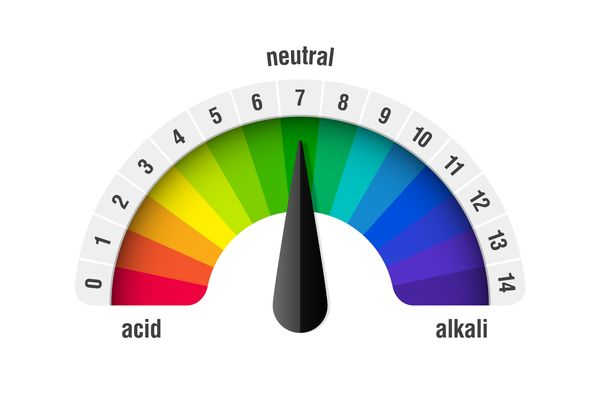
Acids
-
Acids have a pH less than 7.
-
In water, acids form H⁺ ions (hydrogen ions).
-
The higher the concentration of hydrogen ions, the more acidic the solution, and the lower the pH. Examples of acids:
- Hydrochloric acid ()
- Sulfuric acid ()
- Nitric acid ()
Alkalis
-
An alkali is a base that is soluble in water.
-
Alkalis have a pH greater than 7.
-
In water, alkalis form OH⁻ ions (hydroxide ions).
-
The higher the concentration of hydroxide ions, the more alkaline the solution, and the higher the pH. Examples of alkalis:
- Sodium hydroxide ()
- Potassium hydroxide ()
- Ammonia solution ( in water)
Bases
Indicators
A base is a substance that reacts with an acid to produce salt and water. Bases can be solids or dissolved in water. When a base dissolves in water, it becomes an alkali.
Indicators are substances used to test whether a solution is acidic, neutral, or alkaline. The table below shows how common indicators change colour depending on the pH of the solution:
Neutralisation Reactions
A neutralisation reaction occurs when an acid reacts with a base. The products of this reaction are a salt and water, and the resulting solution is neutral (pH 7). In a neutral solution, the concentration of hydrogen ions (H⁺) is equal to the concentration of hydroxide ions ().
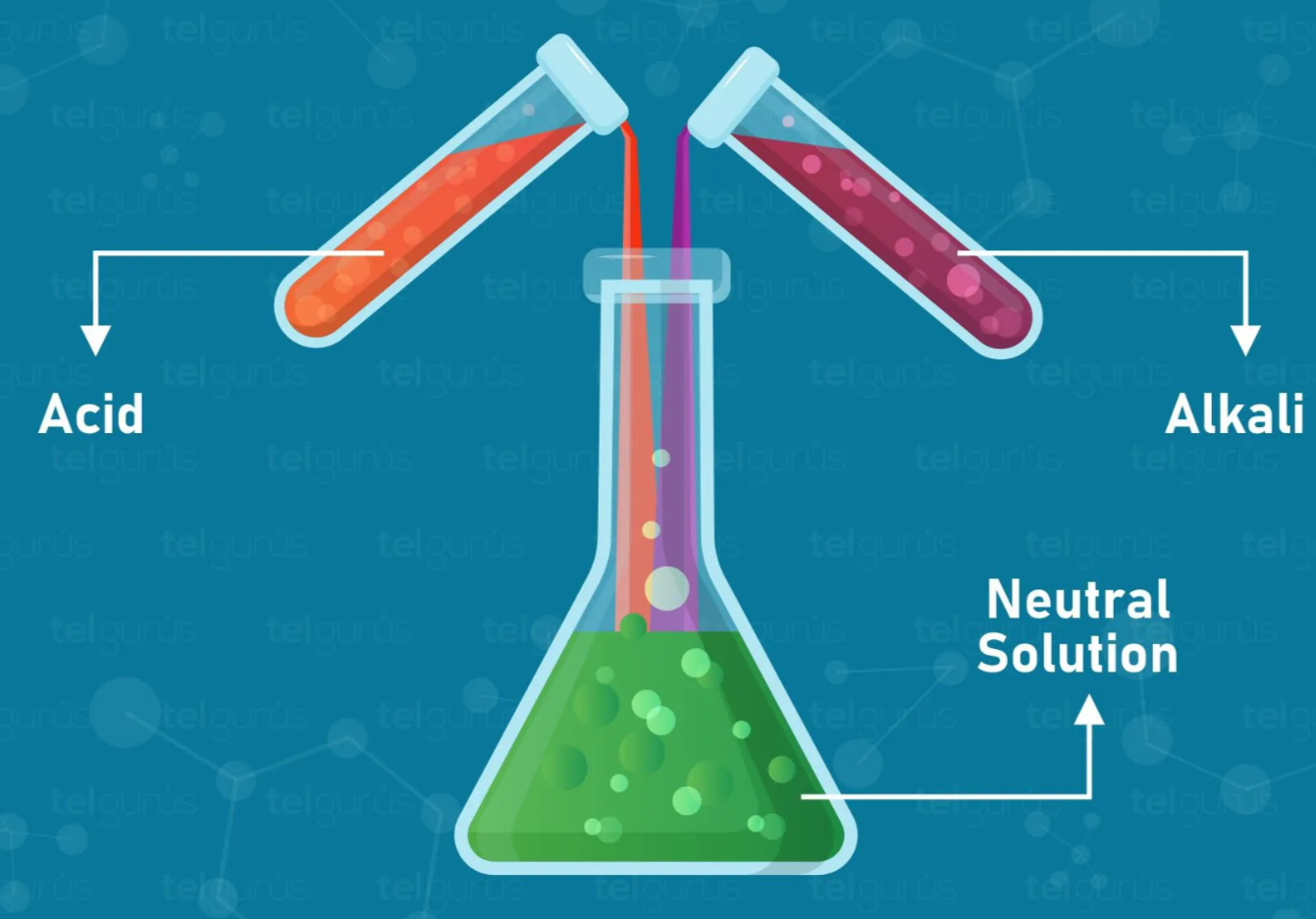
For example:
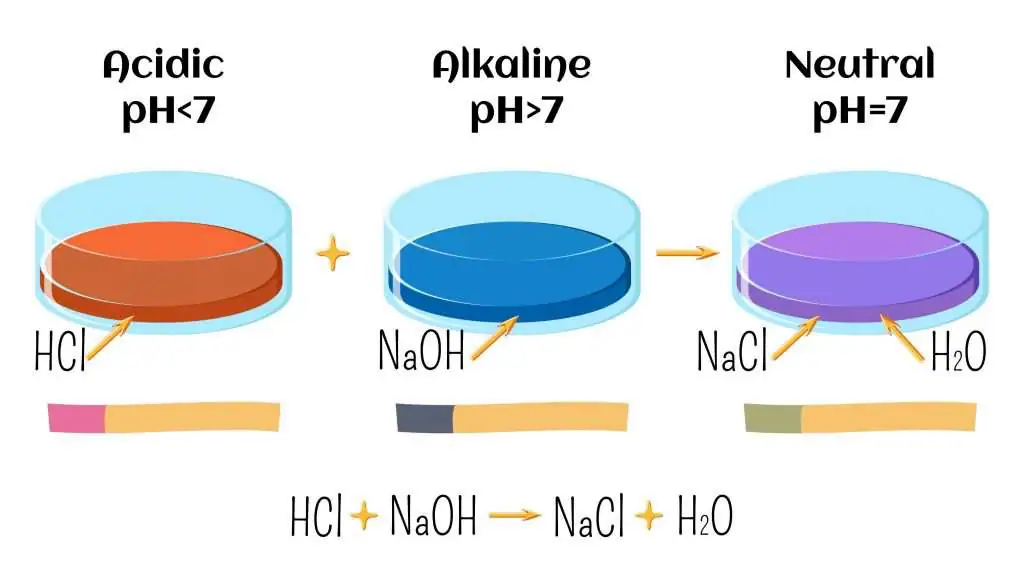
In Aqueous Solutions:
-
Acids in water:
-
Alkalis in water: When an acid neutralises a base:
-
H⁺ ions from the acid combine with OH⁻ ions from the base to form water (H₂O). | Indicator | Acidic (pH < 7) | Neutral (pH = 7) | Alkaline (pH > 7) | |---|---|---|---| | Litmus | Red | Purple | Blue | | Methyl Orange | Red | Yellow | Yellow | | Phenolphthalein | Colourless | Colourless | Pink |